Have You Checked Your Pet’s Food Temperature?


 288 Comments


As pet owners, we often focus on the type of food, portion size, and feeding schedule—but have you ever considered the temperature of your pet’s food? Serving meals at the optimal temperature can make a big difference in palatability, digestion, and overall health. In this guide, we’ll explore why monitoring food temperature matters for dogs and cats, what temperatures are ideal, and how easy it is to ensure accuracy with reliable tools like instant-read and infrared thermometers.

Why Pet Food Temperature Matters
Just like humans, pets’ digestive systems respond to food temperature. Food that’s too hot can burn delicate mouths and esophagi, while food that’s too cold may be hard to digest, slow feeding, and reduce nutrient absorption. For puppies, kittens, and senior animals, extreme temperatures can even affect appetite and overall health.
Maintaining the right temperature improves comfort and encourages proper eating habits. In fact, veterinary nutrition research suggests that food at near-room or slightly warm temperatures is most palatable for most pets, which can lead to better hydration, nutrient intake, and digestive efficiency.
Dog vs. Cat Food Temperature
Dogs and cats have slightly different preferences due to natural feeding behaviors and physiology:
- Dogs: Prefer food slightly above room temperature (~25–30°C / 77–86°F). Wet foods or homemade meals are best served slightly warmed, which increases palatability and supports digestion. Cold kibble is generally fine but may be less enticing for picky eaters.
- Cats: More sensitive to temperature than dogs. They usually prefer food closer to body temperature (~38–39°C / 100–102°F), especially wet food. This mimics prey temperatures in the wild, enhancing flavor perception and encouraging natural feeding behavior.
The Science Behind Food Temperature
Temperature affects the taste, smell, and digestibility of pet food. Warmer foods release aromatic compounds more effectively, increasing the pet’s appetite. Cold food can suppress olfactory cues, making meals less appealing. Research in animal feeding behavior indicates that offering food at the right temperature can increase food intake by 10–15% in sensitive pets.
Digestive efficiency is also influenced by temperature. Foods too cold may slow gastric emptying, while overly hot foods can irritate the mucosa. By maintaining appropriate temperatures, owners can support smoother digestion and nutrient absorption.
Tools to Check Pet Food Temperature
Using a thermometer ensures precise temperature control. Here are some practical options:
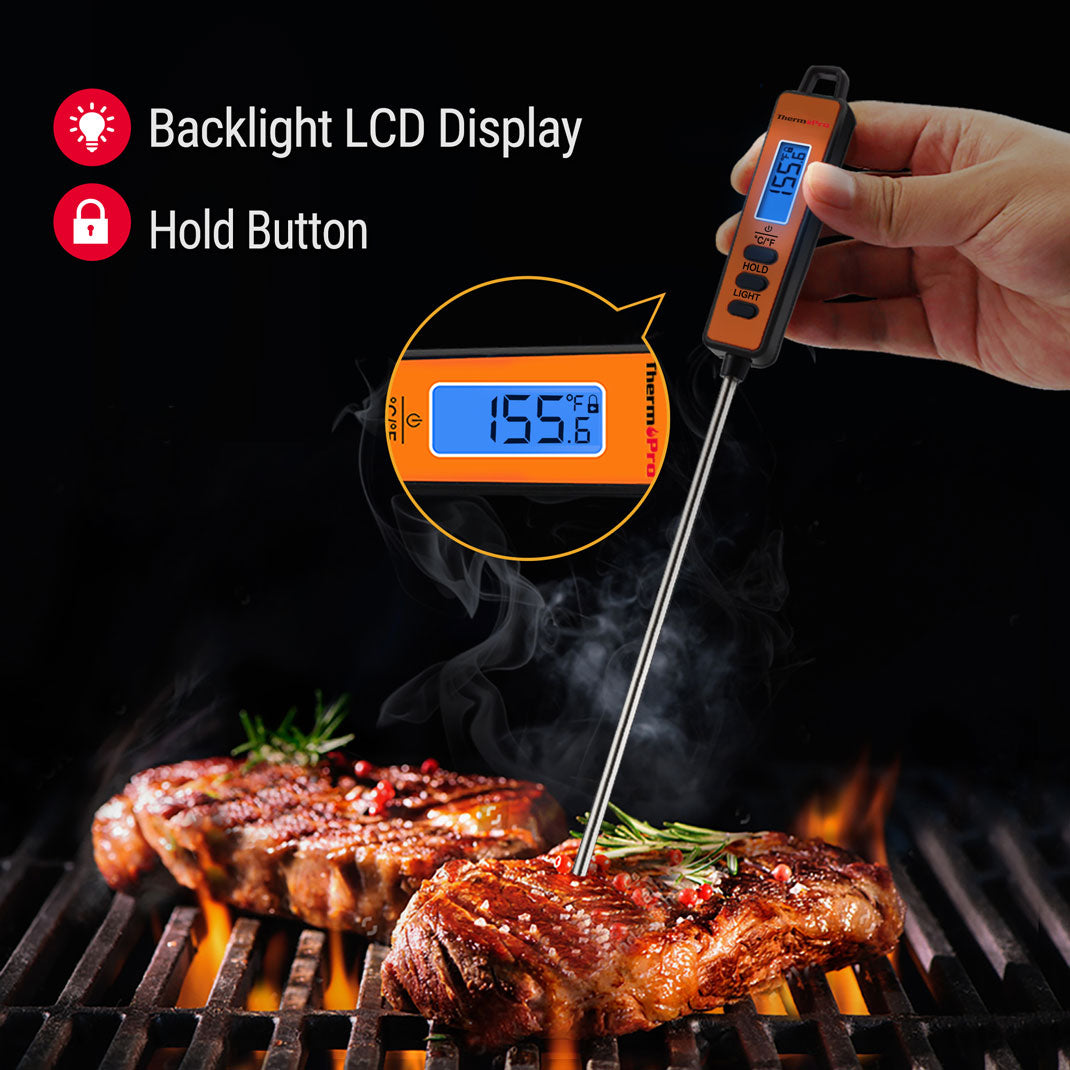
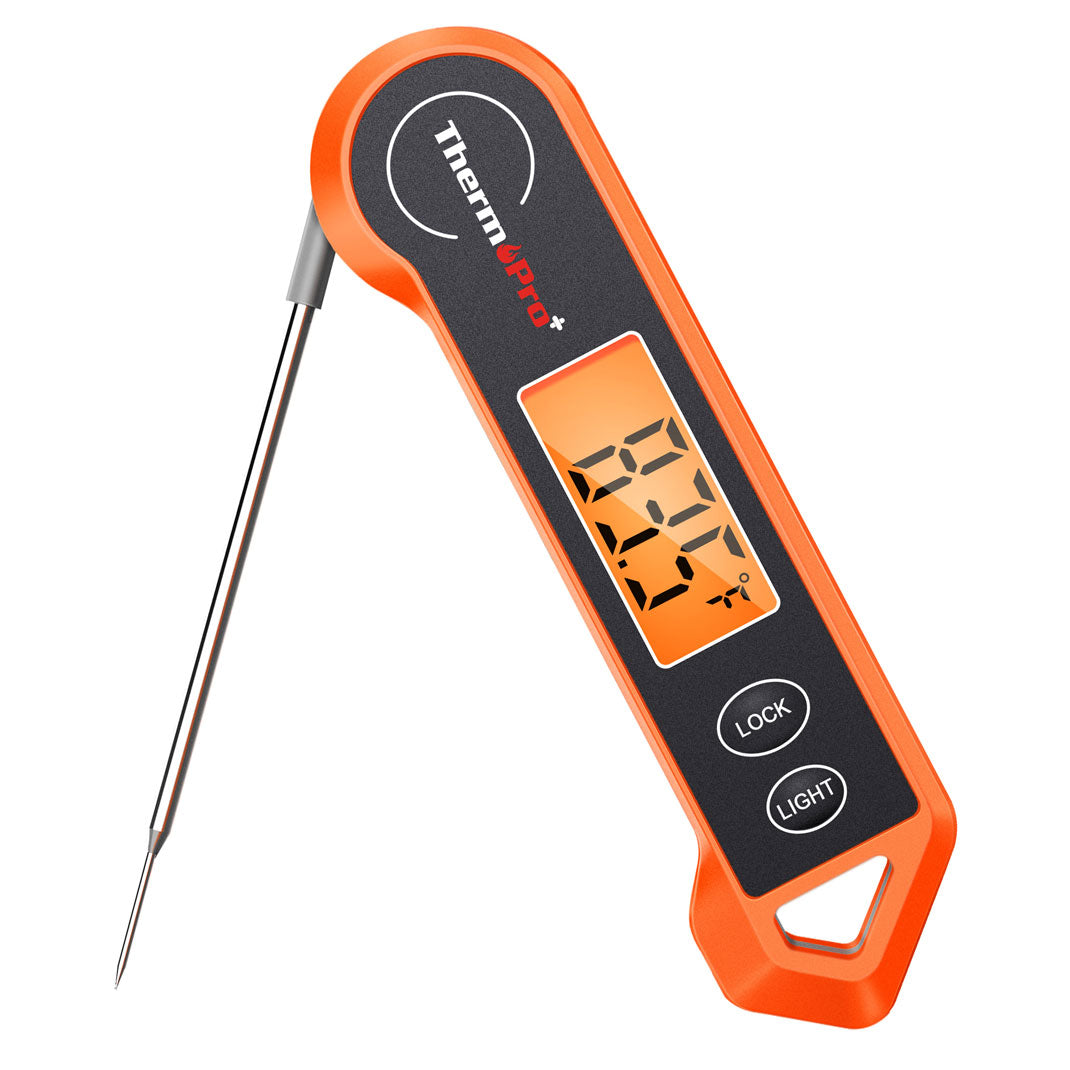
- TP19H Instant-Read Thermometer: Affordable (~$20), quick, and precise for checking the internal temperature of wet or cooked pet food.
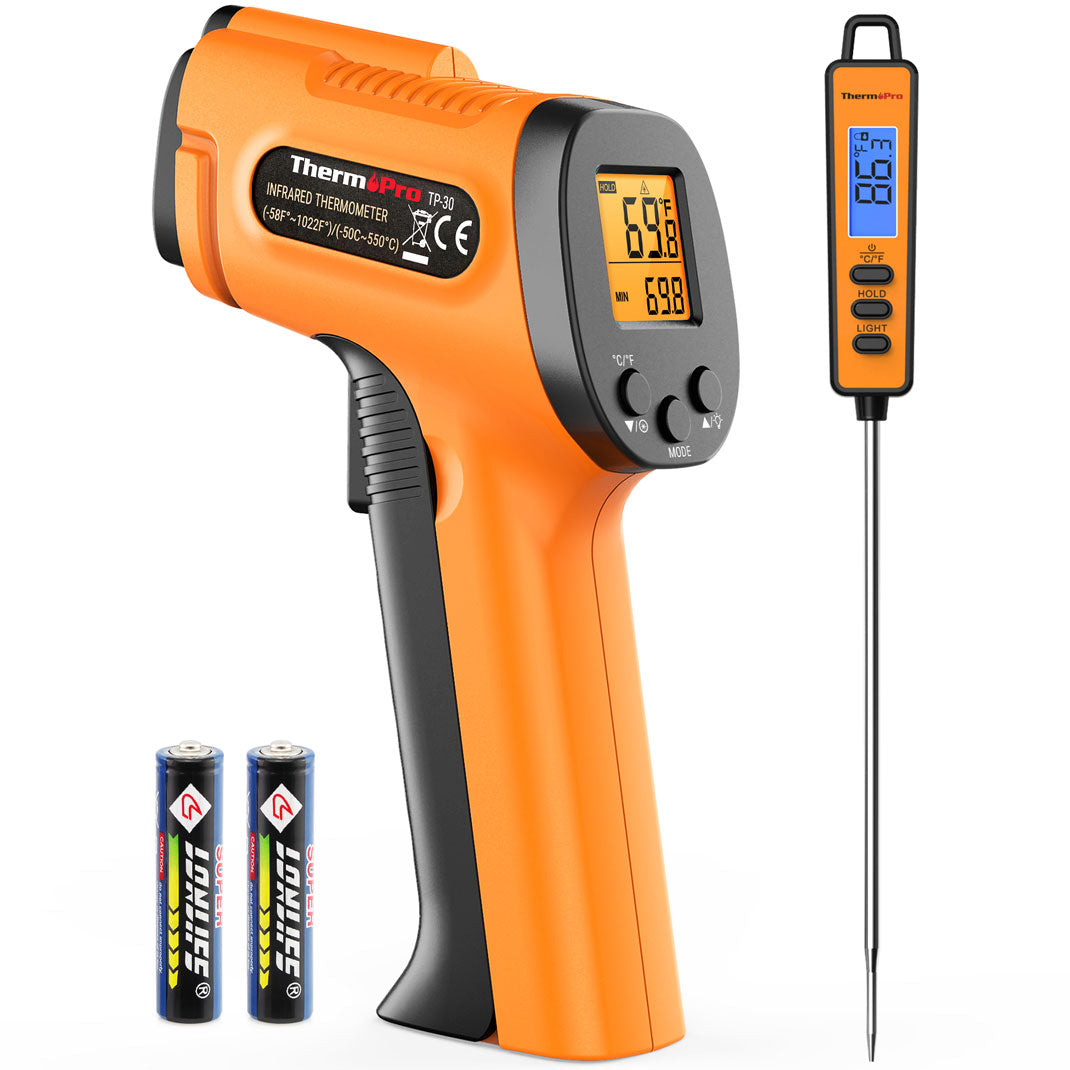
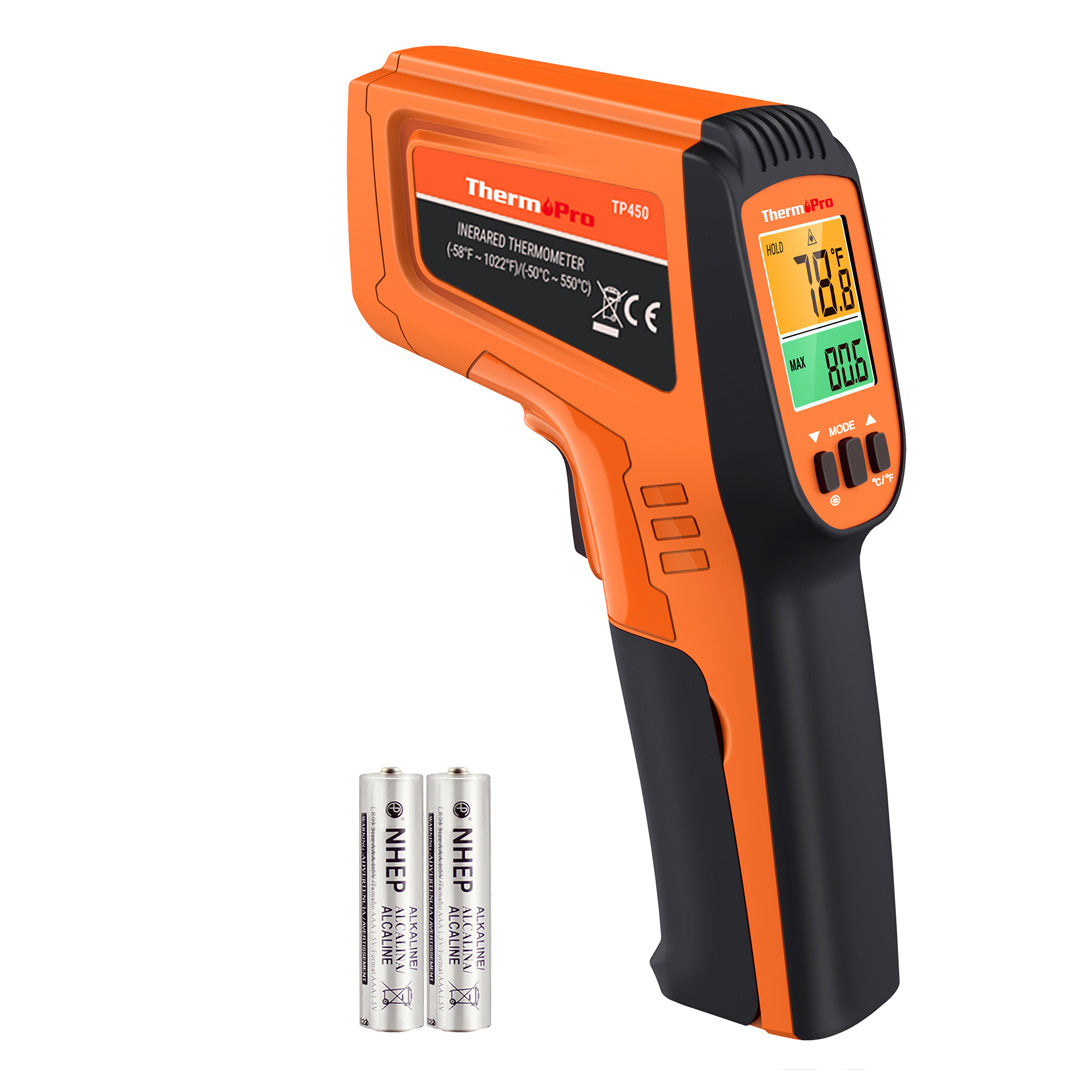
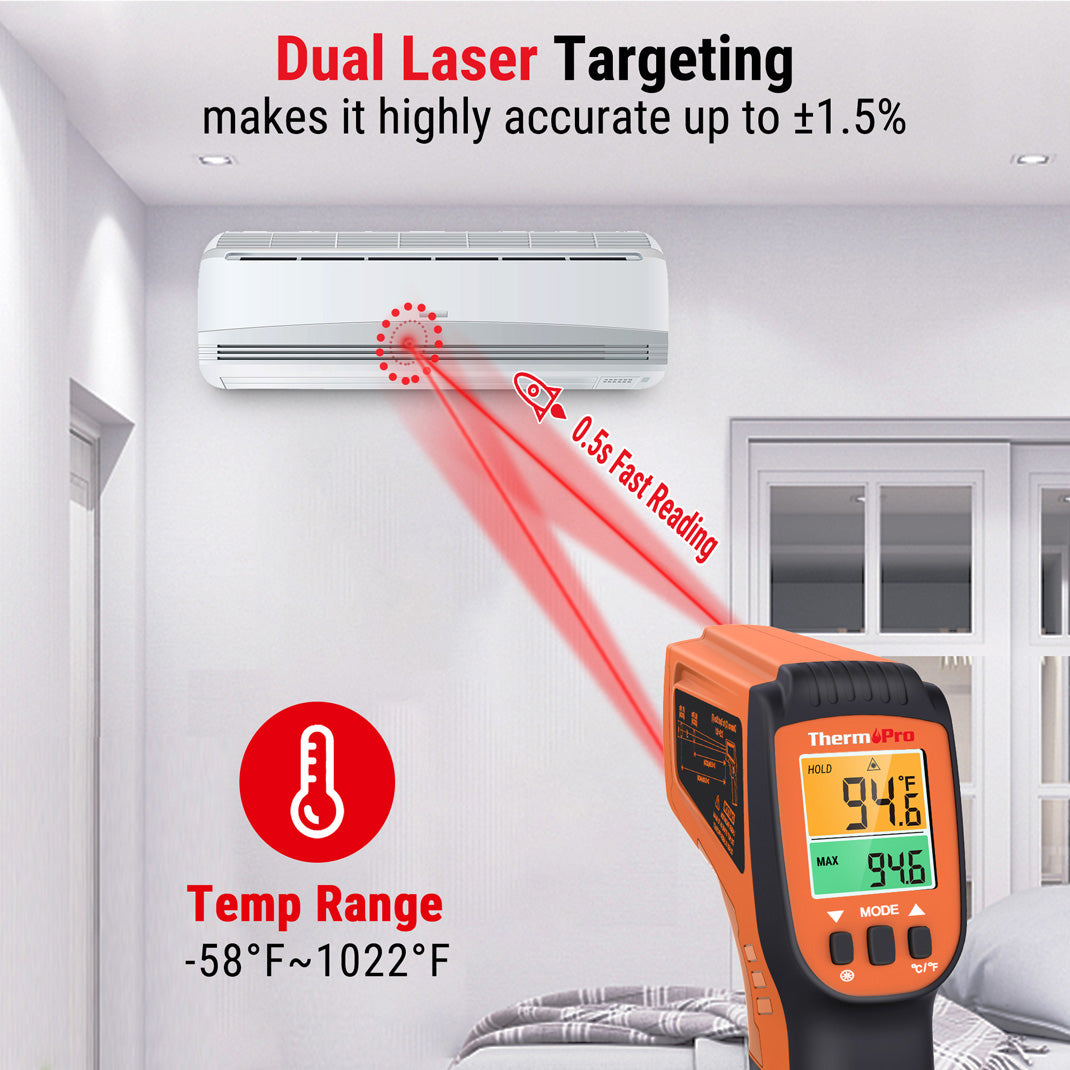
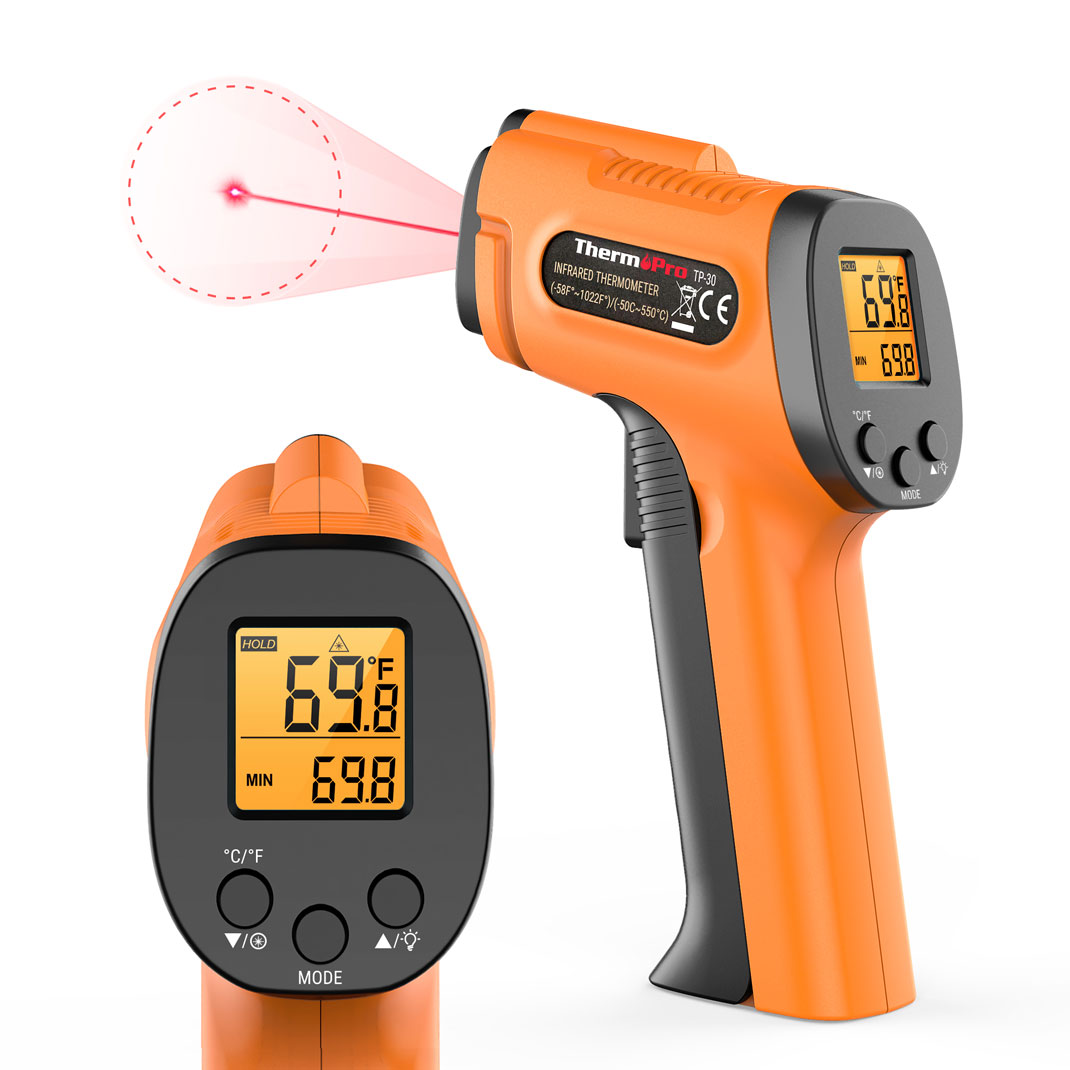
- TP30 Infrared Thermometer: Contact-free, ideal for surface temperature measurement. Perfect for food, but also versatile for checking household surfaces like AC vents, car engines, or water bowls.

For everyday pet feeding, the TP19H is excellent for checking internal temperatures, especially for wet food or homemade meals, while the TP30 is perfect for quick surface checks or contactless measurement.
Tips for Safe Feeding
- Stir food thoroughly to eliminate hot spots in microwaved meals.
- Check food temperature before serving to prevent burns or discomfort.
- Adjust temperature gradually for sensitive pets, such as puppies, kittens, or senior pets.
- Use slightly warmer food for pets recovering from illness or those with reduced appetite.
- Store prepared food safely and avoid prolonged exposure to heat to prevent bacterial growth.
Conclusion
Monitoring your pet’s food temperature ensures safety, comfort, and optimal digestion. Affordable thermometers like the TP19H and TP30 make temperature checks easy, fast, and reliable. By incorporating temperature monitoring into your pet feeding routine, you can improve their mealtime experience, digestion, and overall wellbeing.
Remember: proper temperature makes food safer, more appetizing, and supports healthy digestion—an easy habit that benefits both you and your furry companions.

Comments



Recommended product