Optimize Your Sleep with Temperature Control: Bathing, Room, and Bedding Tips


 288 Comments


Sleep is essential for physical health, cognitive function, and emotional well-being. Yet, many people struggle to get restorative sleep despite having a comfortable mattress or a quiet environment. One often overlooked factor is temperature—both of your body and your sleep environment. Scientific studies show that body temperature influences the different stages of sleep, total sleep duration, and sleep quality. Optimizing temperature can help you fall asleep faster, stay asleep longer, and wake up refreshed.

How Body Temperature Affects Sleep
Your body follows a circadian rhythm, an internal clock that regulates sleep-wake cycles. A core part of this rhythm is the body’s core temperature, which naturally drops in the evening to prepare for sleep and rises in the morning to signal wakefulness. Research indicates that a decrease of just 1–2°F (0.5–1°C) in core body temperature can help trigger sleepiness and improve sleep onset latency.
Conversely, if your body remains too warm at bedtime, it can disrupt slow-wave sleep (deep sleep) and REM sleep, leading to lighter, less restorative sleep. A study published in Frontiers in Neuroscience found that people sleeping in cooler environments had longer periods of deep sleep, faster sleep onset, and fewer awakenings.
The Science Behind Sleep Stages and Temperature
Sleep consists of multiple stages:
- Stage 1 (Light Sleep): Transition between wakefulness and sleep. Slight temperature drops help the body relax.
- Stage 2 (Intermediate Sleep): Body temperature continues to fall; heart rate slows. Maintaining a cooler room around 65–70°F (18–21°C) supports this stage.
- Stage 3 (Deep Sleep): Core body temperature is at its lowest. This stage is critical for physical restoration, hormone release, and memory consolidation. Even a 1–2°F deviation can reduce deep sleep duration.
- REM Sleep: Temperature regulation is less effective during REM, so extreme room temperatures can cause awakenings.
Monitoring and controlling both body and ambient temperatures can help you spend more time in deep sleep and REM stages, improving overall sleep quality.
Optimal Room and Bedding Temperature
Experts recommend a room temperature between 60–68°F (16–20°C) for most adults. Bedding materials also play a role: natural fibers like cotton, linen, or wool regulate moisture and temperature better than synthetic options.
Tips for controlling room and bedding temperature:
- Use fans, air conditioning, or heaters to maintain an even ambient temperature.
- Choose moisture-wicking sheets to prevent overheating.
- Layer blankets instead of using one thick blanket for better control.
Pre-Sleep Routines to Regulate Body Temperature
Certain activities can help your body reach its ideal pre-sleep temperature:
- Warm Bath or Shower: Taking a hot shower or bath 60–90 minutes before bed can help your body cool down afterward. Optimal water temperature: 100–104°F (37–40°C).
- Hot Tub or Sauna: Short hot tub sessions raise your core temperature, which then drops after exiting. Ideal duration: 10–15 minutes; water temperature: 100–104°F (37–40°C).
- Swimming: A brief swim in warm water can have a similar effect. Avoid cold water immediately before sleep.
- Bedtime Drinks: Avoid hot caffeinated beverages; consider warm herbal teas for a relaxing effect.
Tools for Monitoring Temperature
To achieve precise temperature control, you can use thermometers to monitor both room and water temperatures:
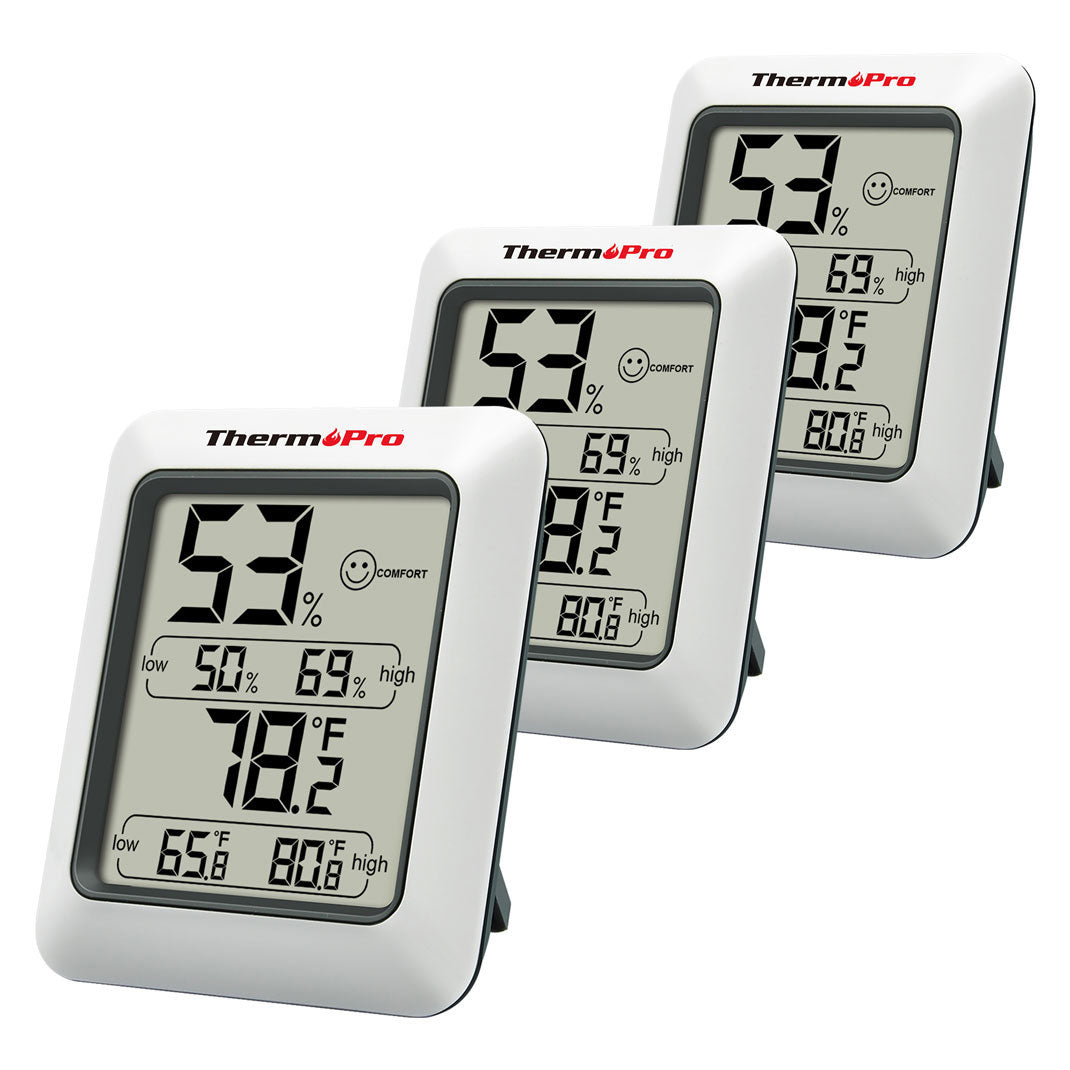
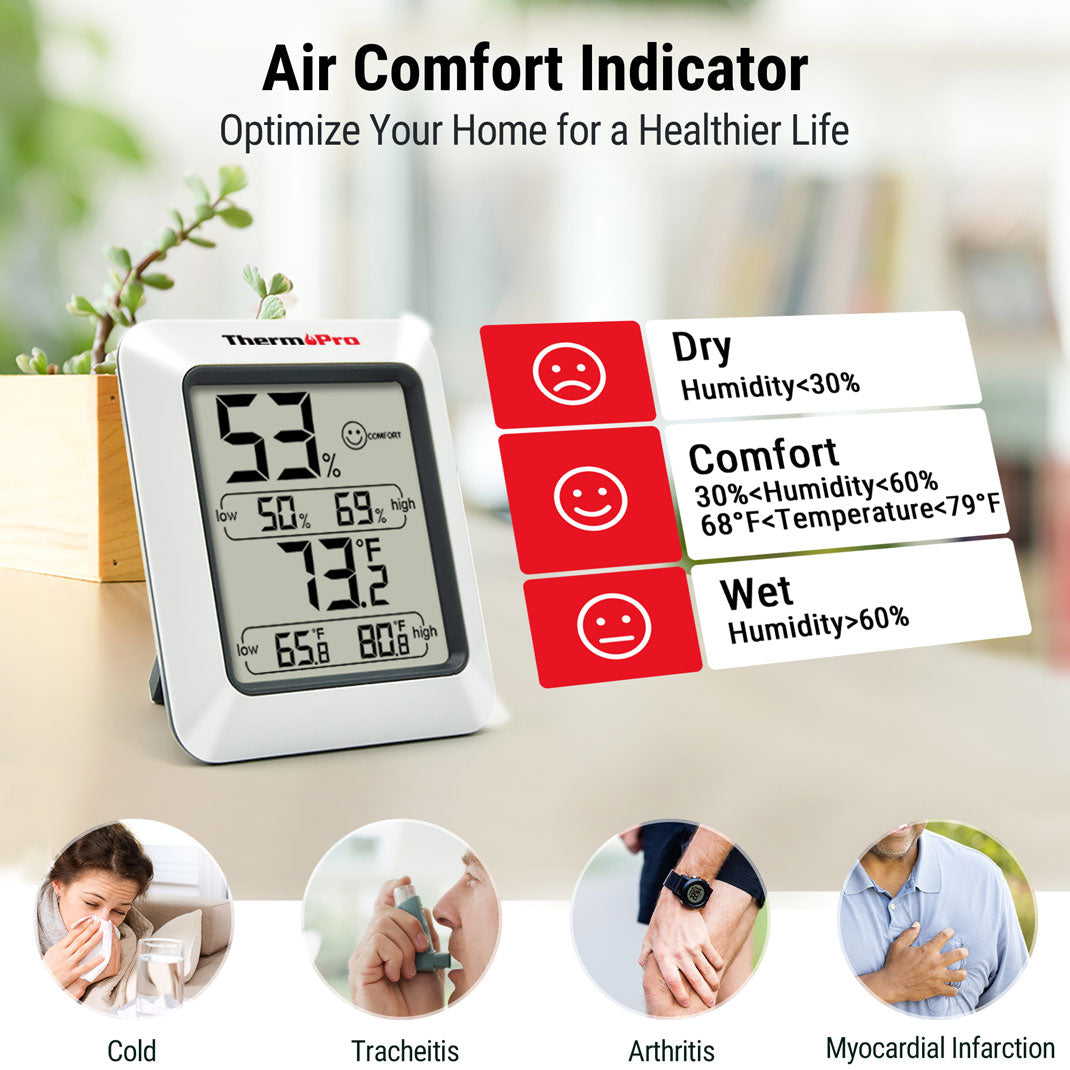
- Room thermometers track bedroom conditions and help adjust heating or cooling.
- Pool or bath thermometers ensure your pre-sleep bath or hot tub is at the optimal temperature.
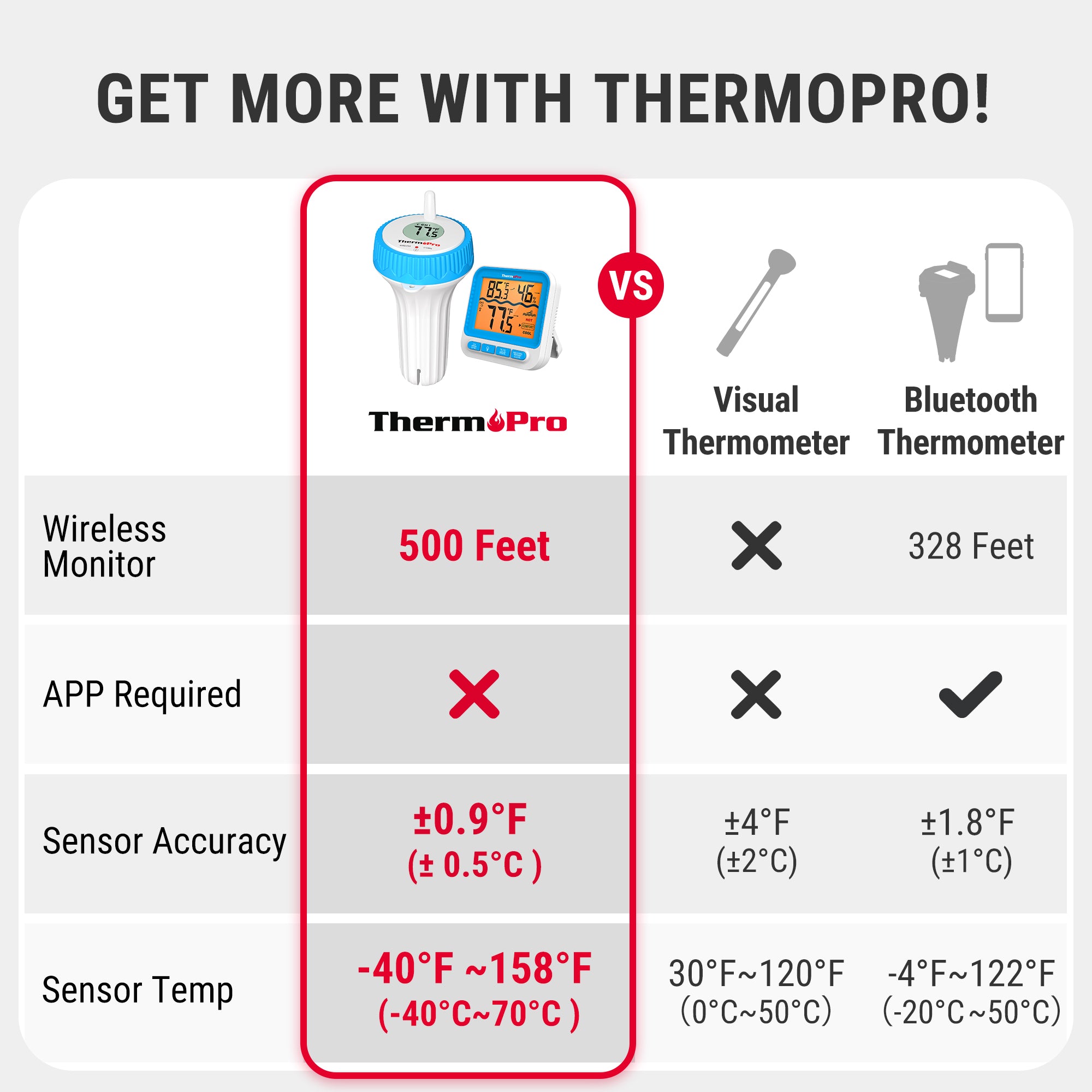
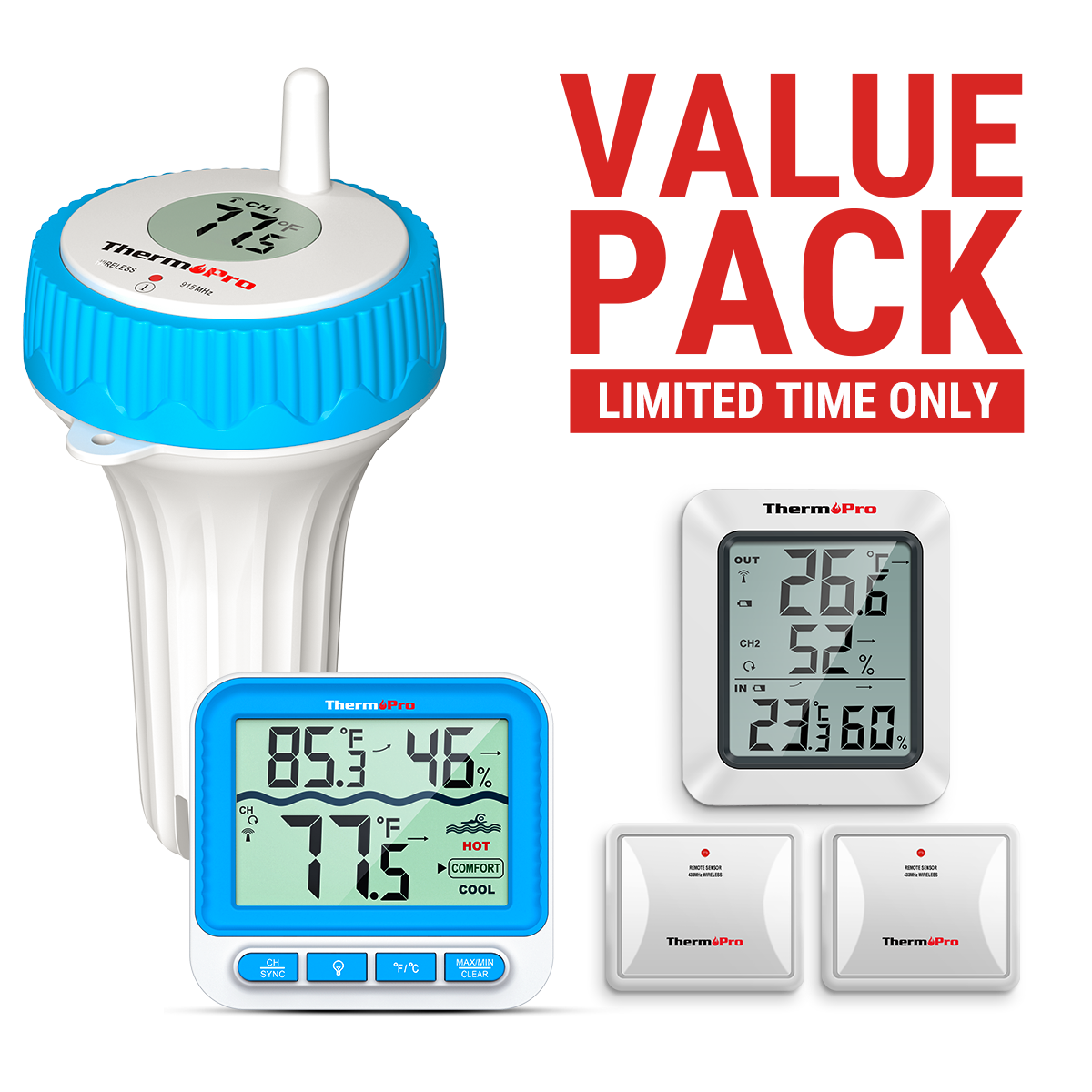
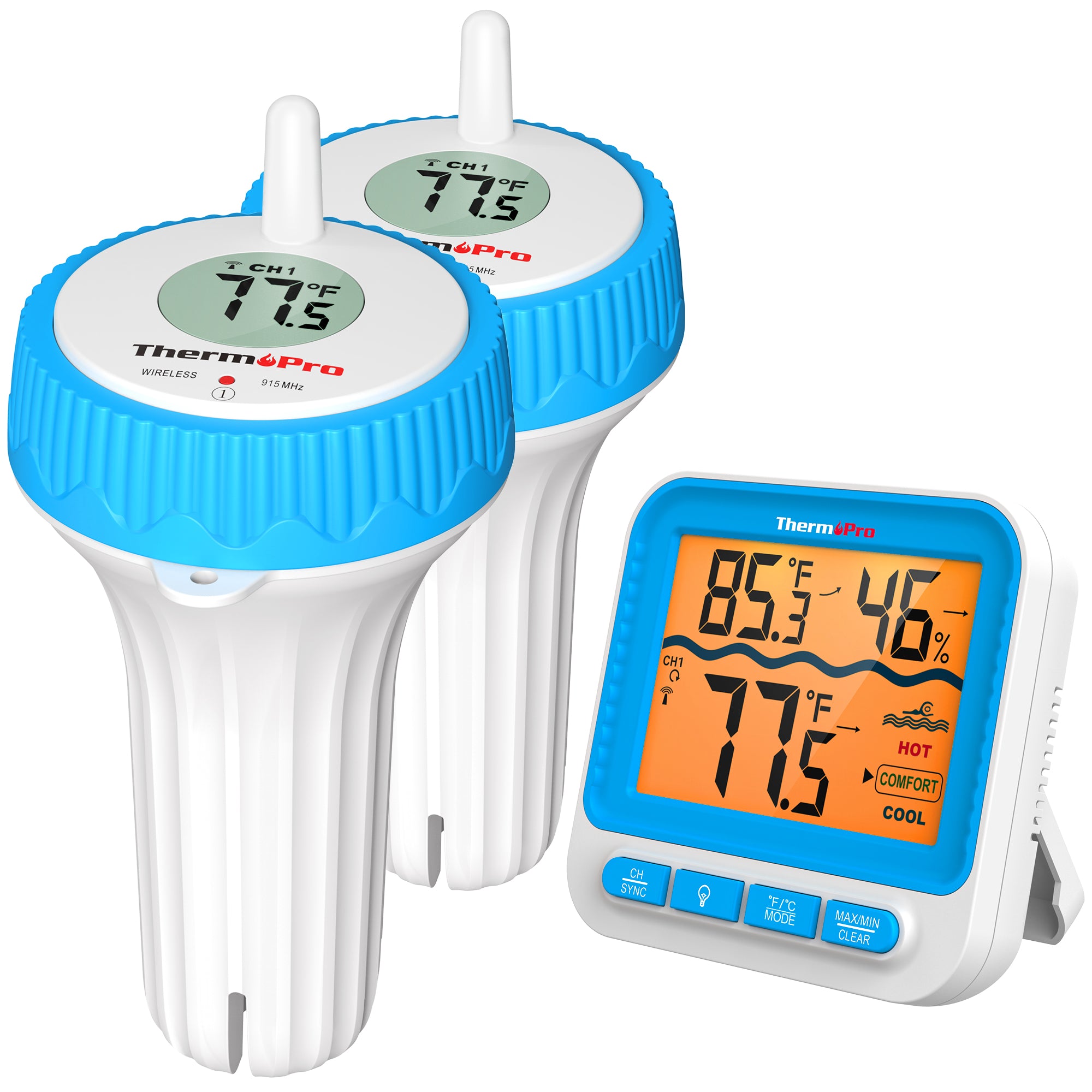
For example, the ThermoPro TP211B Wireless Pool Thermometer allows you to monitor up to three sensors at once, switch between channels, and maintain a 500-ft monitoring range. This ensures your bath, hot tub, or small indoor pool is always at the ideal temperature for relaxing before sleep.

Conclusion
Temperature plays a critical role in both falling asleep and maintaining high-quality sleep throughout the night. By understanding how body temperature interacts with sleep stages and adopting strategies like warm baths, bedding management, and precise monitoring, you can significantly improve sleep quality.
Using tools such as the ThermoPro TP211B Wireless Pool Thermometer provides real-time feedback and makes it easier to maintain your optimal sleep environment. Investing a little time in temperature control can lead to long-term benefits for mood, energy, and overall health.

Comments


Recommended product