Ha llegado la temporada de sopas: ¿estás recalentando las sobras de sopa de forma segura?


 288 Comments


Hay algo mágico en el otoño y el invierno que convierte a la sopa en la estrella de la temporada. Ya sea un suave puré de calabaza, un sustancioso estofado de carne o el clásico pollo con fideos, las sopas y los guisos son sinónimo de bienestar. Son económicos, versátiles y, lo mejor de todo, perfectos para las sobras. Una sola olla hirviendo un domingo por la tarde puede mantenerte saciado durante días, ahorrándote tiempo y dinero sin dejar de sentirte como en casa.
Pero aquí está la otra cara de la moneda: las sobras no son solo una comodidad. Si no se manipulan correctamente, pueden convertirse rápidamente en una pesadilla para la seguridad alimentaria. La sopa es un caldo de cultivo perfecto para las bacterias si se enfría o recalienta incorrectamente. Y aunque la mayoría de nosotros confiamos en las señales visuales, el vapor que sube y las burbujas que rompen la superficie, eso no es suficiente para garantizar la seguridad.
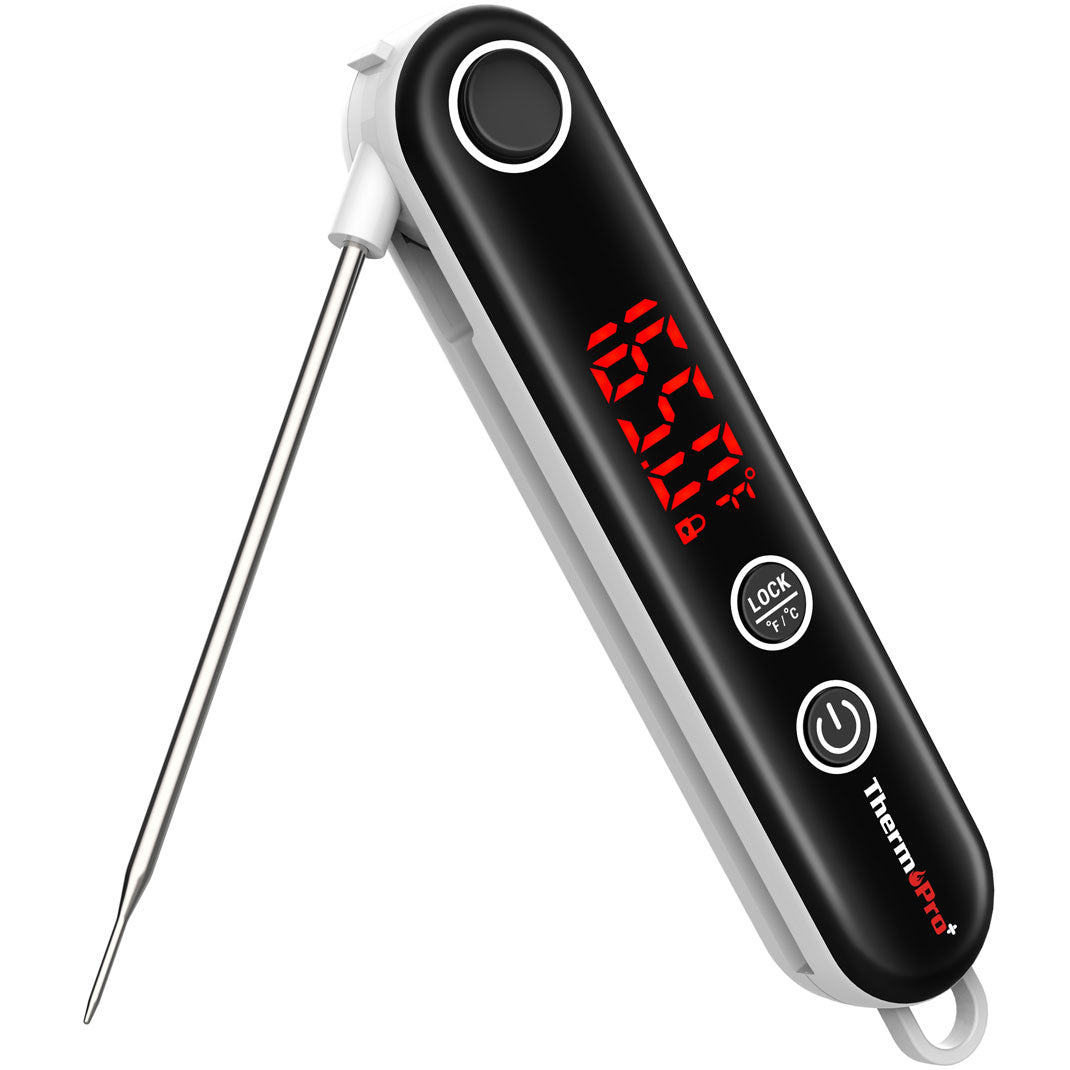
Entonces, antes de recalentar su próximo plato, analicemos lo que dicen los expertos en seguridad alimentaria sobre cómo mantener la sopa segura, los errores más comunes y cómo una herramienta tan simple como el termómetro para carne de lectura instantánea ThermoPro Lightning puede proteger su salud y su apetito.
Por qué las sobras merecen más respeto
Según los CDC, las enfermedades transmitidas por alimentos afectan a 48 millones de estadounidenses cada año, es decir, a una de cada seis personas. Si bien muchos casos son leves, la intoxicación alimentaria puede provocar 128,000 hospitalizaciones y 3,000 muertes al año. Y aquí está el problema: las sobras mal manejadas suelen ser la causa.
¿Por qué es tan arriesgada la sopa? Se trata de sus ingredientes y su estructura. Las sopas y los guisos suelen contener:
- Proteínas (carne, aves, mariscos o legumbres) : altamente perecederas.
- Verduras : liberan agua y azúcares que las bacterias adoran.
- Almidones como el arroz o la pasta , que pueden albergar bacterias si se enfrían lentamente.
Combine todo esto en una olla grande y obtendrá el ambiente perfecto para el crecimiento microbiano si no se siguen los pasos de seguridad alimentaria.
Para las personas con sistemas inmunitarios debilitados, como niños, personas mayores o cualquier persona bajo tratamiento médico, el riesgo es aún mayor. Por eso, las sobras no solo son cuestión de sabor o comodidad. Son una cuestión de salud.

Errores comunes que ponen en riesgo la sopa
Incluso los cocineros caseros experimentados caen en estas trampas:
- Dejar la sopa fuera toda la noche : Una olla de sopa olvidada en la estufa no se puede rescatar. Hervirla de nuevo no eliminará todas las toxinas. Si se dejó fuera, no es segura, y punto.
- Sobrellenar el refrigerador : Amontonar los recipientes impide una ventilación adecuada, lo que ralentiza el enfriamiento. Extiéndalos hasta que se enfríen.
- Enfriamiento en la olla : Las ollas grandes tardan mucho en enfriarse. Transfiera a recipientes poco profundos para acelerar el proceso.
- Prueba de olor : Las bacterias peligrosas no siempre alteran el sabor ni el olor. Para cuando la sopa huele mal, ya se acabó.
- Ignorar las fechas : Si no se etiquetan los contenedores, es fácil perder la cuenta. Tres días después se convierte en una semana y en una apuesta arriesgada.
Evitar estos errores es sencillo una vez que los conoces, pero hacen toda la diferencia.
ThermoPro TP620: Tu compañero para la temporada de sopas
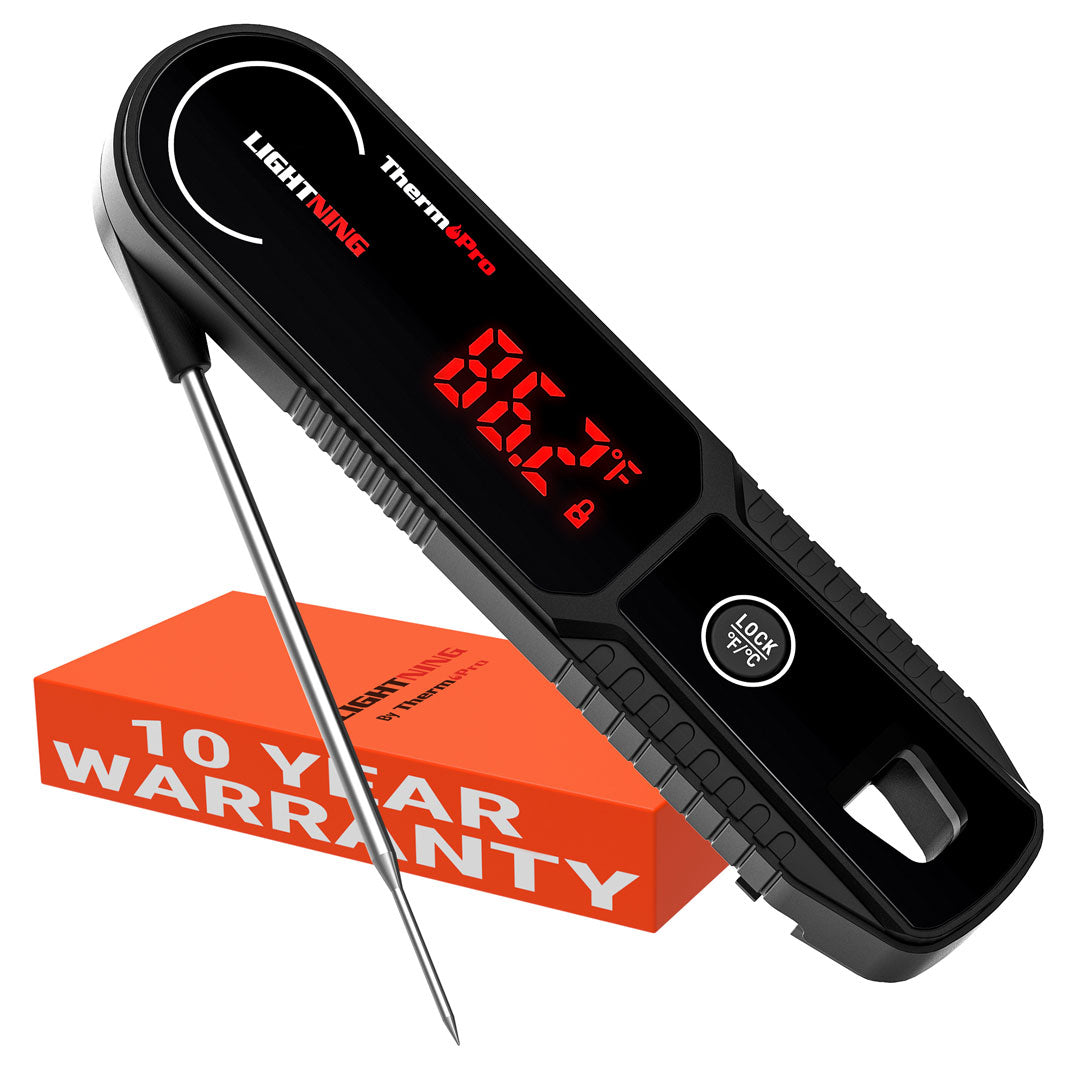
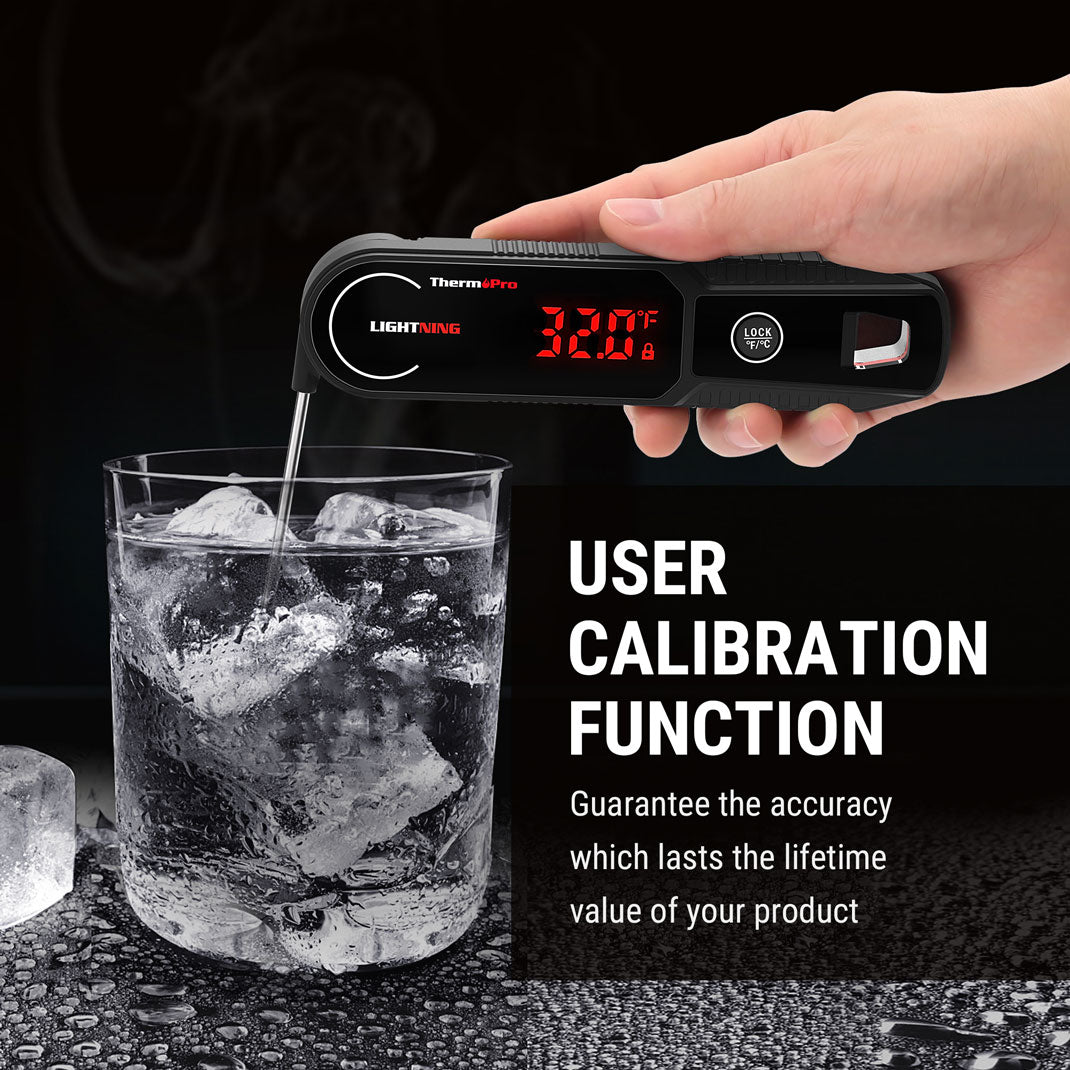
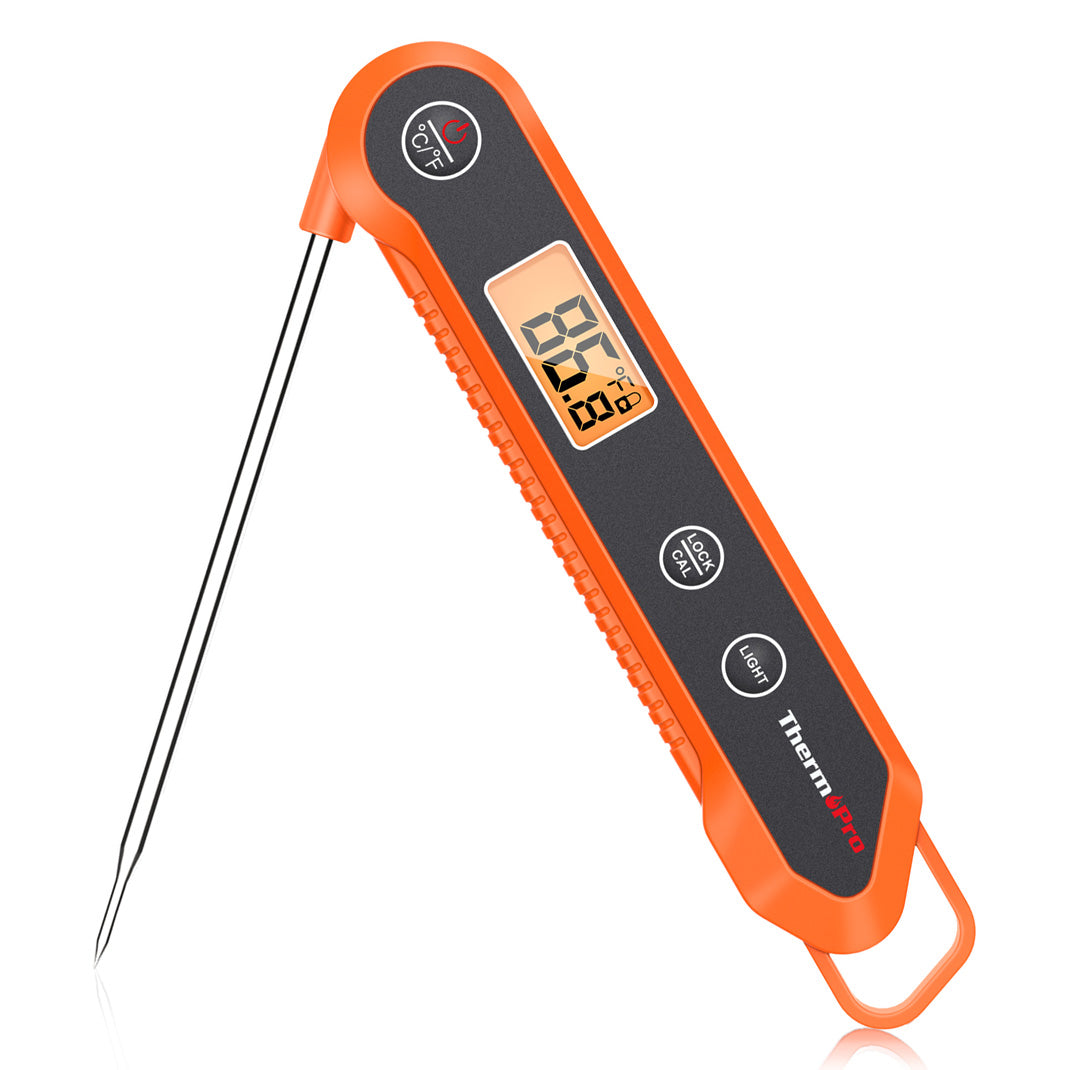
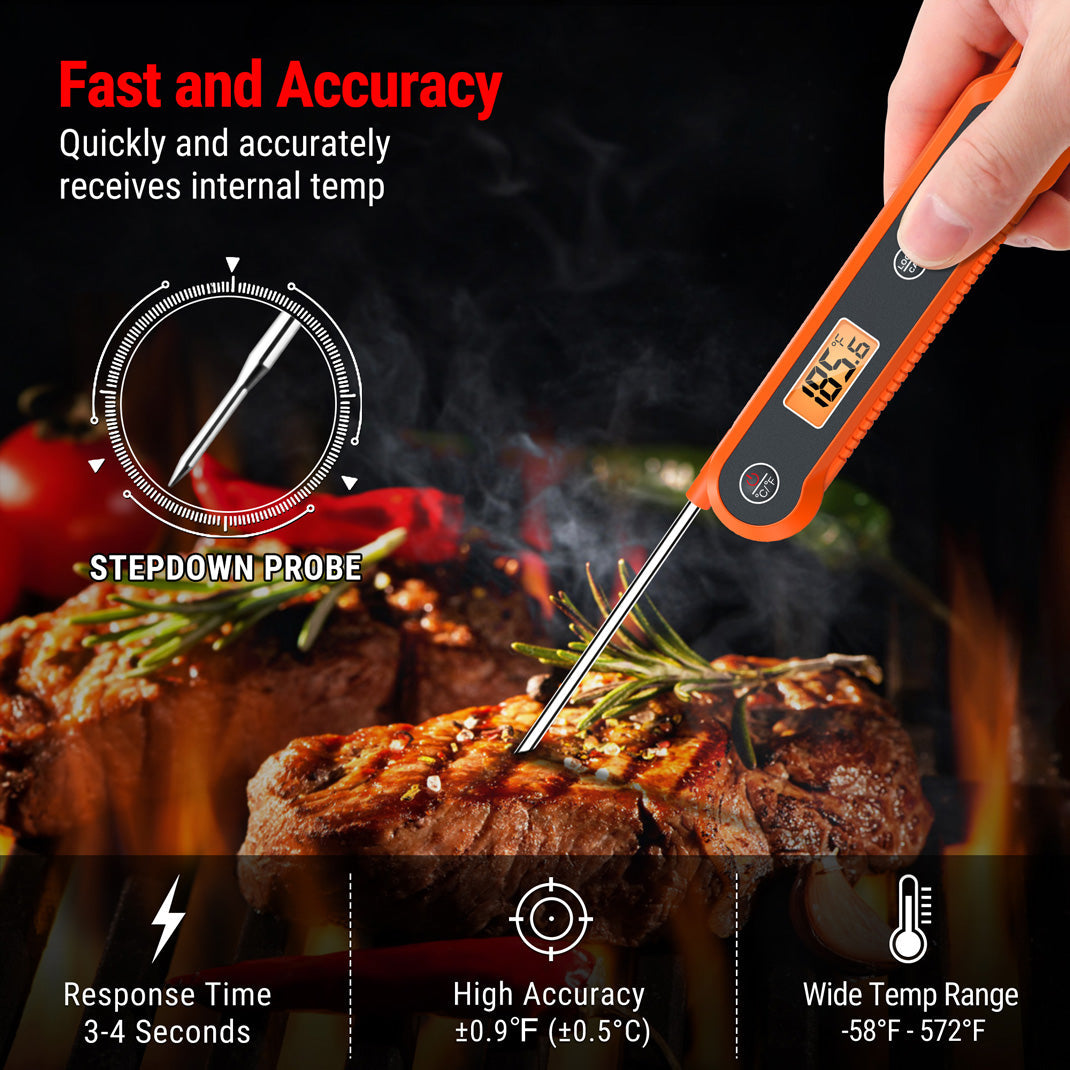
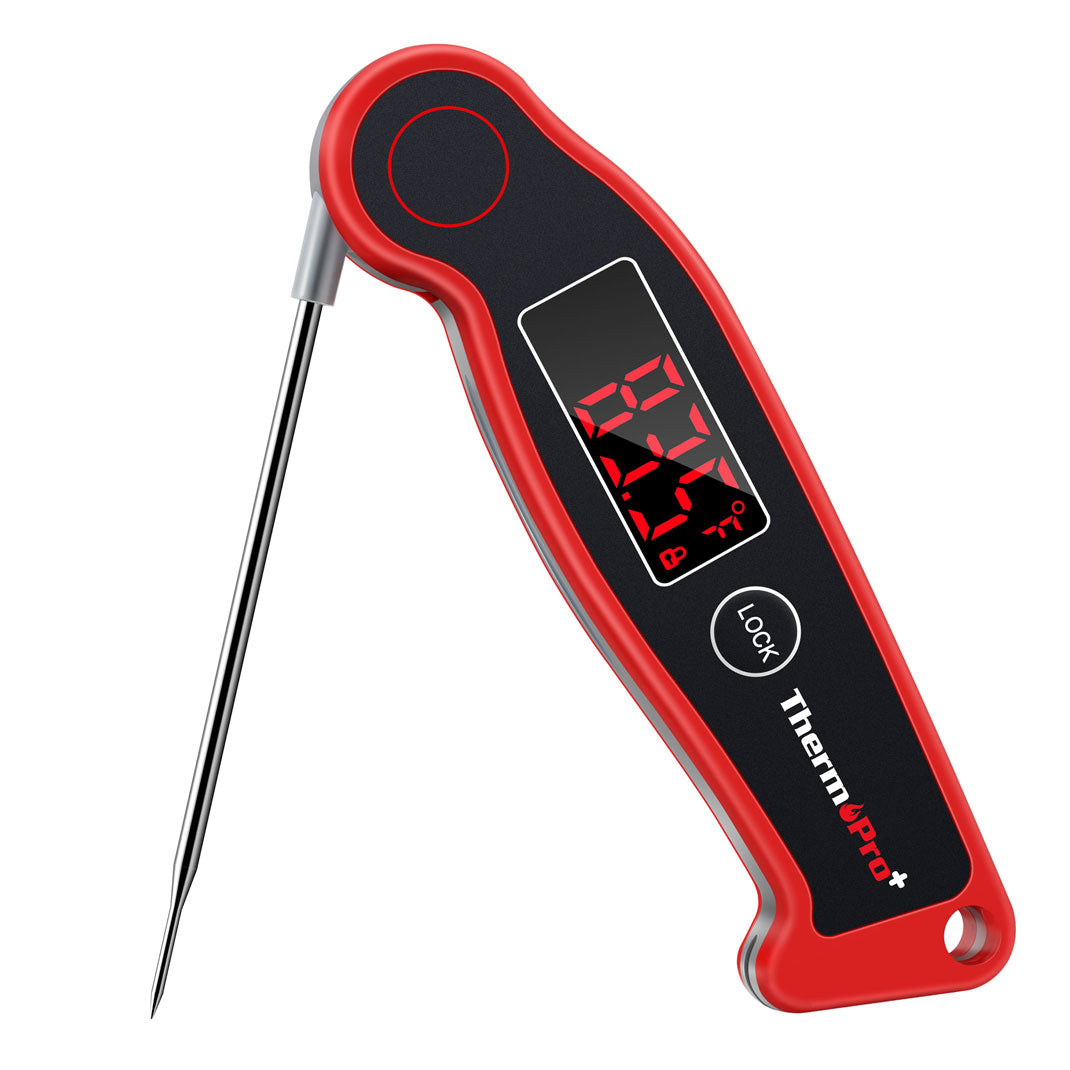
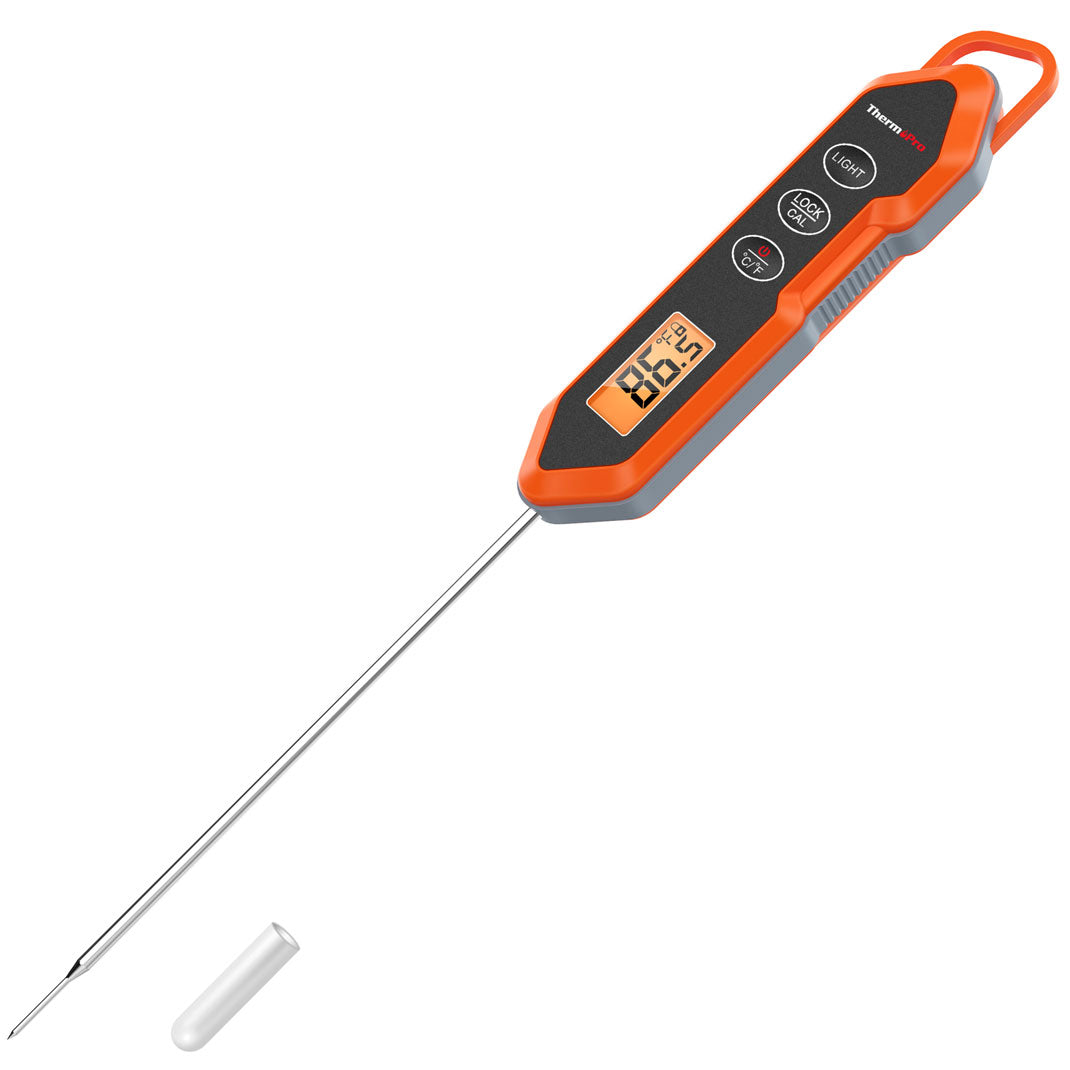
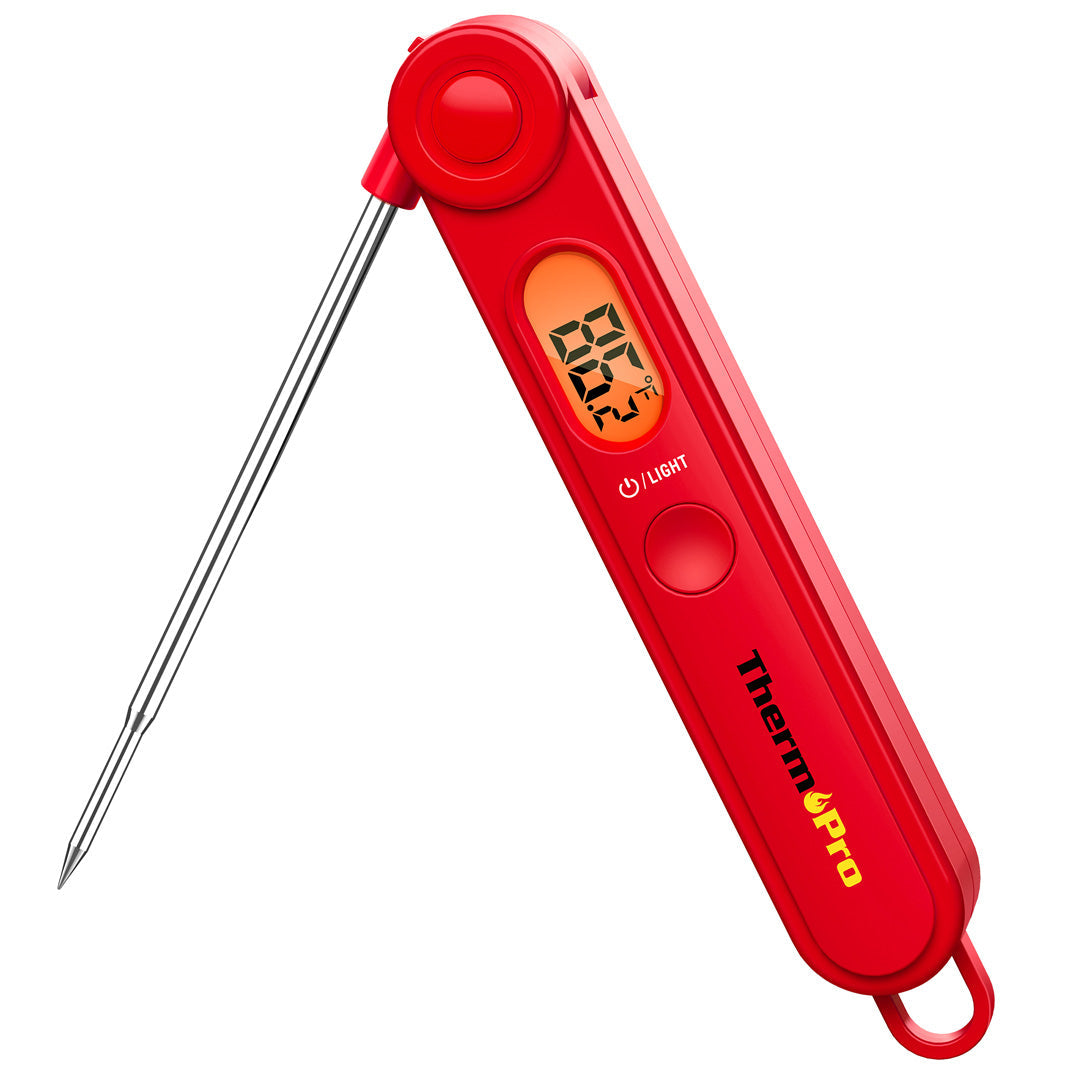
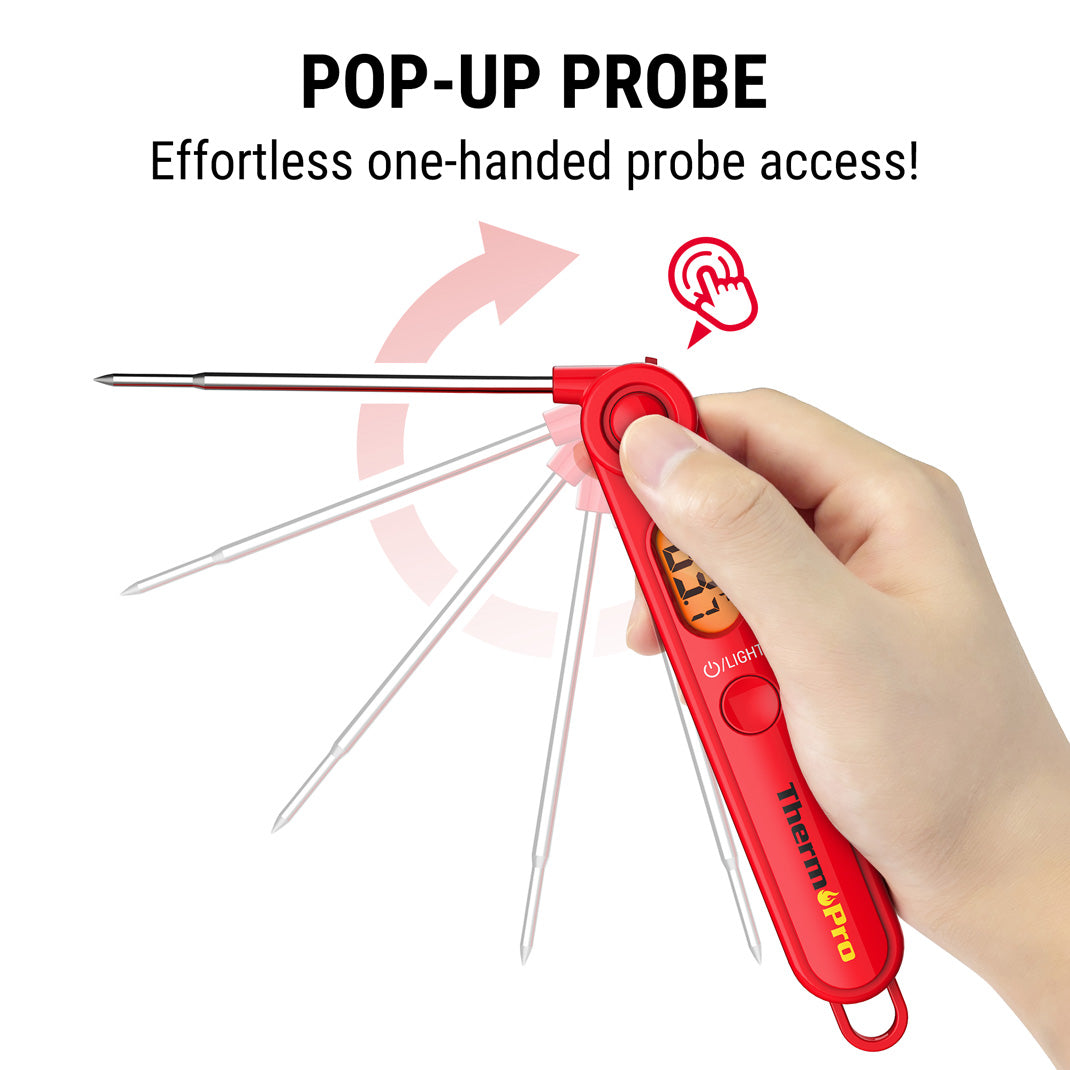
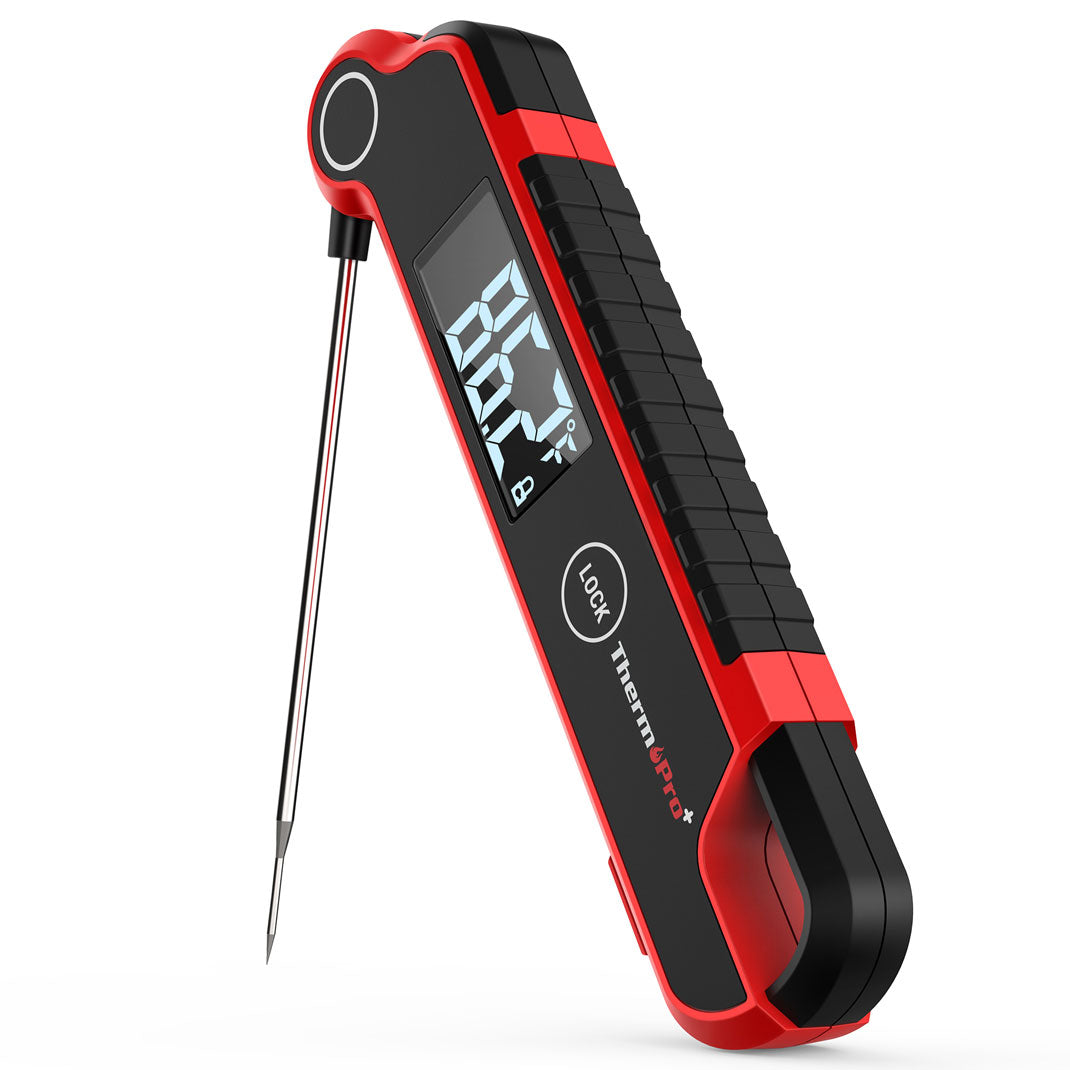
El termómetro para carne de lectura instantánea ThermoPro TP620 está diseñado para que sea infalible. En lugar de adivinar, puede revisar cualquier recipiente u olla en segundos.
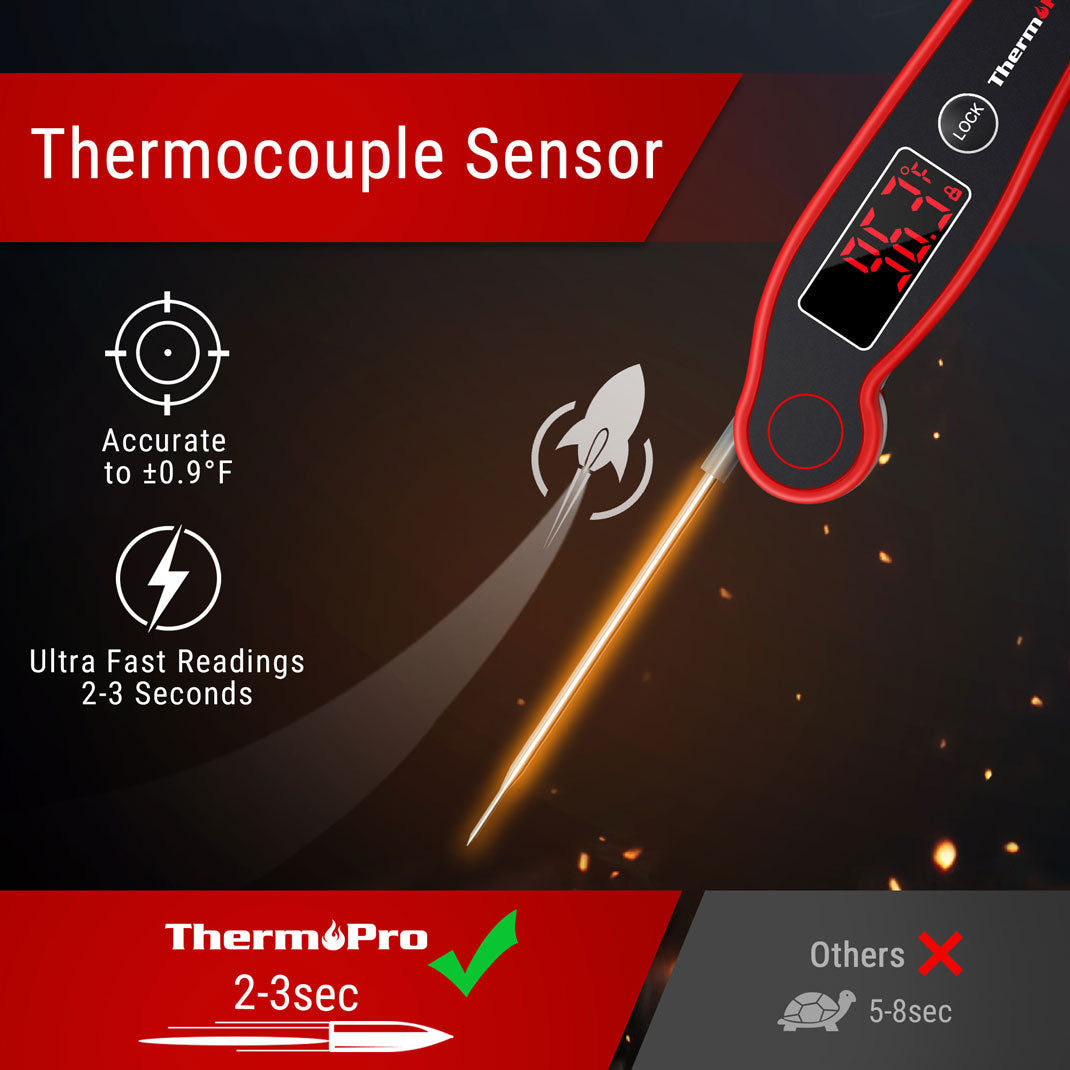
- Lecturas ultrarrápidas : temperaturas precisas en menos de segundos.
- Precisión milimétrica : garantiza que cada cucharada de sopa llegue a la zona segura.
- Pantalla de fácil lectura : una pantalla grande y clara significa que no tendrá que entrecerrar los ojos cuando esté ocupado revolviendo.
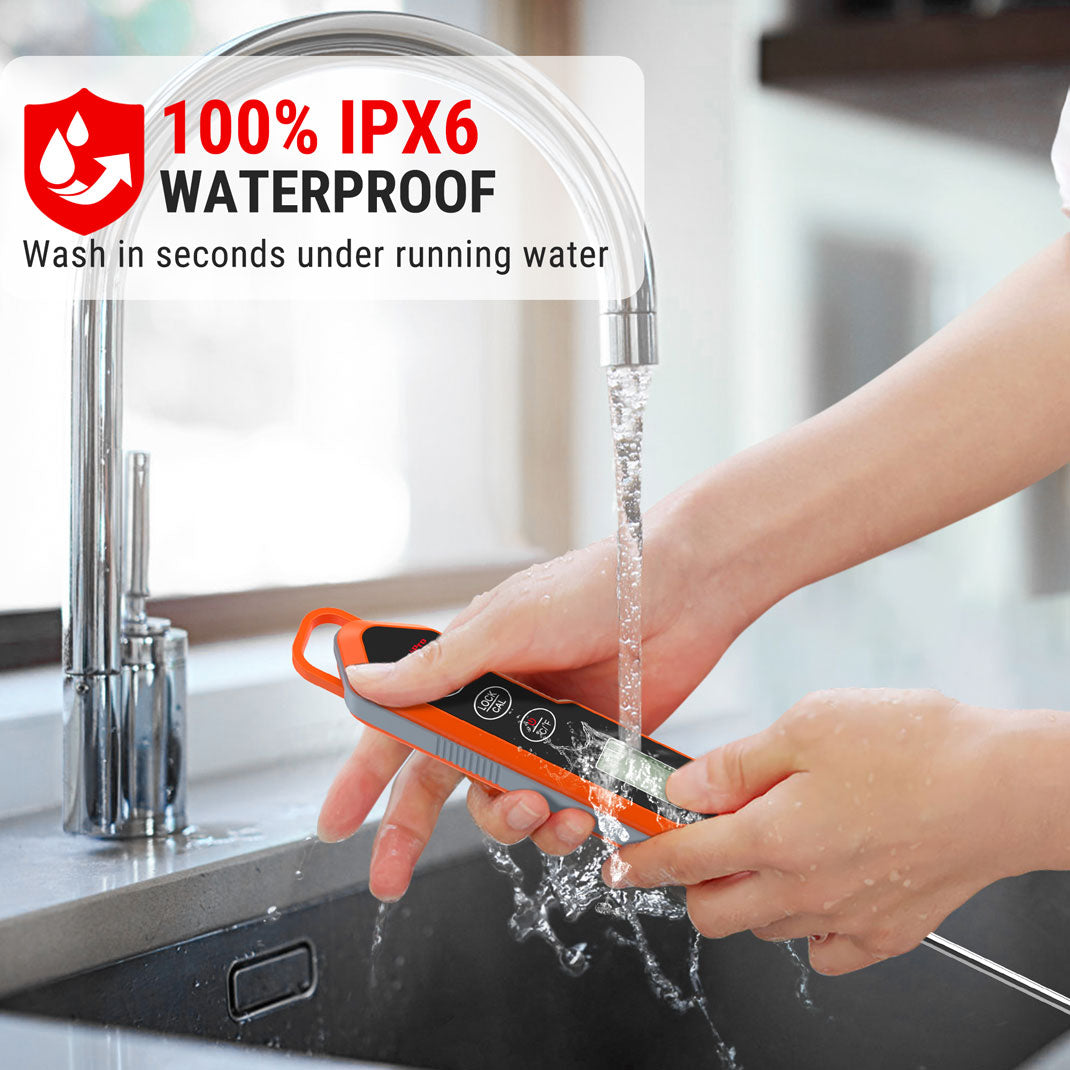
- Durable e impermeable : diseñado para soportar derrames y salpicaduras cotidianas en la cocina.

Cuando la seguridad alimentaria parece sencilla, es más probable que la practiques con constancia. Y con una herramienta como esta, no solo proteges tu salud, sino que también mejoras el sabor y la textura.
Cómo almacenar la sopa correctamente
Tipos de sopa y matices de seguridad
No todas las sopas se comportan igual. A continuación, te indicamos qué debes tener en cuenta:
Sopas a base de crema
Se echan a perder más rápido porque los lácteos y la crema son muy perecederos. Recaliéntelos suavemente para evitar que se cuajen, pero siempre llévelos a 74 °C antes de consumirlos.
Sopas de frijoles y guisos de lentejas
Las legumbres ricas en proteínas son saciantes y se pueden almacenar sin problemas, pero se espesan al reposar. Asegúrate de removerlas bien al recalentarlas para evitar que se enfríen.
Sopas de carne y aves
Estos son especialmente riesgosos si no se recalientan correctamente. La carne oscura o los cortes grasos pueden aislar las bacterias en grumos, así que revise varias zonas con el termómetro.
Sopas de mariscos
Los mariscos se echan a perder rápidamente. Consúmalos en un máximo de 1 o 2 días o congélelos inmediatamente.
Sopas de arroz o pasta
Los almidones absorben el líquido, lo que hace que la sopa se vuelva más densa con el tiempo. Esto ralentiza el calentamiento, así que remueva con frecuencia y verifique la temperatura en el centro.
Las reglas de oro para la seguridad de la sopa
La mayoría de nosotros asumimos que el vapor y el burbujeo son sinónimo de "listo". Pero las sopas espesas, como las cremas o los bisques cremosos, pueden parecer muy calientes en la superficie, mientras que ocultan zonas frías en el interior. Los aditivos con almidón, como el arroz o los fideos, complican aún más la situación, ya que actúan como aislantes que mantienen el interior más fresco.
Ahí es donde la precisión importa. Un termómetro para alimentos es la única forma fiable de saber que las sobras han alcanzado la temperatura completa de 74 °C.
Estos son los conceptos básicos que todos deberían seguir:
Enfriar rápidamente
No dejes la sopa en la estufa durante horas. Repártela en recipientes poco profundos y refrigérala en dos horas (una hora si tu cocina es calurosa). Esto la mantiene fuera de la "zona de peligro" (4-60 °C) , donde las bacterias se multiplican más rápido.
Tienda inteligente
La sopa refrigerada debe consumirse en un plazo de 3 a 4 días. Para conservarla durante más tiempo, congélela en recipientes herméticos o bolsas para congelar. Etiquétela con las fechas para saber cuánto tiempo lleva reposando.
Recalentar completamente
Siempre caliente las sobras a 74 °C (165 °F) antes de consumirlas. Ese es el estándar del USDA para eliminar bacterias dañinas. No solo busque que estén picantes; busque que estén seguras.
Revuelva bien
La sopa y el guiso se calientan de forma desigual, especialmente en el microondas. Remover bien los alimentos garantiza que no queden puntos fríos por debajo de las temperaturas seguras.
Recalentar solo una vez
Recaliente solo la porción que planea consumir. El recalentamiento y enfriamiento repetidos brindan a las bacterias múltiples oportunidades para proliferar.

Cómo guardar sopa en el congelador
Si cocinas por lotes, el congelador es tu aliado. Pero congelar solo funciona bien con la preparación adecuada:
- Enfriar antes de congelar : nunca coloque sopa caliente directamente en el congelador, ya que aumenta la temperatura interna y afecta a los alimentos circundantes.
- Evite congelar las sopas lácteas : la crema puede separarse. En su lugar, congele la base y añada los lácteos al recalentar.
- Control de porciones : Congele en porciones individuales para comidas rápidas entre semana.
- Deje espacio en la parte superior : Los líquidos se expanden al congelarse. Los recipientes deben llenarse solo hasta tres cuartas partes de su capacidad.
Las sopas congeladas duran de 2 a 3 meses para una mejor calidad. Descongélelas siempre en el refrigerador, no sobre la encimera.
La seguridad de la sopa se une a la preparación de comidas
La preparación de comidas es una de las tendencias culinarias más importantes de la última década, y la sopa encaja a la perfección. Pero preparar no significa ahorrar. Aquí te explicamos cómo mantener la seguridad:
- Prepare las verduras por separado y guárdelas crudas hasta el día de cocinarlas.
- Cocine ollas grandes durante el fin de semana y luego divídalas en recipientes diarios para evitar recalentar el mismo lote repetidamente.
- Utilice su termómetro para carne de lectura instantánea ThermoPro TP620 para controlar cada porción recalentada; solo toma unos segundos, pero le brinda tranquilidad.
Al alinear los hábitos de preparación de comidas con las prácticas de seguridad, protege tanto la conveniencia como la salud.
Construyendo una rutina en torno a la seguridad alimentaria
Al igual que cepillarse los dientes o cerrar la puerta con llave, la manipulación segura de alimentos se vuelve natural una vez que forma parte de la rutina. Acostúmbrese a:
- Etiquete los envases tan pronto como los refrigere o los congele.
- Remueva siempre la sopa a mitad del calentamiento.
- Volver a comprobar con un termómetro antes de servir.
Una vez que practiques esto de manera constante, ni siquiera lo pensarás dos veces: será tu ritmo normal en la cocina.
Conclusión: Disfrute la temporada de sopas de forma segura
La temporada de sopas llegó para quedarse, pero también la responsabilidad de prepararlas adecuadamente. Desde fideos con pollo hasta sopa de mariscos, cada plato merece atención, y tú también. Seguir unas sencillas reglas de seguridad alimentaria mantiene tus sobras deliciosas y sin preocupaciones, ya sea que recalientes el chili del lunes o disfrutes de una tanda congelada semanas después.
Así que esta temporada, disfruta de la reconfortante sopa mientras practicas hábitos conscientes. Con el almacenamiento y el recalentamiento adecuados y herramientas de precisión como el termómetro de lectura instantánea para carne ThermoPro TP620 , cada cucharada será tan segura como satisfactoria.
Porque nada debería interponerse entre tú y tu comida reconfortante de otoño favorita, ni siquiera las sobras.
Comentarios
También te puede interesar


Producto recomendado