What’s the Best Room Temperature for Infants?


 288 Comments


As new parents, one of the most important things you can do to ensure your baby’s health and comfort is to create a safe and comfortable environment for them to grow in. Among the many factors that contribute to a baby's well-being, one of the most essential is the room temperature. Babies are more sensitive to temperature changes than adults, so maintaining an appropriate temperature in their room is crucial for their health, safety, and sleep quality.
In this article, we will explore the best room temperature for infants, how to maintain ideal temperature for newborn sleep, and recommend a handy device that can help you monitor your baby’s room temperature.
Why Room Temperature Matters for Your Baby's Health?
Babies' Sensitivity to Temperature
Newborns and infants have underdeveloped temperature regulation mechanisms. This means that they are less able to control their body temperature compared to adults. Overheating or chilling can lead to discomfort and potentially dangerous health conditions. Studies have shown that overheating, especially during sleep, increases the risk of sudden infant death syndrome (SIDS). On the other hand, exposure to cold temperatures may cause babies to become fussy or even develop hypothermia if the environment is too cold for too long.
For this reason, it is vital to know the best temperature for newborn room and how to maintain it consistently. A comfortable room temperature helps your baby sleep better, and sleep is key to healthy development.
Best Room Temperature for Newborns
When it comes to newborns, the best room temperature for a newborn is generally between 68°F and 72°F (20°C - 22°C). This range is comfortable and safe for babies, as it prevents them from getting too hot or too cold. Here are some additional details about how temperature affects your baby’s health:
- Too Hot: Babies are unable to regulate their body temperature effectively. If the room is too hot, babies may sweat or become overheated, which can cause discomfort and increase the risk of SIDS.
- Too Cold: If the temperature is too low, babies may feel chilly, which can lead to irritability and possibly respiratory issues. Cold temperatures also make it harder for babies to stay warm and comfortable during sleep.

Best Temperature for Infant Sleep
The best temperature for a newborn and infant to sleep is very similar to the ideal daytime temperature. However, it is especially important during sleep because babies spend a large portion of their time sleeping in the early months. Here’s a guideline to keep in mind:
- Ideal sleeping temperature for newborn: The temperature should stay between 68°F and 72°F (20°C - 22°C). This range ensures your baby stays comfortable and reduces the risk of overheating or chilling during the night.
- Avoid heavy blankets and overheating: Since babies can’t regulate their body temperature well, it’s important to dress them in layers appropriate for the room’s temperature. A sleep sack or wearable blanket can be a safer option than loose blankets.
In addition to temperature, you should consider the bedding and clothing you use to ensure your baby sleeps safely:
- Clothing: Opt for lightweight, breathable fabrics like cotton. Avoid dressing your baby too warmly. If the room is warm, a simple onesie may suffice.
- Room ventilation: Make sure your baby’s room is well-ventilated. You can open a window for fresh air or use a fan to circulate air in the room. However, be mindful not to point the fan directly at your baby.
Practical Tips for Managing Your Baby’s Room Temperature
Monitor and Adjust Regularly
As a parent, you want to make sure your baby’s environment stays consistent. Sometimes, room temperature can fluctuate, especially if you're using heating or cooling systems. Here are some ways to ensure your baby is always in the ideal temperature range:
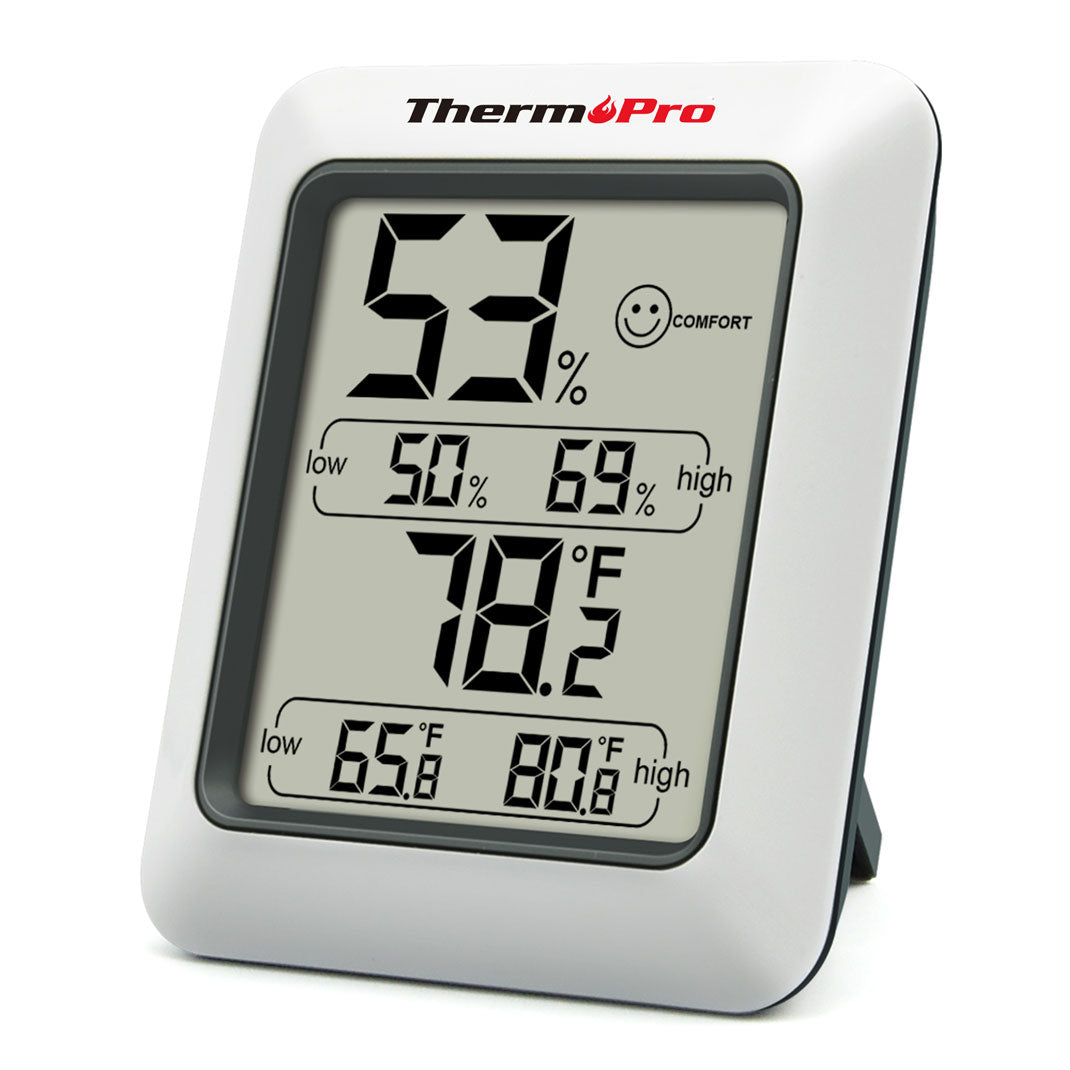
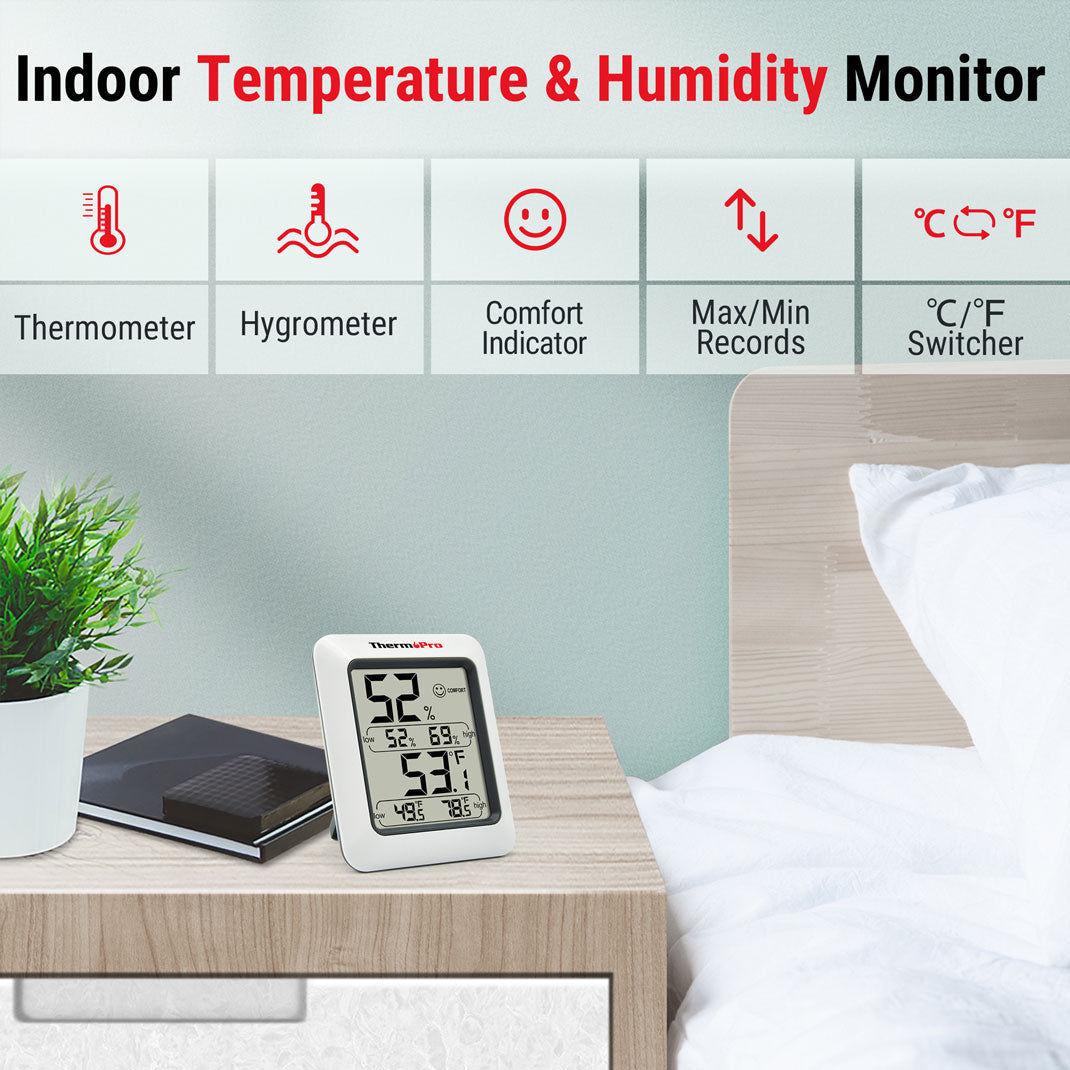
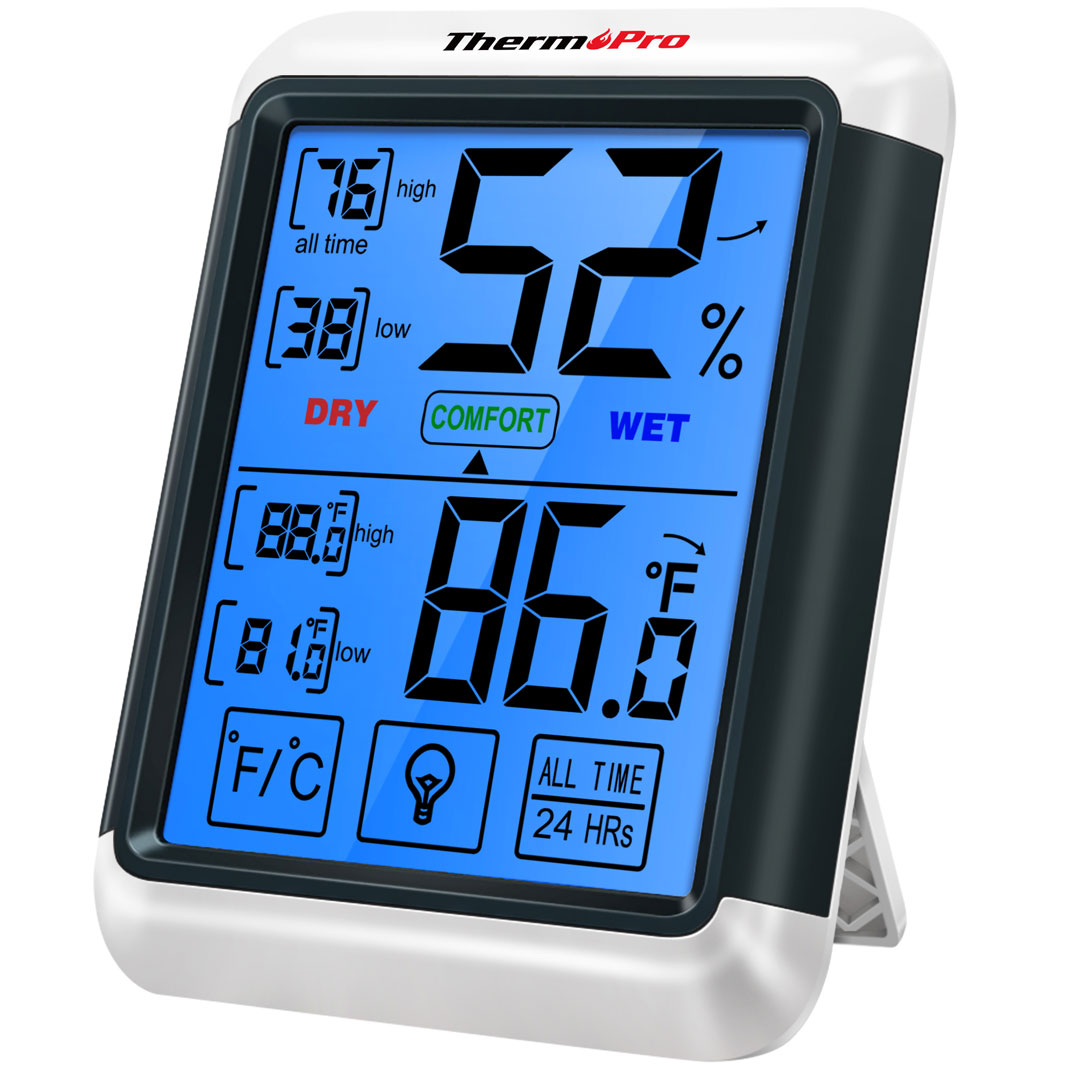
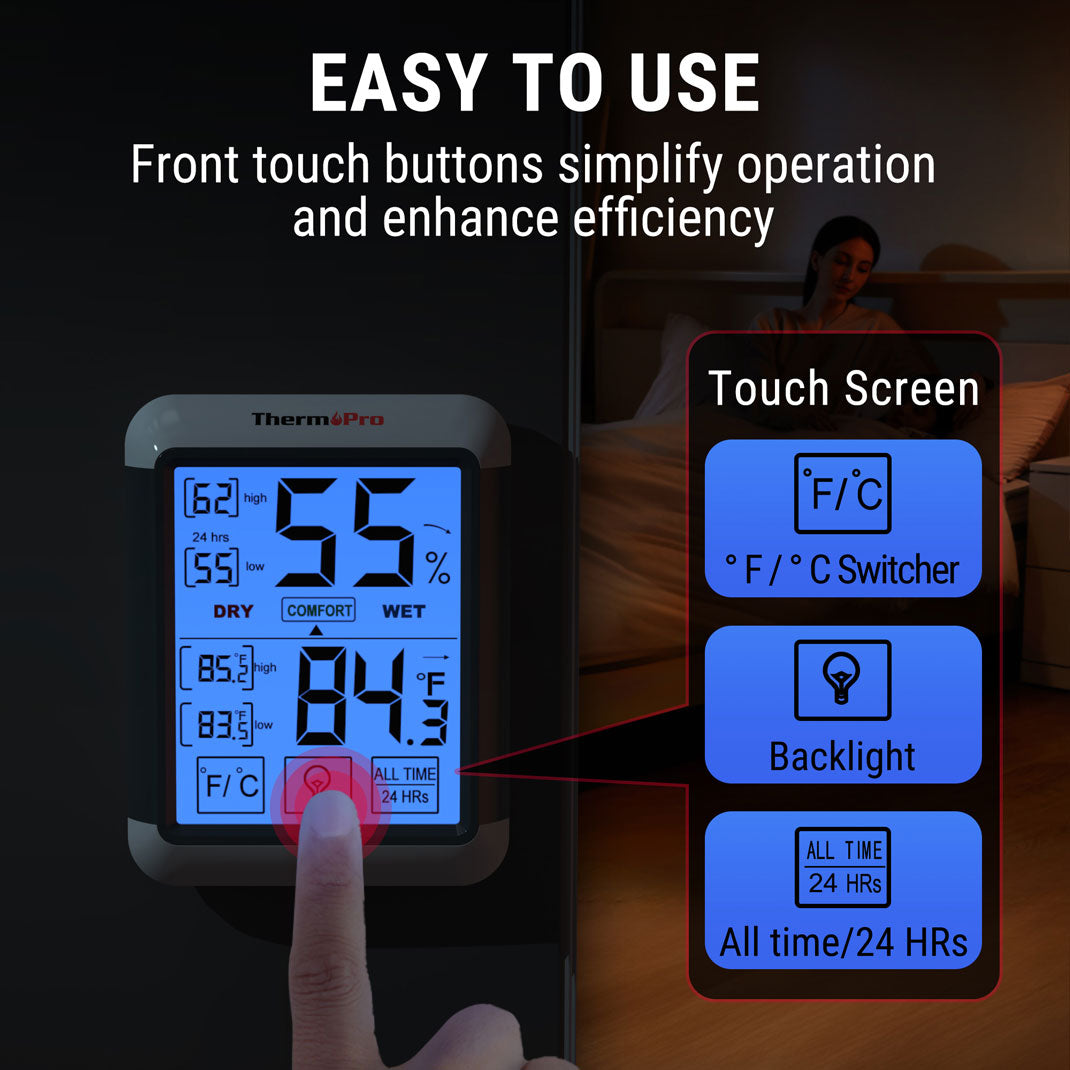
- Use a indoor thermometer: An indoor thermometer is a simple and effective way to keep track of your baby’s room temperature. It’s helpful to monitor this regularly, especially as the seasons change.
- Dress your baby appropriately: Layer your baby’s clothing based on the room temperature. A good rule of thumb is to dress your baby in one more layer than you would wear yourself in the same room.
- Control room temperature with the help of fans or heaters: If the room temperature falls outside the ideal range, you can use a fan or space heater to bring it back within the comfortable range. Just be sure that the fan or heater is positioned safely and doesn't blow directly on your baby.
- Check for signs of discomfort: If your baby seems restless or fussy, it could be due to temperature. Check if your baby feels too hot or too cold by touching their back, chest, or neck.
- Be aware of the season: In winter, rooms tend to get too dry; in summer, they may become sticky and warm. Adjust air conditioners or humidifiers accordingly.
How to Monitor Room Temperature for Your Infants
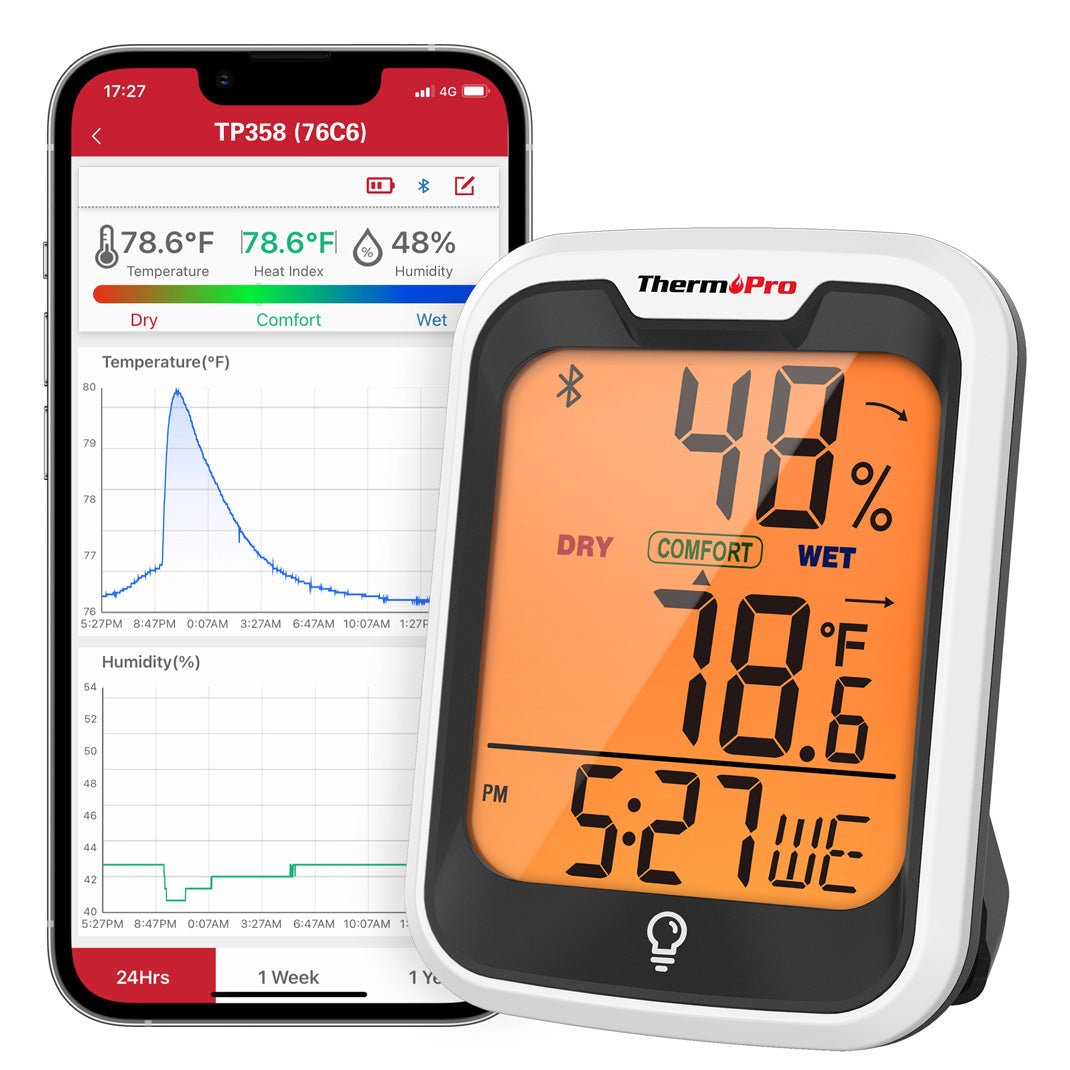
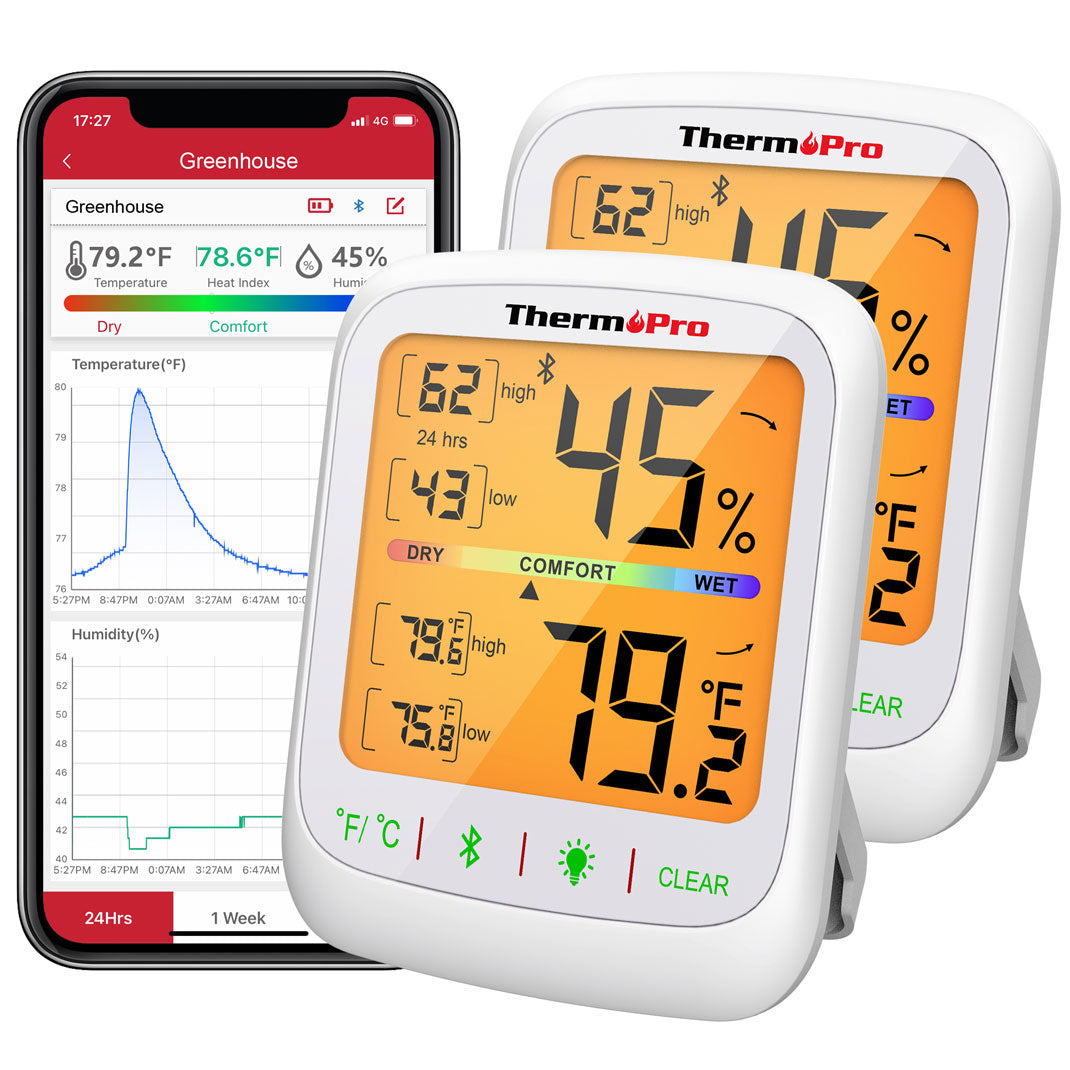
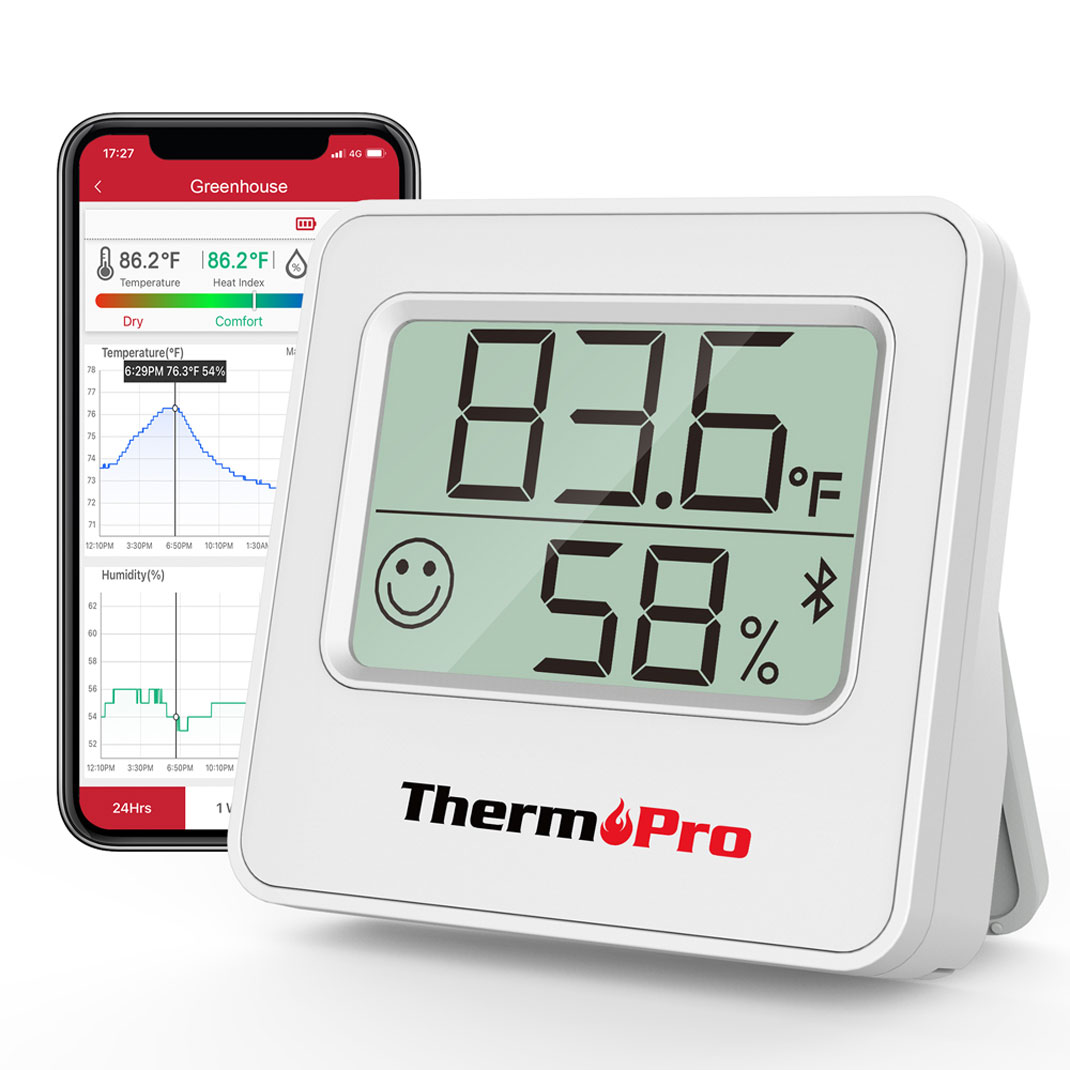
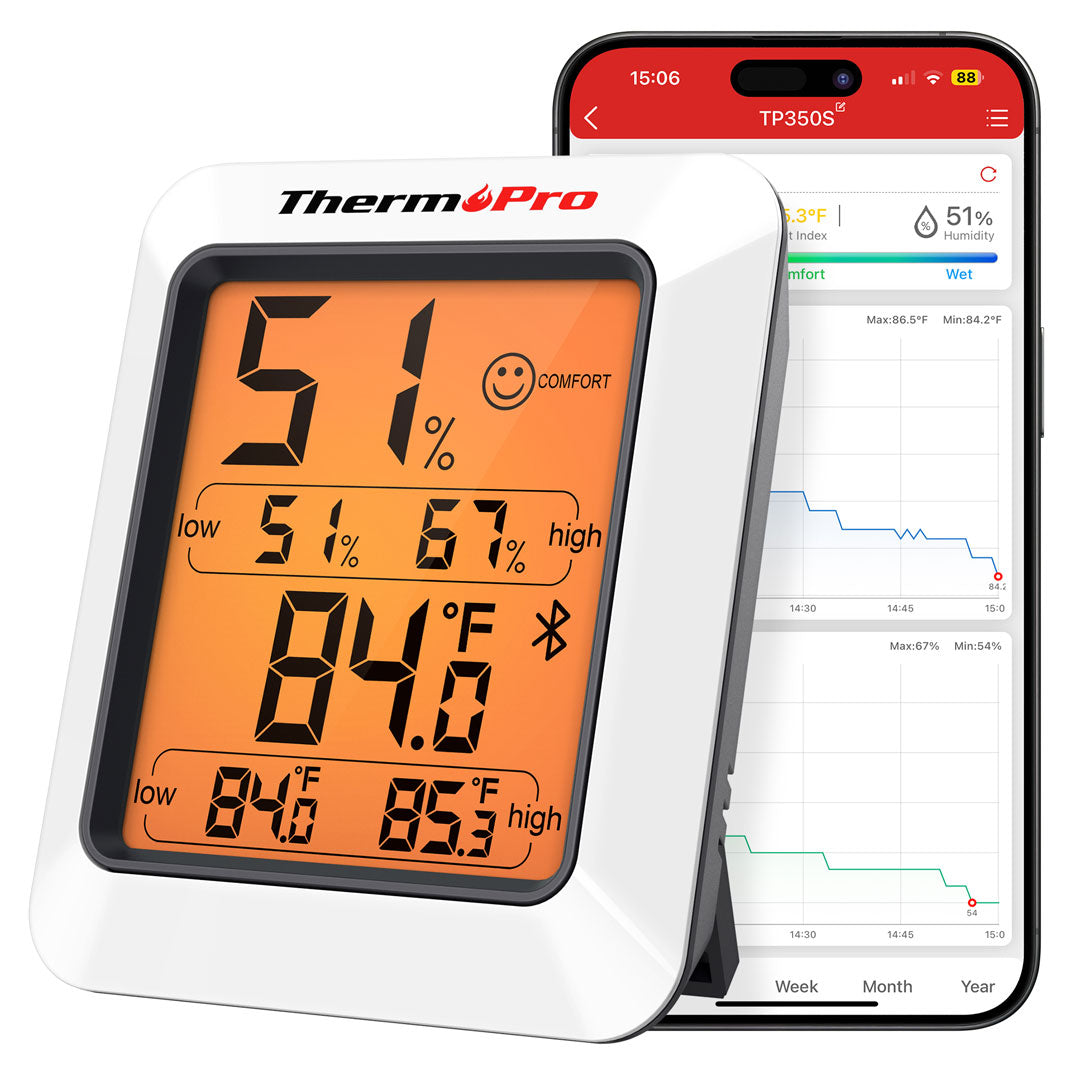
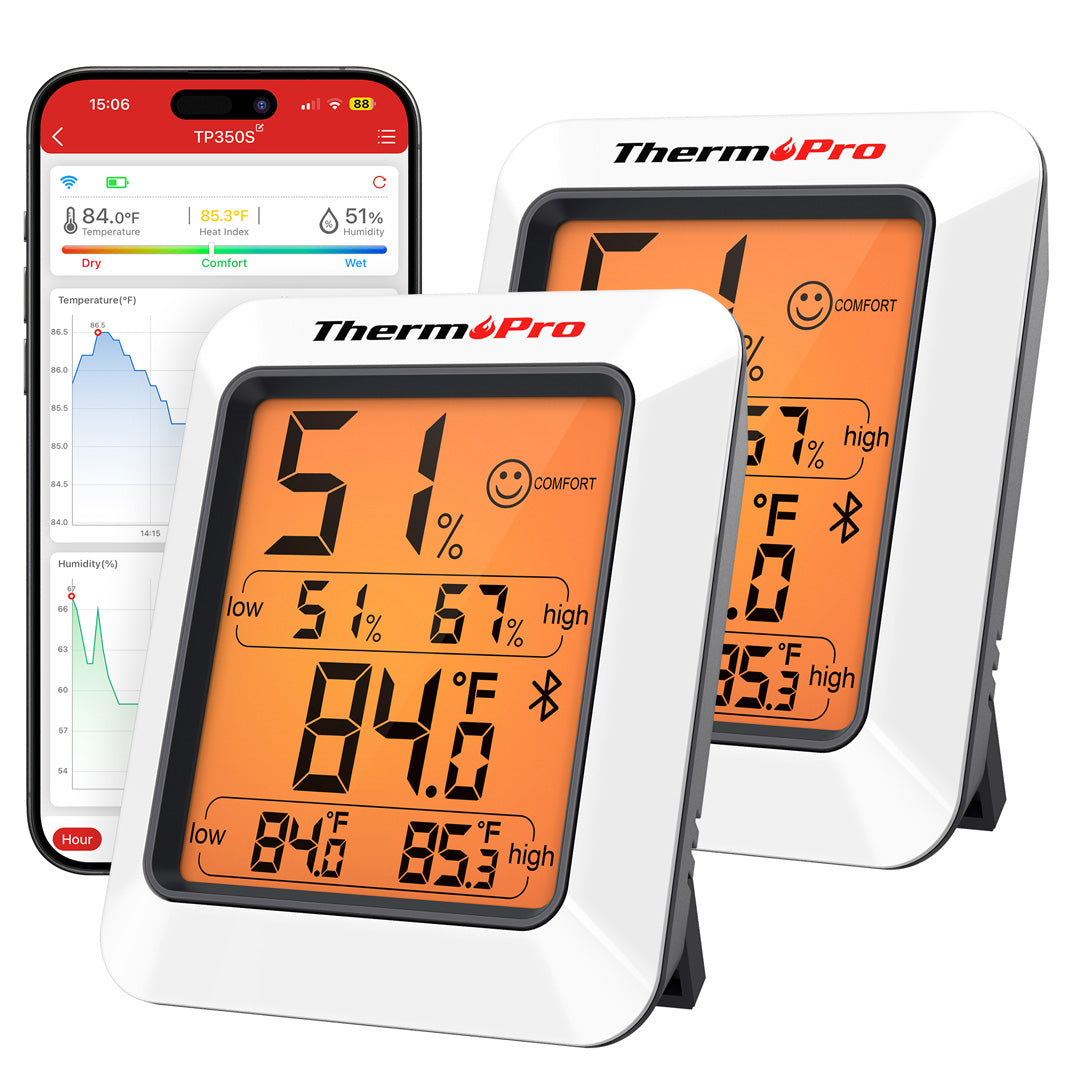
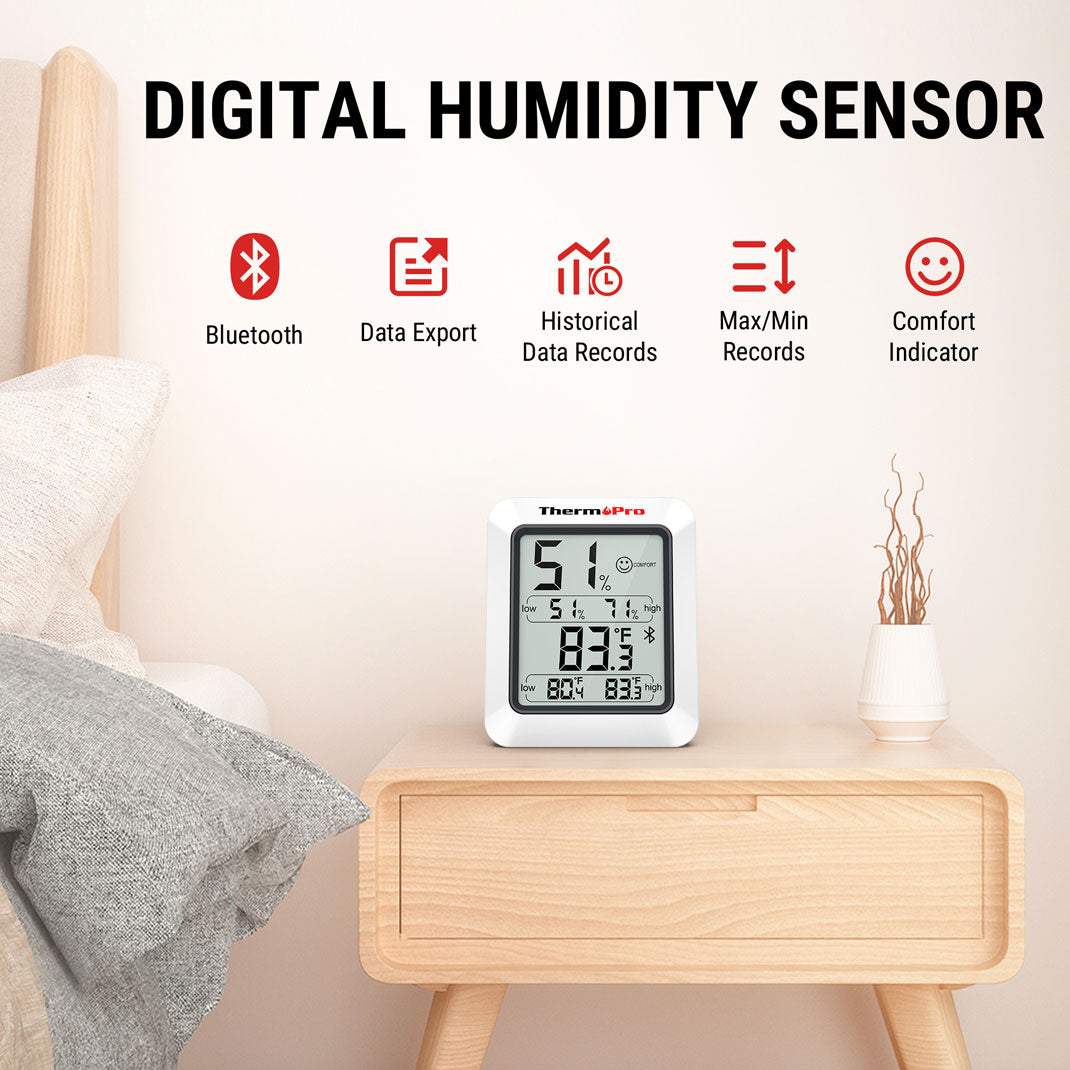
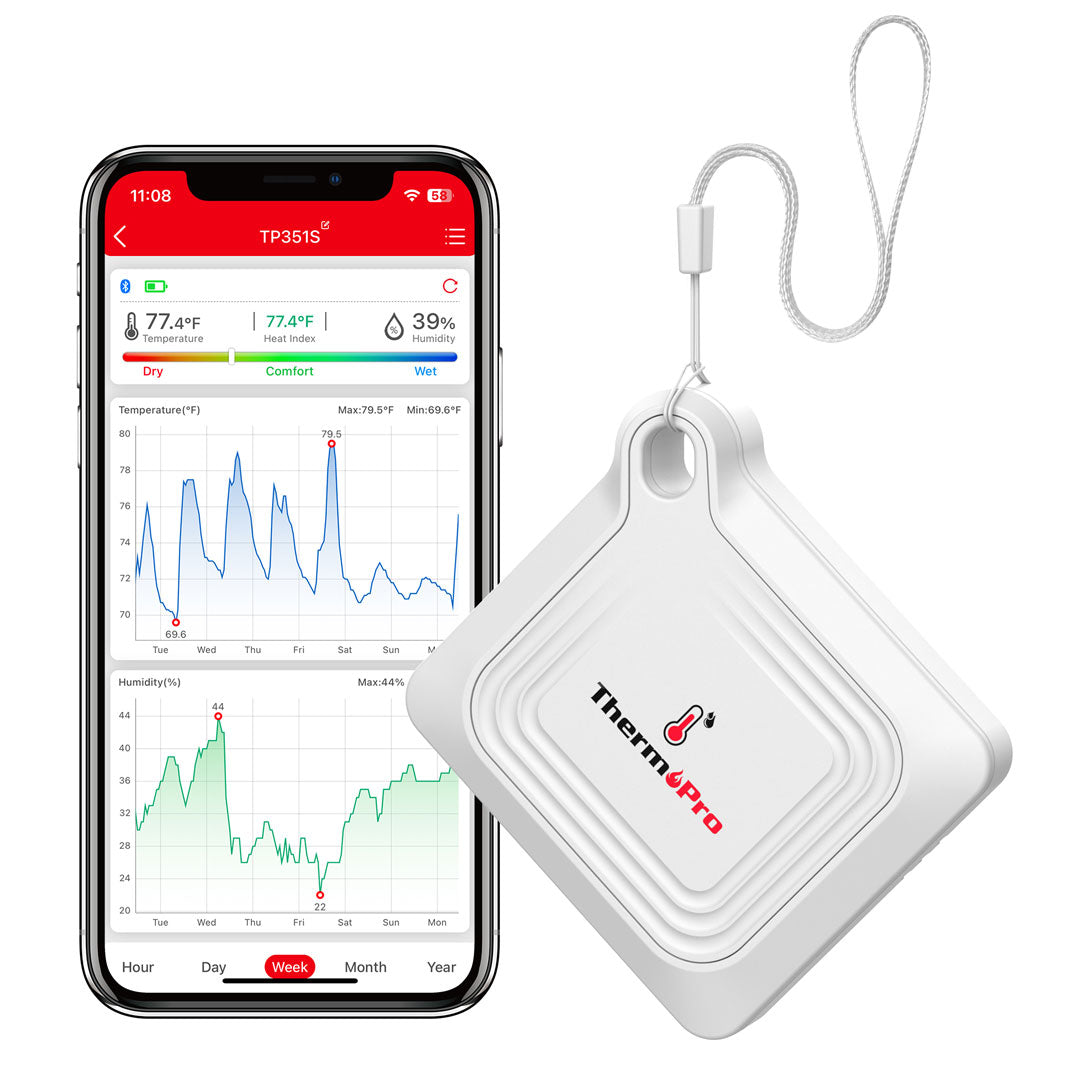
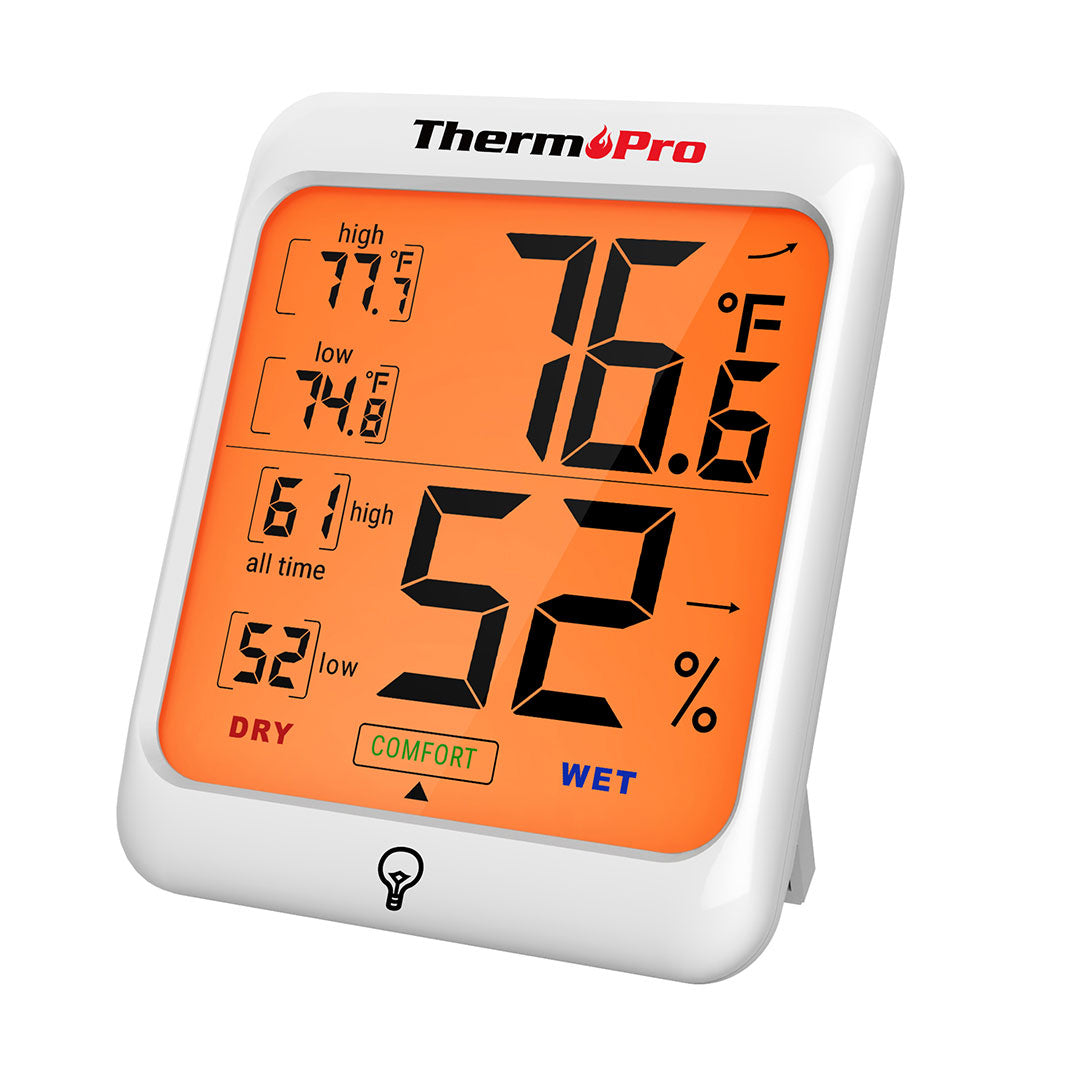
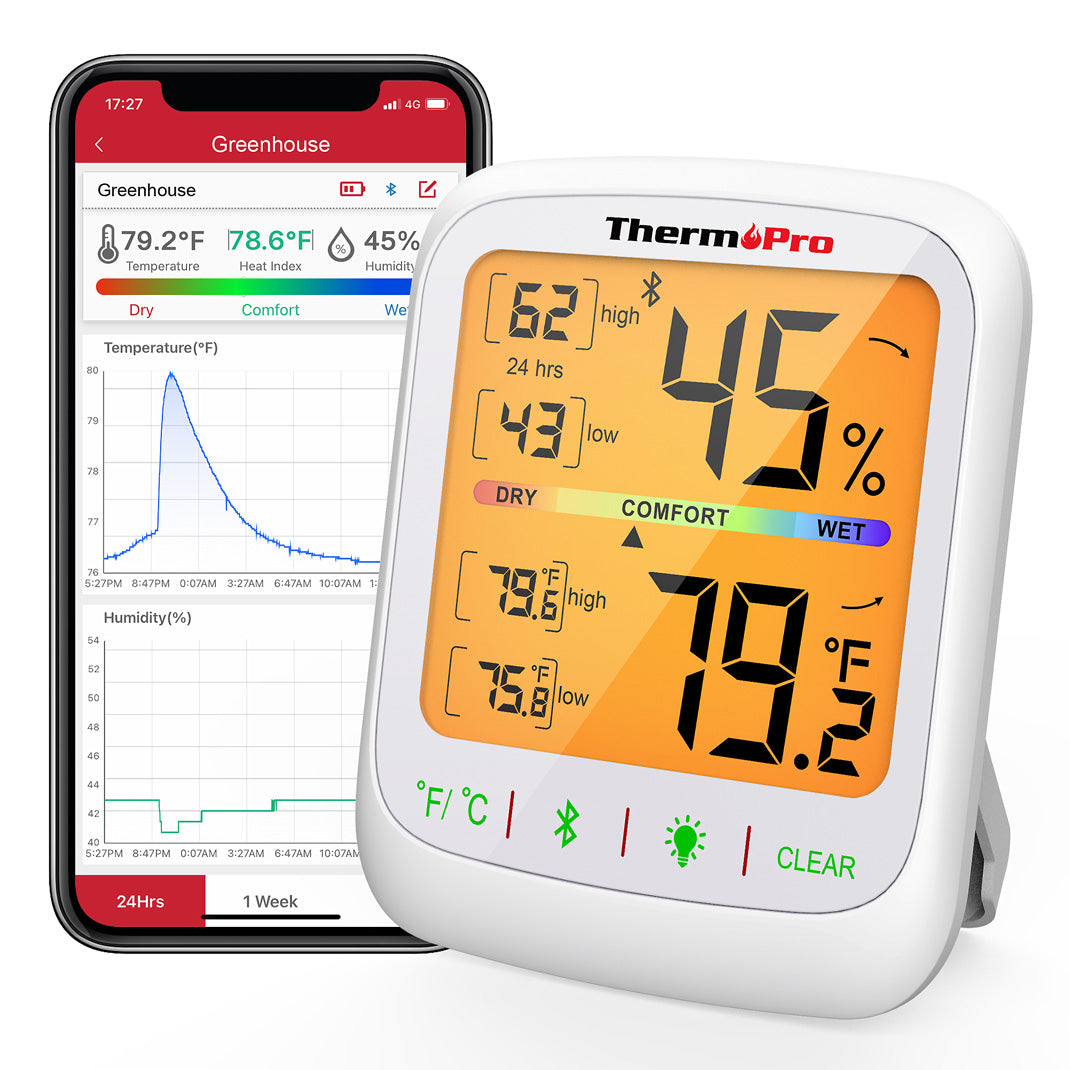
To help you monitor your baby's room temperature and humidity, the ThermoPro TP359 Bluetooth Indoor Hygrometer Thermometer is an excellent choice. Here’s why this product is perfect for parents:
Features of the TP359 Bluetooth Indoor Hygrometer Thermometer
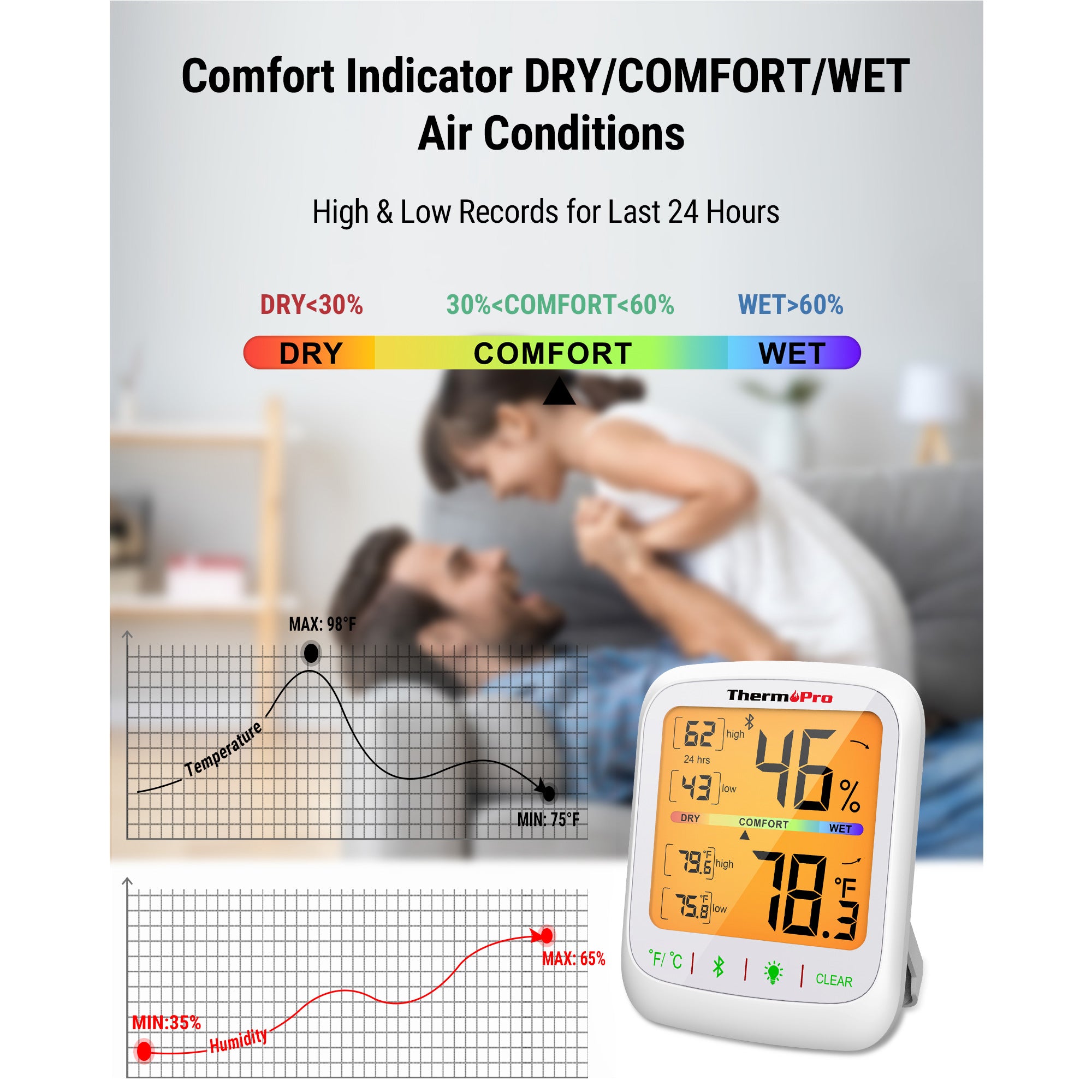
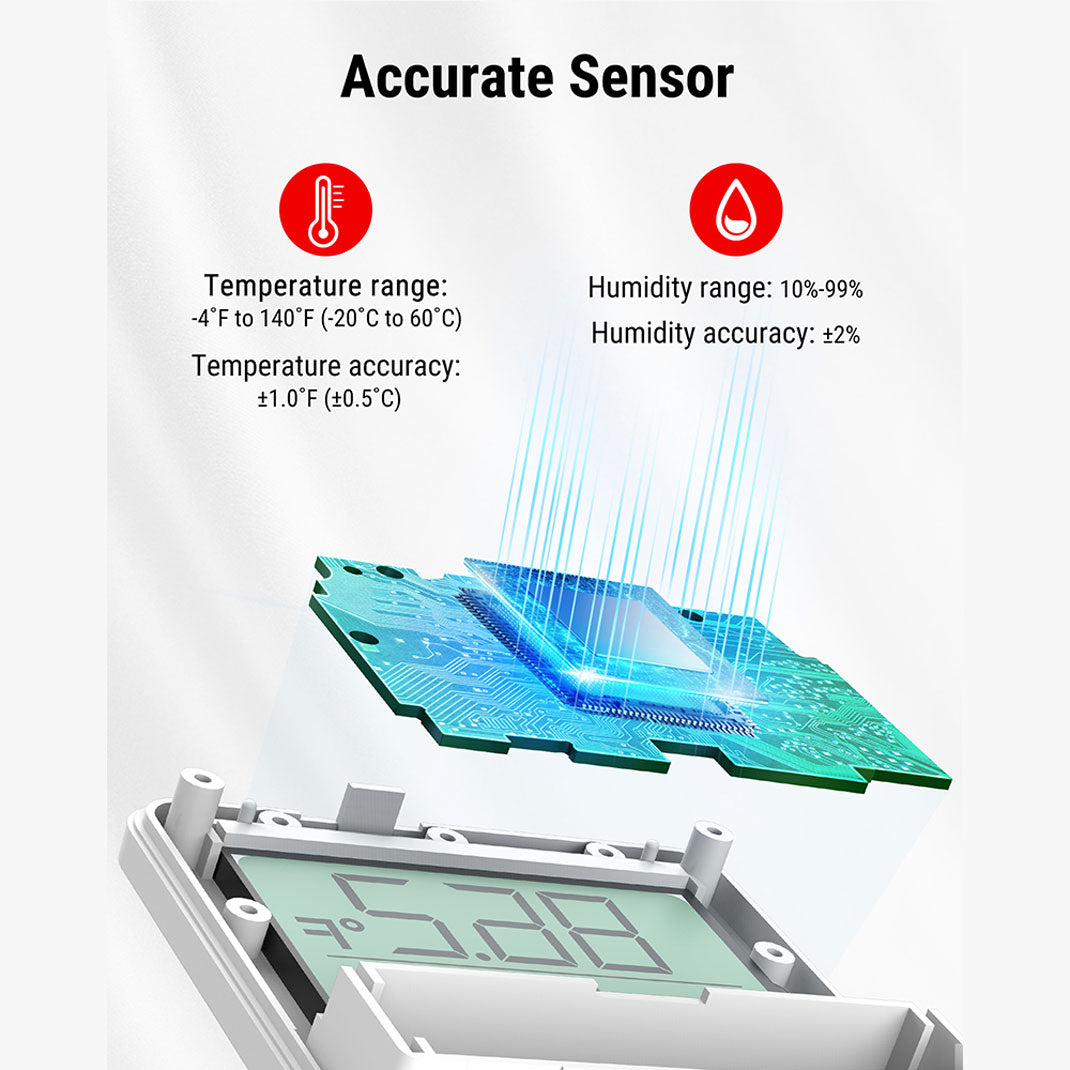
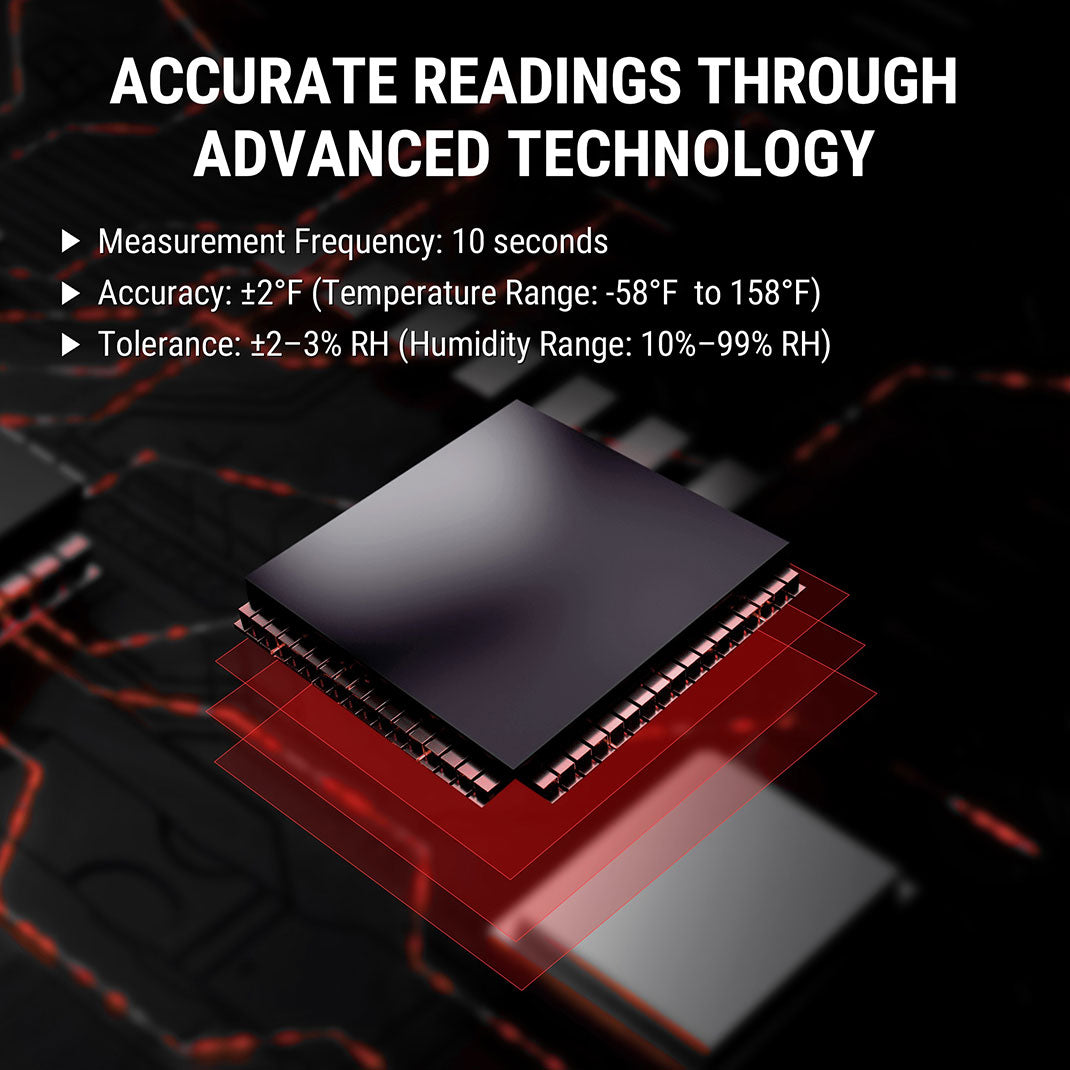
- Accurate Temperature and Humidity Monitoring: The ThermoPro TP359 measures both temperature and humidity in nursery, which is important since humidity levels can also affect your baby’s comfort. A room that is too dry or too humid can lead to respiratory issues, particularly for newborns.
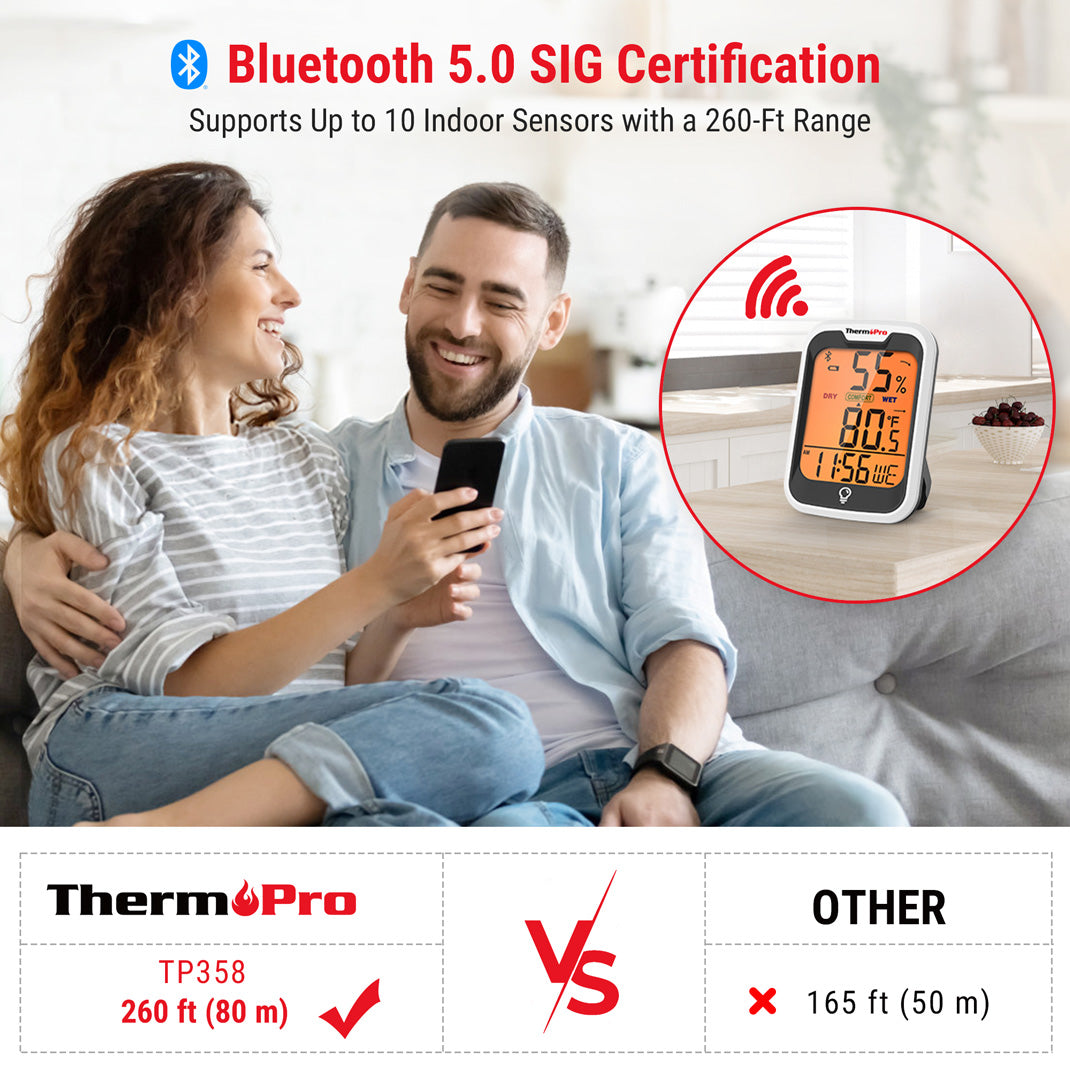
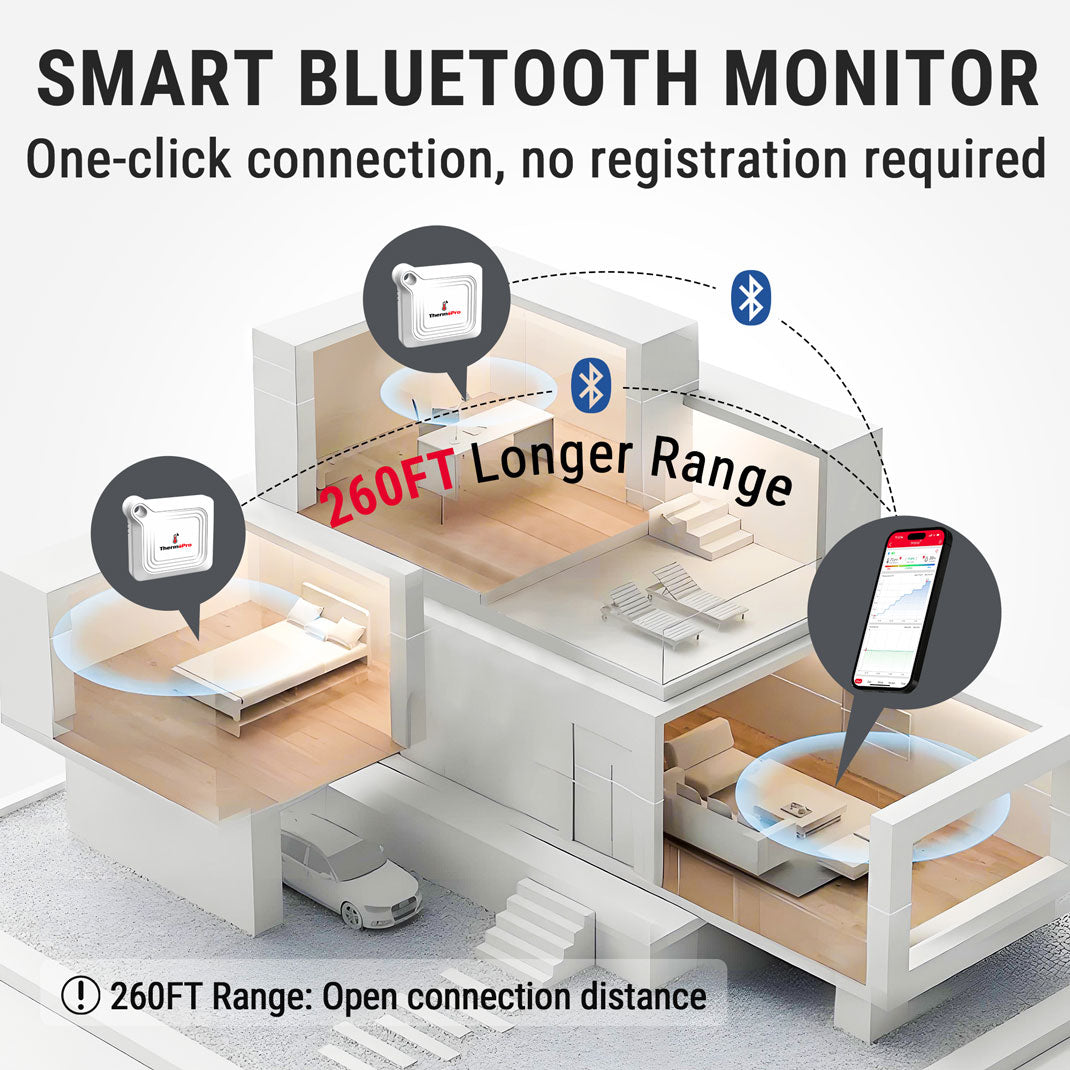
- Real-Time Monitoring via Bluetooth: With Bluetooth connectivity, you can easily check the room temperature from your phone or tablet from up to260ft away. This allows you to stay updated on your baby's room environment, even when you're not physically in the room.
- Custom Alerts and Notifications: The ThermoPro TP359 offers customizable alerts that notify you if the temperature or humidity goes out of your desired range. This ensures that your baby’s room stays within the best room temp for infant sleep and the ideal humidity level.
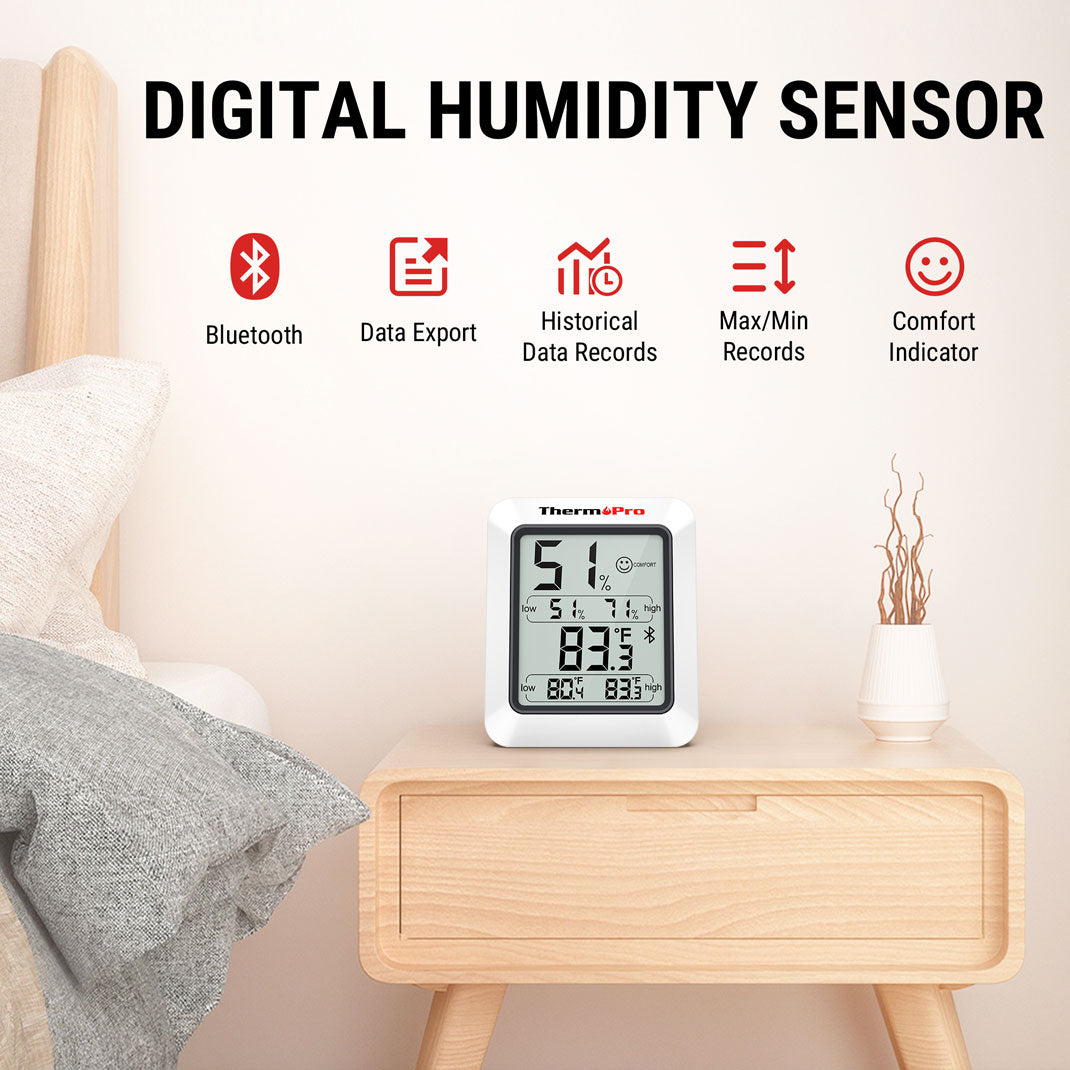
- Compact and Easy to Use: The device is small, portable, and easy to place anywhere in the nursery. Whether on a shelf, wall, or nightstand, it’s unobtrusive yet highly effective.
- Helps Maintain the Ideal Nursery Temperature: The ThermoPro TP359 makes it easier to maintain the best nursery temperature by providing real-time data and insights, helping parents make quick adjustments when needed.

Why Is It Perfect for Your Baby’s Nursery
- Prevents Overheating and Overcooling: With precise temperature monitoring, you can avoid the risk of your baby getting too hot or too cold during sleep.
- Supports Healthy Breathing: Monitoring the humidity level in the room is equally important. Babies are more vulnerable to respiratory discomfort, and the right humidity can make a big difference in their overall well-being.
- Peace of Mind: By using the ThermoPro TP359, you gain peace of mind knowing that you are consistently creating the ideal environment for your baby to grow and thrive.
Common Questions about Room Temperature for Infants
As new parents, many questions arise when it comes to creating the best environment for your baby, especially regarding room temperature. Here, we’ve gathered some of the most common questions parents often ask about room temperature for infants, and provided expert answers to help you ensure your baby’s comfort and safety.
Q1. What’s the best sleeping temperature for newborns at night?
The ideal room temperature for a newborn is generally considered to be between 68°F and 72°F (20°C to 22.2°C). This is typically the best temperature for infant sleep, warm enough for comfort, cool enough for safety.
Q2. How can I tell if my baby is too hot or too cold?
To check if your baby is too hot or too cold, gently feel their neck, back, or chest. These areas will give you a good indication of their body temperature:
- If your baby is too hot: Their skin may feel sweaty, and they might seem fussy or restless.
- If your baby is too cold: Their hands or feet may feel cool, and they may appear to be shivering or have pale skin.
Remember, it’s important not to rely solely on their hands or feet as an indicator since babies’ extremities tend to be cooler. Always check the torso area for a better idea of their overall body temperature.
Q3. Should I use a fan or air conditioner?
Yes, using a fan can be a good way to keep the air circulating in your baby’s room, but be cautious about its placement. Here’s how to safely use a fan in your baby’s room.
Keep the fan at a safe distance: Ensure that the fan is not blowing directly on your baby’s crib. The fan should help with air circulation without causing a direct draft on your baby.
Prevent overheating: Fans help reduce the risk of overheating by keeping the air cool, especially in warmer months, but always make sure the room’s temperature stays within the recommended range.
Fans also help keep the air fresh and reduce humidity, which can be beneficial for respiratory health, particularly if your baby has allergies.
Q4. What if my nursery’s room temperature drops below 68°F?
Use a wearable blanket or sleep sack to keep your baby warm. Avoid loose bedding; instead, dress your baby in long-sleeve cotton pajamas plus a light swaddle.
Q5. Do I need a humidifier too?
If your nursery air feels dry, a humidifier helps, but always monitor with a digital hygrometer, like ThermPro TP359 Bluetooth Indoor Hygrometer Thermometer. Too much humidity can cause mold, while too little can irritate your baby’s throat.
Q7. Is humidity important for my baby’s room temperature?
Yes, humidity plays an important role in your baby’s comfort and respiratory health. While focusing on the indoor temperature, you should also monitor humidity level in your baby’s room. The ideal humidity level for a baby’s room is between 40% and 50%.
- Too dry: If the air is too dry, your baby may experience dry skin, nasal congestion, or irritation in their throat and eyes.
- Too humid: Excessive humidity can promote mold growth and increase the risk of respiratory issues.
Using a indoor hygrometer to measure both temperature and humidity, such as the ThermoPro TP359 Bluetooth Indoor Hygrometer Thermometer, can help you maintain the optimal balance for your baby's room environment.
Q8. How should I dress my baby for sleep in different temperatures?
- Room Temperature 68°F to 72°F: A cotton onesie or sleep sack is sufficient for babies sleeping in this range. Avoid heavy blankets and opt for light layers instead.
- Room Temperature Below 68°F: If it’s cooler, consider dressing your baby in an additional layer, such as a long-sleeve onesie or thermal sleep sack. Be mindful to keep your baby warm but not overheated.
- Room Temperature Above 72°F: If it’s warm, dress your baby in a short-sleeve onesie or a light cotton outfit. Avoid overdressing to prevent overheating.
You can also check your baby’s neck or back to ensure they’re at the right temperature. If their skin feels warm but not hot, they are likely comfortable.
Final Thoughts
Creating the ideal room temperature for your baby is crucial for their health, safety, and comfort. The best temperature for newborn sleep typically falls between 68°F and 72°F. It’s essential to monitor and maintain this range to ensure your baby sleeps soundly and stays comfortable throughout the day and night.
The ThermoPro TP359 Bluetooth Indoor Hygrometer Thermometer is an excellent tool for parents to maintain this optimal environment in their baby's room. By monitoring both temperature and humidity, this device helps you ensure your baby’s room is always within the ideal conditions for growth and sleep.
By taking these steps, you can create a safe and comfortable space that supports your baby's health and well-being as they grow. So, keep the room temperature in check and use the right tools to help you manage it. Your baby’s sleep and comfort are worth it!
Comentarios
También te puede interesar

200,000+ Units Sold! Why Has ThermoPro TP49 Become a Bestseller?
How Do I Choose the Right Indoor and Outdoor Thermometer?
Cómo reducir la humedad en el baño


Producto recomendado