How Do I Choose the Right Indoor and Outdoor Thermometer?


 288 Comments


Keeping track of temperature and humidity inside and outside your home may seem like a small thing, but it can make a big difference in your comfort, health, and even your energy bills. Whether you live in the humid South, the dry Southwest, or the snowy North, understanding your home's environment helps you make smarter heating, cooling, and ventilation decisions.
That's why investing in a good indoor outdoor thermometer is a smart move for every household. In this guide, we'll explain why it's worth having one, the different types available, what features to look for, and how to choose the best indoor outdoor thermometer for your needs.
Why You Need an Indoor Outdoor Thermometer
If you've ever been surprised by how much hotter it feels inside your home than the weather app says, or wondered why your plants aren't thriving even though you water them regularly, you've already experienced why accurate temperature and humidity readings matter.
Here are a few key reasons why an indoor and outdoor thermometer is worth having:
Comfort and Energy Efficiency
Knowing the real temperature and humidity levels helps you adjust your thermostat and humidifier or dehumidifier more effectively. For example, if you notice your indoor humidity drops below 30% in winter, running a humidifier can make your home feel warmer without raising the heat. Conversely, in summer, controlling indoor humidity can reduce the load on your air conditioner.
Health and Air Quality
Humidity levels that are too low can lead to dry skin, allergies, and respiratory irritation, while excess humidity encourages mold and dust mites. By monitoring both indoor and outdoor humidity with an indoor outdoor thermometer with humidity, you can take steps to maintain an ideal humidity level (typically 40–60%).
Protecting Your Home and Belongings
Fluctuating temperature and humidity can damage wooden furniture, musical instruments, electronics, and even your home's structure. A reliable indoor outdoor thermometer helps you spot these changes early and take preventive measures.
Gardening and Outdoor Planning
For homeowners who garden or have outdoor living spaces, outdoor readings are crucial. An accurate outdoor thermometer helps you decide when to water plants, protect them from frost, or plan outdoor activities.
Read More: Ideal Temperature and Humidity for a Greenhouse
In short, whether you want to save on energy costs, protect your home, or simply stay comfortable, a wireless indoor and outdoor thermometer is an essential home device.
Types of Indoor and Outdoor Thermometers
Before you choose one, it helps to know the main types available on the market. Each has its pros and cons, and the best fit depends on your lifestyle and budget.
Analog Indoor Outdoor Thermometers
These are the classic models with a simple dial or mercury tube. They don't require batteries and are generally affordable. They're simple, but they can be less accurate and harder to read.
Pros:
- Budget-friendly
- Easy to use
- No batteries required
Cons:
- Not easy to read
- Lower accuracy over time
Wireless Indoor Outdoor Thermometers
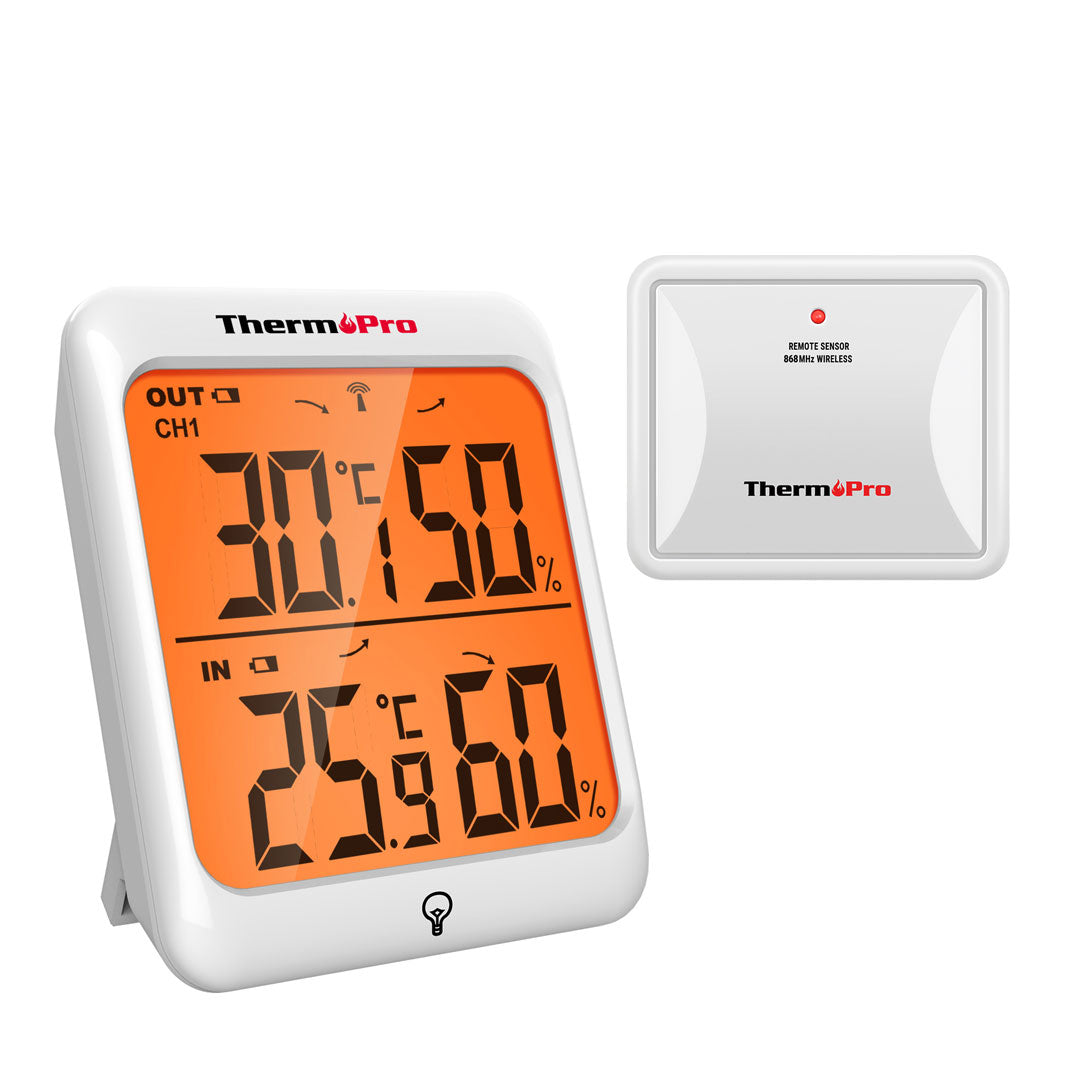
These are more accurate and easier to read. Some models even display humidity levels. These use electronic sensors to measure temperature and display readings on an LCD screen. Many modern models include humidity sensors as well, making them a good indoor outdoor thermometer hygrometer for most households.
Pros:
- Accurate and easy to read
- Often includes humidity readings
- Monitor humidity and temperature from anywhere
- Can store min/max temperature records
- Multiple sensors for different locations
Cons:
- Requires batteries or power source
- Higher cost
If you want the best rated indoor outdoor thermometer, a wireless model is your best choice. It offers accuracy, convenience, and versatility.
Key Features to Consider When Choosing an Indoor Outdoor Thermometer
When shopping for the best indoor outdoor thermometer, pay attention to more than just the price tag. Here are the most important factors to consider:
Accuracy
Accurate readings are essential, especially if you rely on your indoor outdoor thermometer for health, comfort, or protecting valuables. Look for models with a proven track record and consistent temperature and humidity readings.
Temperature and Humidity Range
Make sure the indoor outdoor thermometer can handle the range of temperatures typical in your region. For instance, if you live in Minnesota, you'll want a device that can measure sub-zero temperatures accurately. If you live in Arizona, make sure it can handle heat above 100°F.
Display and Readability
A clear, backlit display makes it easy to read readings from a distance or in dim light. Digital indoor outdoor thermometers generally offer better visibility than analog ones.
Wireless Range
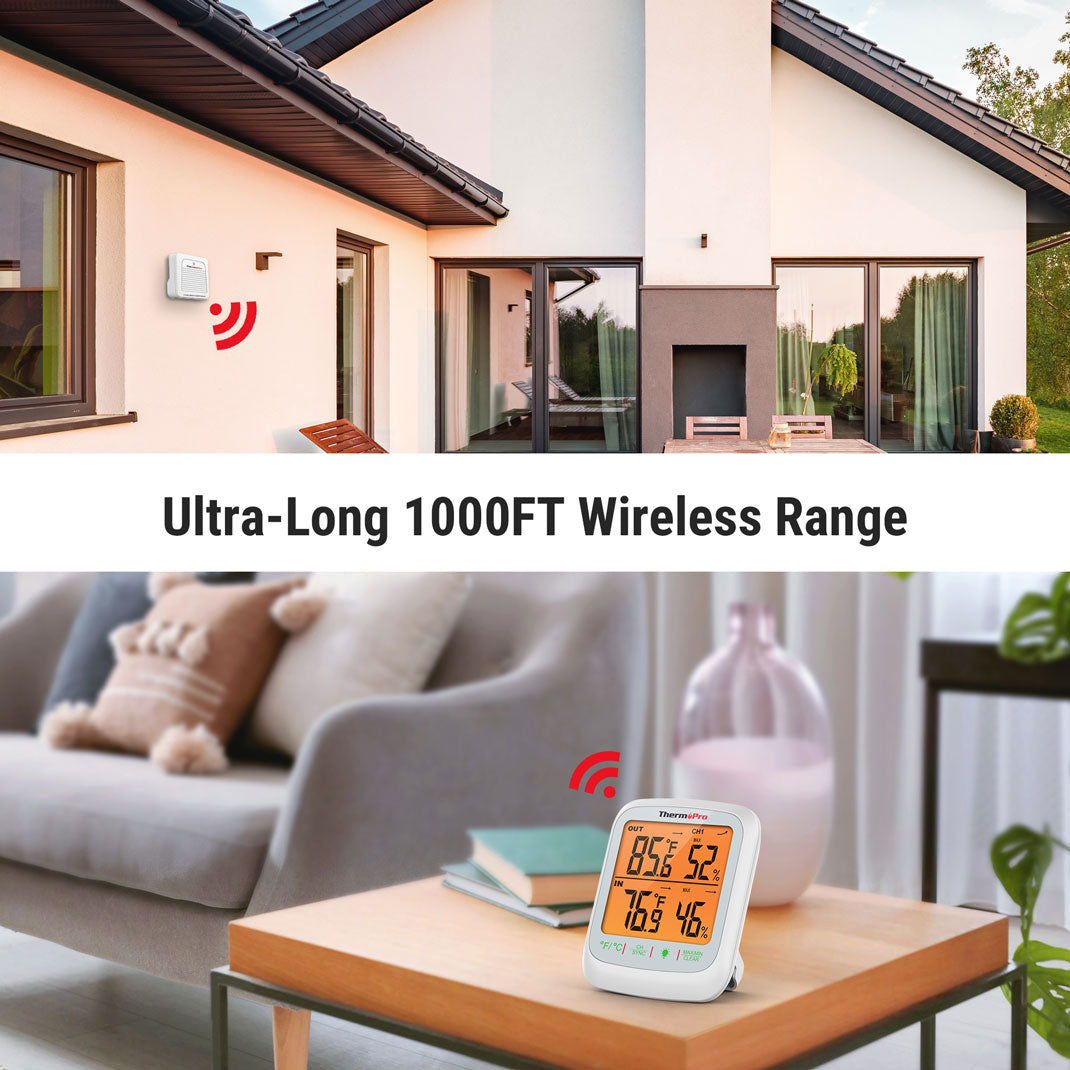
For wireless indoor and outdoor thermometers, the transmission range matters. If your outdoor sensor is placed far from your home (like in a backyard garden or garage), ensure the signal can reach the receiver without interference.

Number of Sensors
Some advanced indoor and outdoor thermometers allow multiple sensors, letting you monitor several locations at once, like the living room, basement, and outdoor patio. This feature is especially useful for large homes or those with varying microclimates.
Data Logging and Alerts
If you want detailed environmental tracking, choose a model that stores historical data or sends alerts when readings go beyond your preferred range. This can be especially helpful for preventing mold, freezing, or overheating issues.
Build Quality and Weather Resistance
Outdoor sensors must withstand rain, wind, and temperature extremes. Always check if the model you choose has weather-resistant housing.
Power Options
Most models run on batteries, but some also offer USB or solar power options. Consider what's most convenient for your home setup.
What Indoor Outdoor Thermometer You Can Choose?
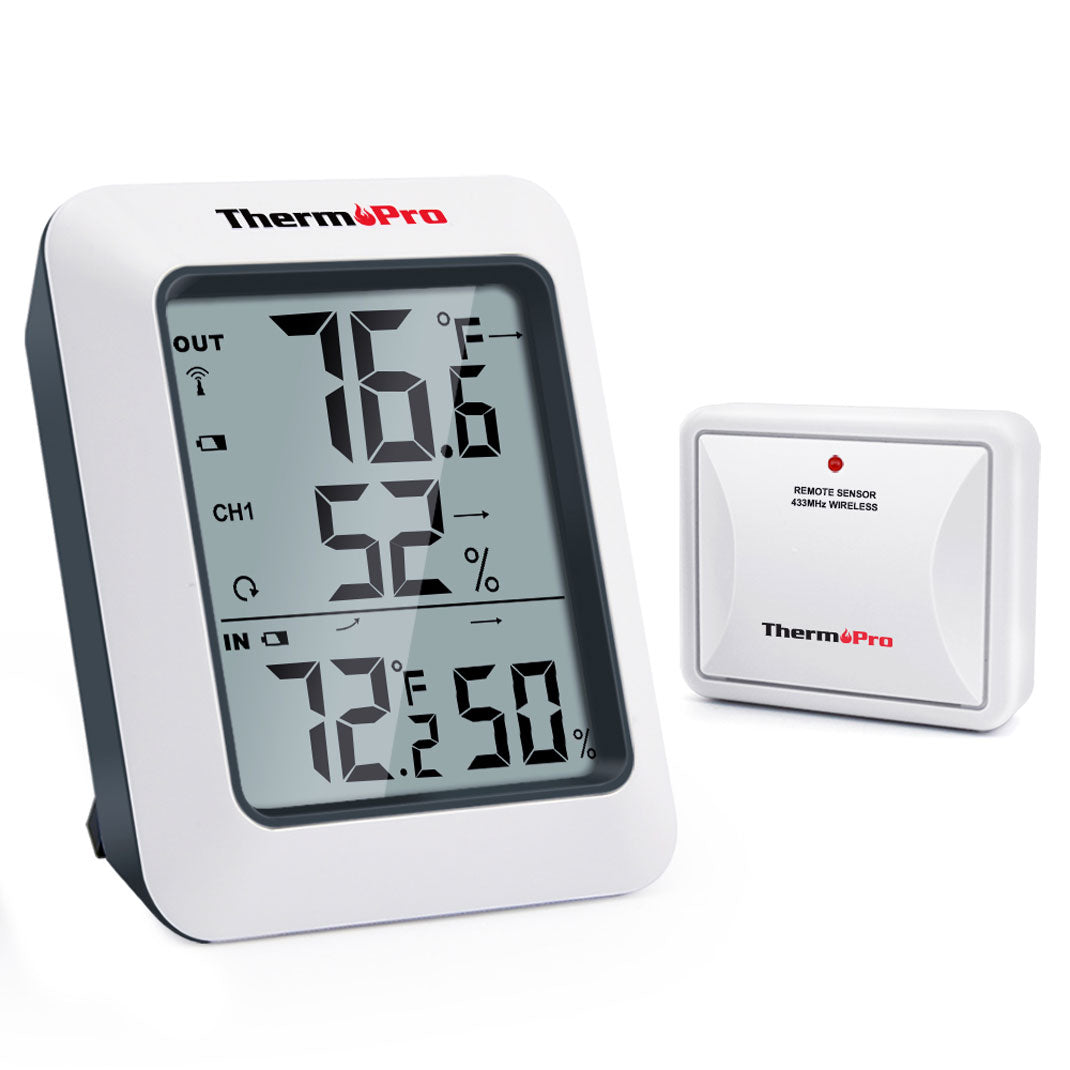
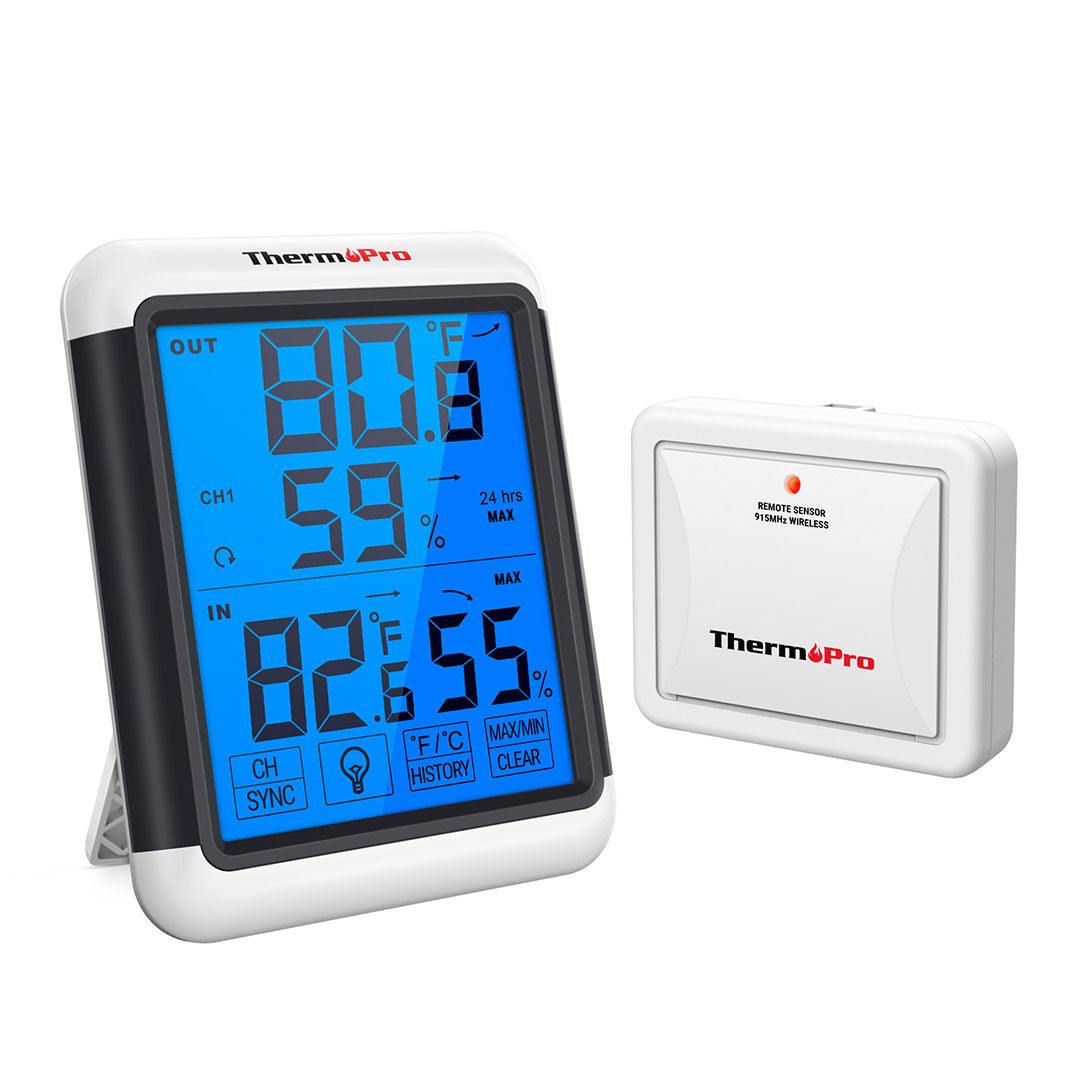
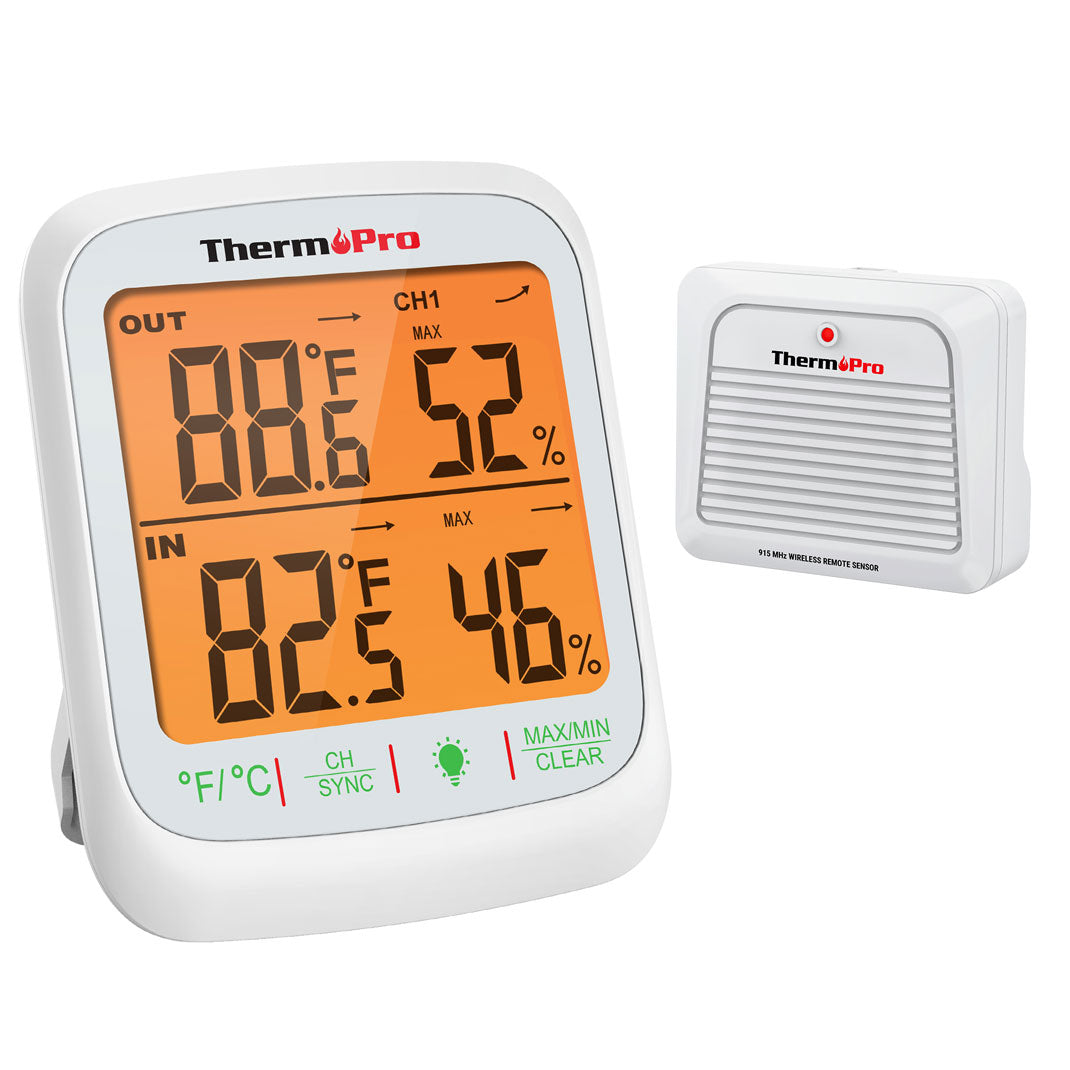
When it comes to choosing a top rated indoor outdoor thermometer, the ThermoPro TP60B Wireless Hygrometer Thermometer consistently stands out for its accuracy, reliability, and user-friendly design.
Key Features:
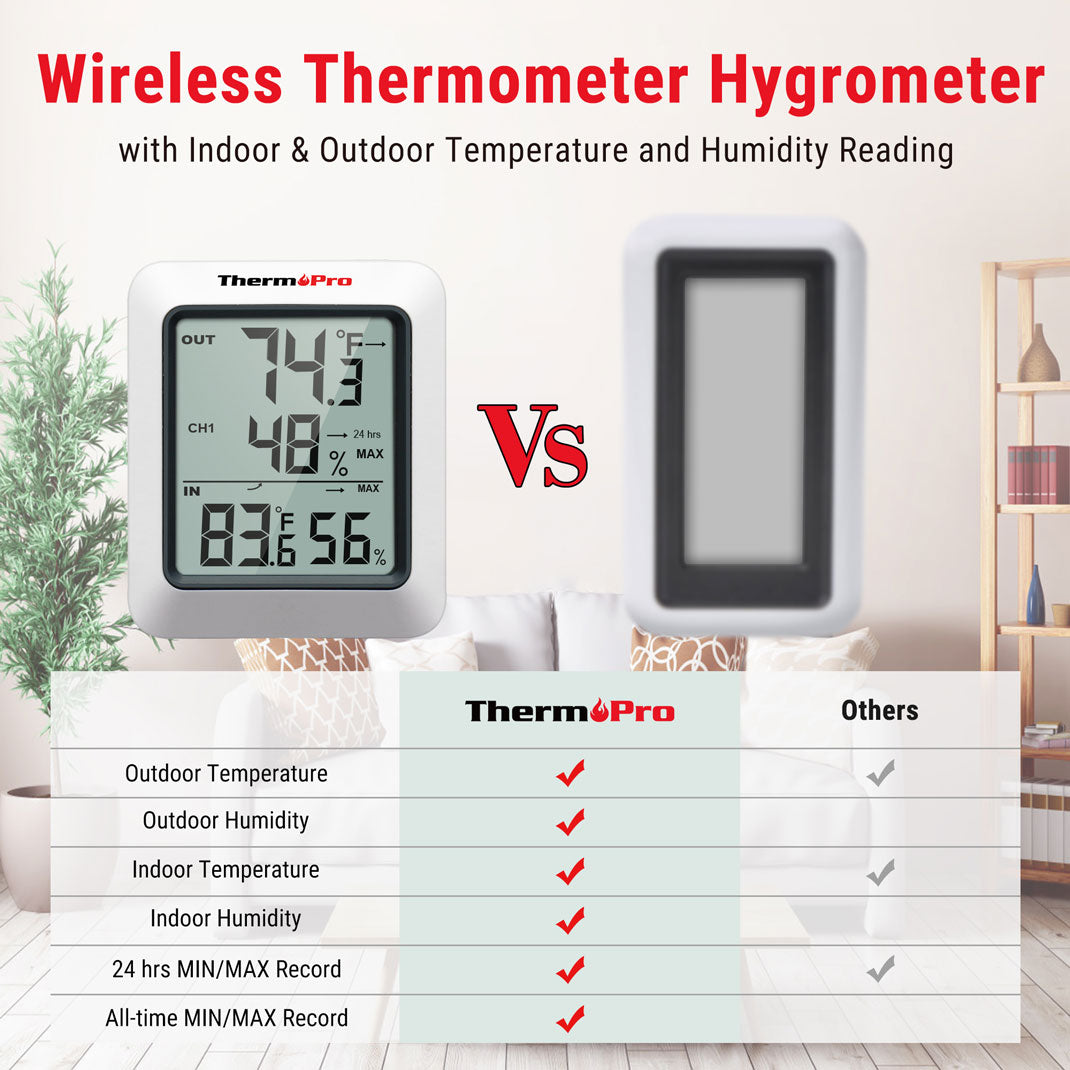
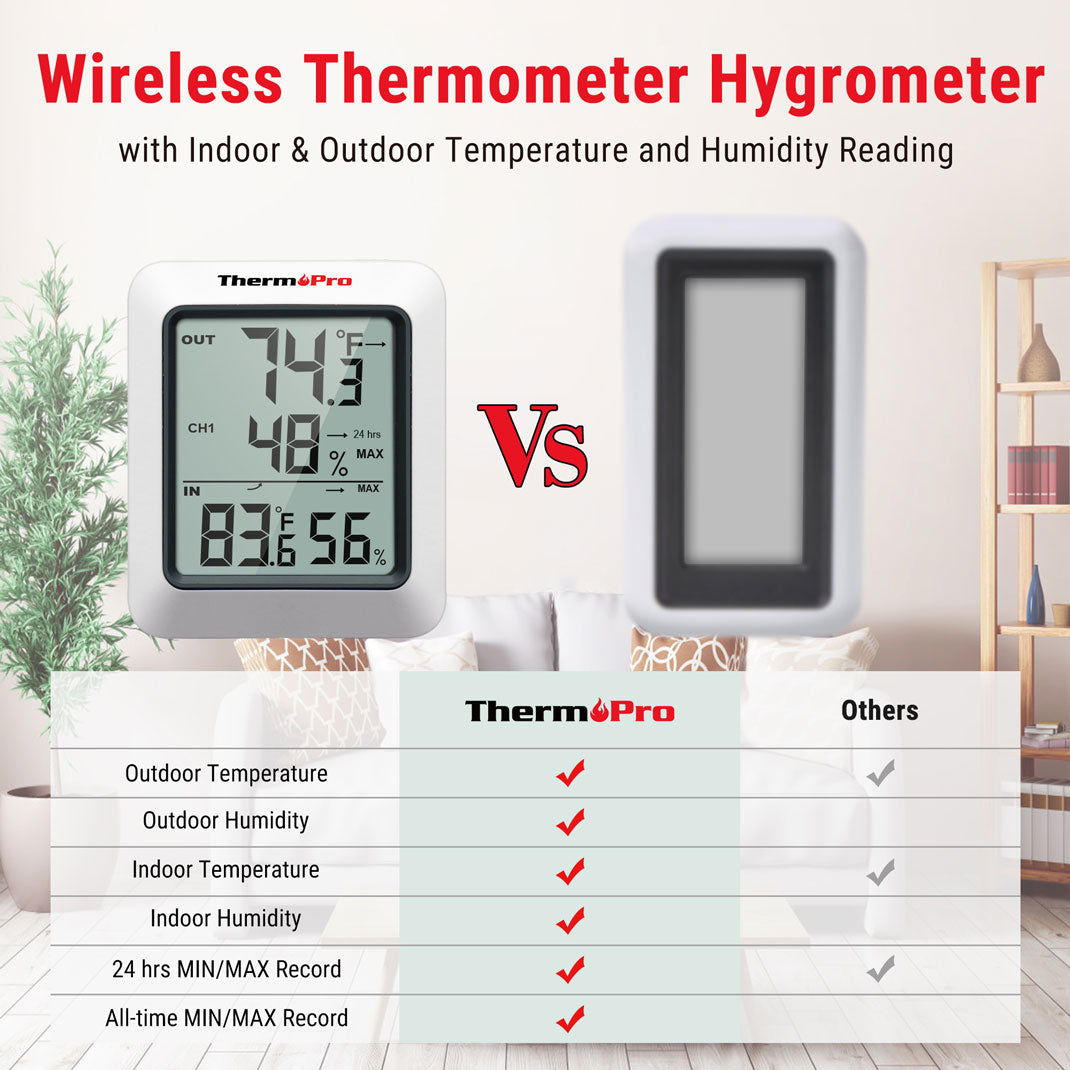
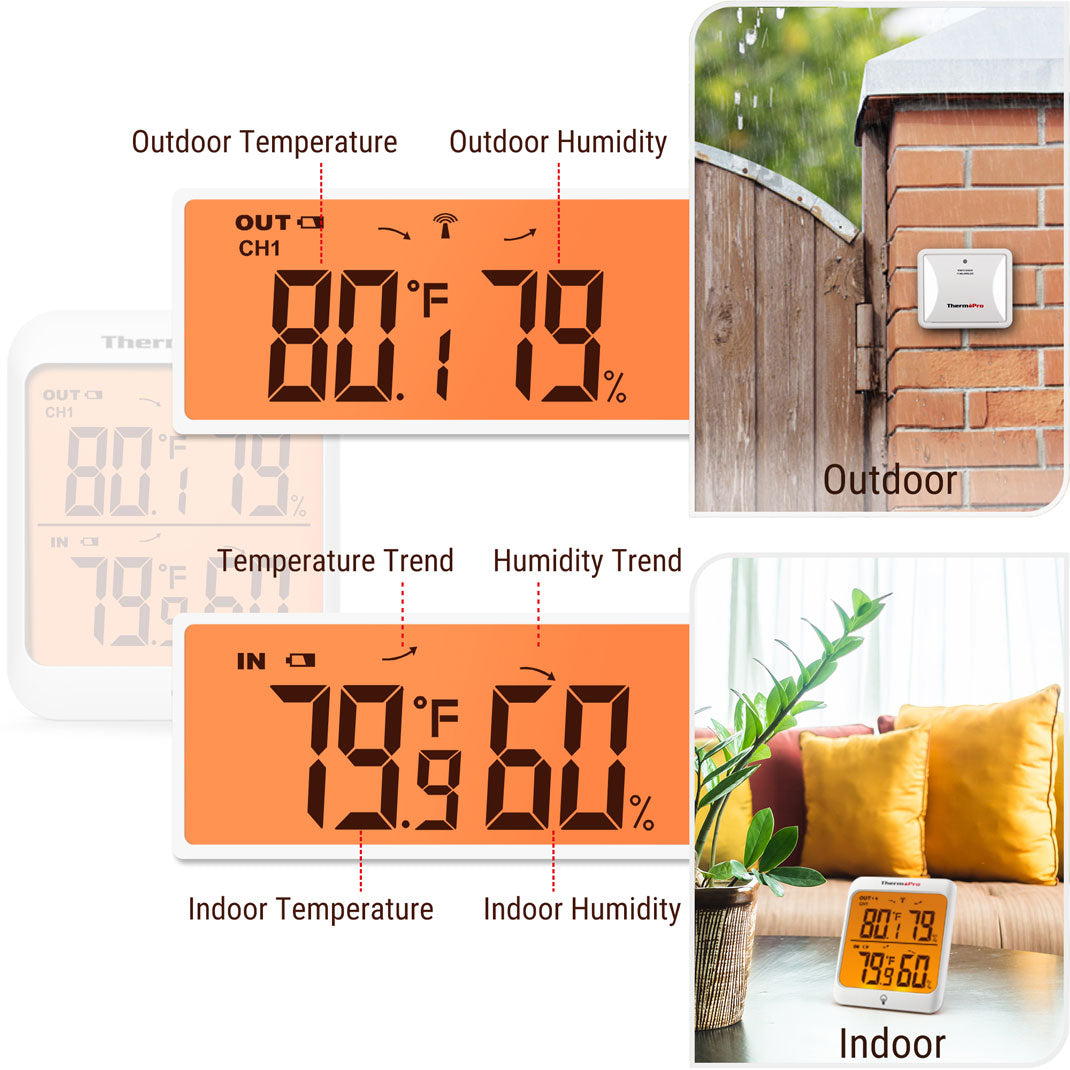
- Dual Temperature and Humidity Monitoring: The ThermoPro TP60B tracks both indoor and outdoor temperature and humidity, giving you a complete view of your environment.
- Wireless Range: It provides up to 500 feet (150m) of transmission range, ensuring stable readings even through walls.
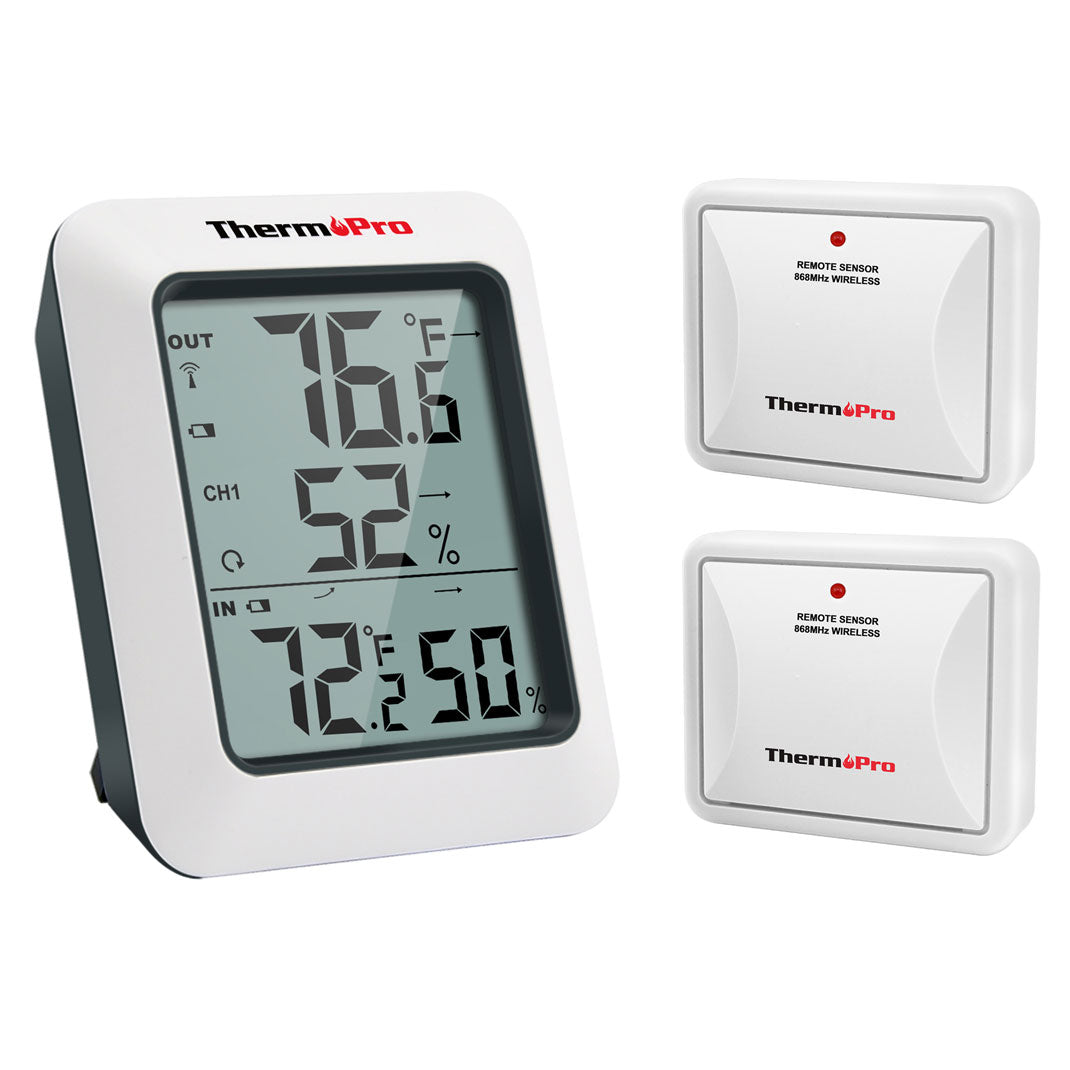
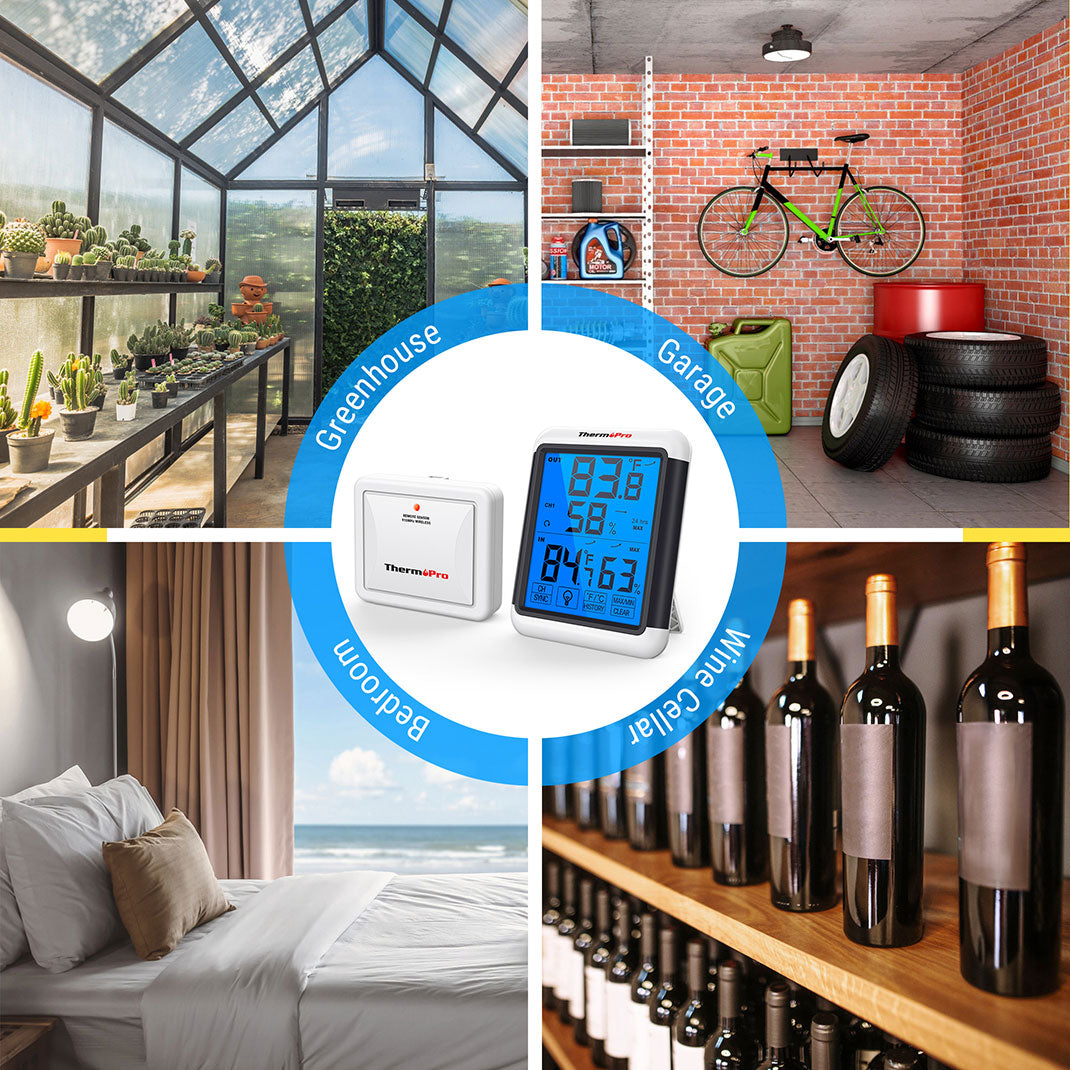
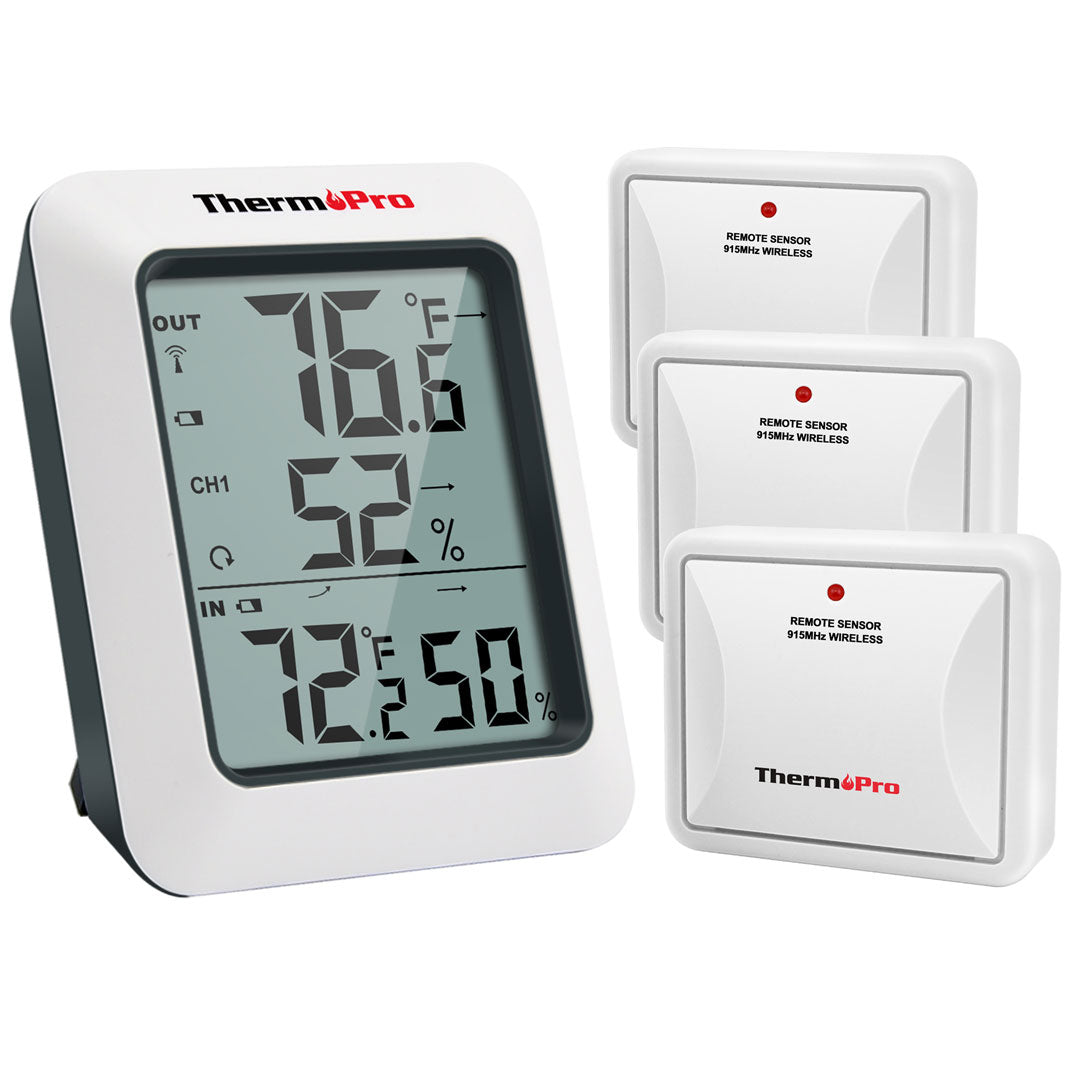
- Multiple Sensors Support: You can pair up to 3 remote sensors for multi-location monitoring, perfect for garages, greenhouses, or baby rooms.
- High Accuracy: Delivers precise readings with ±2°F for temperature and ±2–3% for humidity.
- Easy-to-Read Display: The large backlit LCD screen clearly shows temperature, humidity, and trend arrows at a glance.
- Battery Operated: Runs on standard AAA batteries, making it convenient and portable.

The ThermoPro TP60B is a best rated indoor outdoor thermometer which lets you remotely track the indoor and outdoor temperatures and humidity levels. Whether you're monitoring your living room comfort, checking the temperature in your greenhouse, or keeping an eye on your outdoor patio, this device provides reliable, real-time insights.
How to Get the Most Out of Your Indoor Outdoor Thermometer
Buying a top-rated indoor outdoor thermometer is only the first step. To ensure accurate readings and maximize its benefits, follow these practical tips:
Proper Sensor Placement
- Outdoor Sensor: Mount it in a shaded area away from direct sunlight, rain, or snow. Avoid placing it too close to walls or metal surfaces that can reflect heat.
- Indoor base station: Keep it away from vents, heaters, or windows to prevent skewed readings.
Calibrate if Needed
Some thermometers allow manual calibration to improve accuracy. Check your product manual for details.
Monitor Humidity Levels
If your model includes humidity readings (like the ThermoPro TP60B), use the data to maintain optimal indoor comfort:
- Winter: Aim for 30–50% humidity to prevent dryness.
- Summer: Keep humidity below 60% to prevent mold growth.
Use Multiple Sensors
For large homes, installing multiple sensors can help you understand how temperature and humidity vary from room to room. This data helps optimize heating and cooling systems for energy efficiency.
Check and Replace Batteries
Weak batteries can affect signal strength and accuracy. Replace them periodically, especially before winter or summer peaks.
Final Thoughts
In a country as diverse as the United States where summers can be scorching in Texas and winters freezing in Wisconsin, having an indoor outdoor thermometer is more than a convenience; it's a necessity for maintaining a healthy, comfortable, and energy-efficient home.
Whether you choose a simple analog model or a wireless indoor and outdoor thermometer with advanced features, pay attention to accuracy, range, and durability. If you want a dependable, easy-to-use solution, the ThermoPro TP60B Wireless Hygrometer Thermometer is an excellent choice. It lets you monitor both temperature and humidity indoors and outdoors in real-time, helping you create the perfect living environment year-round.
Commentaires
Vous aimerez peut-être aussi

L'humidité idéale dans votre sous-sol

Comment augmenter l'humidité dans une pièce


Produit recommandé